
Author: admin@sparksphere.org

  • Real World Leash Handling Arizona: Expert Guide

    Real World Leash Handling Arizona: Expert Guide

    Real world leash handling Arizona is more than teaching a dog to “walk nicely” on command it’s about building reliable behavior in unpredictable, high-distraction environments across Arizona’s unique landscapes. From busy suburban sidewalks to desert trails filled with wildlife scents, dogs face constant challenges that test their impulse control and leash manners. In this guide, we break down practical, field-tested strategies used by professional trainers to create calm, confident walking behavior that holds up in the real world.

    At Rob’s Dog Training, leash training is approached as a structured communication system between handler and dog, not just a set of cues. The goal is reliability under distraction, not perfection in controlled settings.

    Why Real World Leash Handling Arizona Requires a Different Approach

    Training in Arizona presents unique environmental variables that directly impact leash behavior. High temperatures, open desert terrain, strong wildlife scents, and dense urban distractions all influence a dog’s focus.

    Traditional “backyard obedience” often fails because it doesn’t account for:

    • Sudden movement triggers (lizards, rabbits, birds)
    • Extreme scent stimulation in desert environments
    • High-energy urban stimuli in cities like Phoenix or Tucson
    • Heat-related fatigue and frustration

    Real world leash handling Arizona requires dogs to learn how to think, not just respond. That distinction is what separates reactive walking from structured leash communication.

    Foundational Principles of Real World Leash Handling Arizona

    Before diving into techniques, it’s important to understand the principles that guide successful leash training in unpredictable environments.

    1. Clarity Over Repetition

    Dogs don’t need endless commands they need consistent meaning. Every leash correction, stop, or direction change must communicate clearly.

    2. Reinforcement Timing Matters

    Rewarding the exact moment of correct behavior builds faster learning than repeating commands without feedback.

    3. Environment Shapes Behavior

    A dog that walks perfectly at home may struggle in a parking lot or desert trail. Training must progress through real environments, not just controlled spaces.

    4. Engagement Before Obedience

    A dog that is mentally engaged with its handler is far less likely to pull, lunge, or fixate on distractions.

    These principles form the backbone of effective real world leash handling Arizona programs.

    Building Loose Leash Walking in High-Distraction Areas

    Loose leash walking is often misunderstood as “never pulling.” In reality, it’s about maintaining a controlled connection even when distractions appear.

    Start in low-distraction zones, then gradually increase difficulty:

    1. Quiet indoor space
    2. Backyard or driveway
    3. Neighborhood sidewalks
    4. Busy parks or streets
    5. Desert trails or high-distraction environments

    Progression is key. Skipping steps leads to inconsistent behavior.

    Practical Technique: The Pressure-Release Method

    When the leash tightens, stop movement. When the dog returns to a neutral position, resume walking. This teaches the dog that pulling removes forward motion, while calm walking restores it.

    Consistency is essential. In real world leash handling Arizona scenarios, inconsistency is the number one cause of leash regression.

    Managing Distractions in Arizona Environments

    Arizona offers one of the most distraction-rich environments for dogs. From wildlife scents to fast-moving cyclists, dogs must learn impulse control in real time.

    Common Distractions Include:

    • Wildlife movement (jackrabbits, quail, lizards)
    • Other dogs in parks or on trails
    • Delivery vehicles and scooters
    • Strong desert scent trails
    • Sudden environmental changes (wind, heat shifts)

    Training Strategy: “Look and Release”

    Instead of suppressing curiosity, teach dogs to acknowledge distractions and redirect focus back to the handler.

    Steps:

    1. Allow the dog to notice the distraction
    2. Mark the moment of disengagement
    3. Reward reorientation toward the handler
    4. Continue walking only when focus returns

    This method builds decision-making skills, which are essential for real world leash handling Arizona success.

    Leash Reactivity vs. Excitement: Understanding the Difference

    Not all pulling or lunging is aggression. Many Arizona dogs display excitement-based reactions, especially in social or high-energy environments.

    Signs of Reactivity:

    • Stiff body posture
    • Intense staring or fixation
    • Lunging with vocalization
    • Difficulty disengaging from triggers

    Signs of Excitement:

    • Loose body movement
    • Whining or playful barking
    • Quick recovery after distraction
    • Desire to approach rather than confront

    Training approaches differ depending on the cause. Misidentifying behavior can slow progress significantly.

    Heat and Environmental Stress in Arizona Training

    Arizona’s climate introduces another layer of complexity to leash training. Heat stress can reduce a dog’s ability to focus, regulate emotions, and respond to cues.

    Key Adjustments for Hot Weather:

    • Train early morning or evening
    • Use shorter, more frequent sessions
    • Prioritize shaded walking routes
    • Monitor hydration and paw sensitivity

    Fatigue often mimics disobedience. Recognizing this distinction is critical in real world leash handling Arizona practice.

    Advanced Leash Skills for Real-World Control

    Once foundational leash walking is established, advanced skills help solidify long-term reliability.

    1. Directional Changes Without Commands

    Teach your dog to mirror your movement instead of waiting for verbal instructions.

    2. Automatic Check-Ins

    Reward your dog for voluntarily looking back at you during walks.

    3. Controlled “Pause and Reset.”

    Stop randomly during walks and require calm positioning before continuing.

    4. Threshold Control

    Teach dogs to wait before exiting doors, cars, or gates to prevent impulsive pulling into high-distraction environments.

    These techniques elevate basic walking into structured communication, a hallmark of professional real world leash handling Arizona systems.

    Common Mistakes Owners Make

    Even well-intentioned handlers often struggle with consistency. Avoid these common pitfalls:

    • Allowing pulling “just this once.”
    • Overusing verbal commands without follow-through
    • Skipping training progression stages
    • Training only in low-distraction environments
    • Reacting emotionally to leash mistakes

    Dogs learn through patterns, not isolated corrections. Inconsistent handling leads to inconsistent walking.

    How Professional Training Improves Real-World Results

    Professional guidance helps accelerate progress by identifying subtle handling errors that owners often miss. Structured programs focus on timing, leash pressure, and environmental exposure sequencing.

    At Rob’s Dog Training, real-world leash behavior is developed through guided exposure, structured reinforcement, and progressive distraction training. This ensures dogs don’t just “know commands,” but reliably respond in unpredictable Arizona conditions.

    Long-Term Success: Maintaining Leash Skills

    Training does not end once loose leash walking is achieved. Maintenance is essential for long-term reliability.

    Maintenance Tips:

    • Continue exposing your dog to new environments regularly
    • Reinforce calm walking intermittently
    • Avoid letting leash manners degrade in “easy” settings
    • Revisit foundational exercises monthly

    Consistency over time is what turns trained behavior into a habit.

    Real World Leash Handling Arizona That Works

    Real world leash handling Arizona is about more than obedience; it’s about communication, clarity, and adaptability in dynamic environments. Dogs in Arizona face unique challenges that require structured training, consistent reinforcement, and gradual exposure to distractions.

    Whether navigating city sidewalks or desert trails, success comes from teaching dogs how to make good decisions under pressure. With the right approach, leash walking becomes not just manageable, but enjoyable for both dog and handler.

    For owners seeking a structured, real-world approach to leash training, professional guidance can make a measurable difference in speed, consistency, and long-term results.

     

  • Badkamer Verbouwen Zonder Stress: Van Sloop Tot Turnkey Oplevering

    Badkamer Verbouwen Zonder Stress: Van Sloop Tot Turnkey Oplevering

    Een badkamer verbouwen klinkt vaak eenvoudiger dan het in werkelijkheid is. Veel mensen denken eerst aan nieuwe tegels of een moderne douche, maar vergeten hoeveel werk er achter de schermen gebeurt. Denk aan leidingwerk, afvoer, elektriciteit, ventilatie en natuurlijk een strakke afwerking. Juist daarom kiezen steeds meer huiseigenaren voor een complete aanpak waarbij alles van begin tot eind geregeld wordt.

    Een professionele badkamerverbouwing draait tegenwoordig niet alleen meer om design. Het gaat ook om comfort, planning en kwaliteit. Wanneer één aannemer het hele traject verzorgt, verloopt het proces meestal een stuk soepeler. Dat betekent minder stress, minder miscommunicatie en vooral een badkamer die direct klaar is voor gebruik.

    Waarom Een Complete Badkamerverbouwing Slim Is

    Bij een losse verbouwing moet je vaak meerdere vakmensen regelen. Een loodgieter komt op maandag, de tegelzetter heeft pas volgende week tijd en de elektricien moet tussendoor nog ergens ingepland worden. Dat zorgt niet alleen voor vertraging, maar vaak ook voor extra kosten.

    Met een totaaloplossing heb je één aanspreekpunt voor het hele project. Van de eerste sloopwerkzaamheden tot de laatste kitrand wordt alles op elkaar afgestemd. Dat scheelt enorm veel tijd én frustratie.

    Steeds meer mensen zoeken daarom naar een oplossing zoals badkamer verbouwing inclusief montage omdat zij liever kiezen voor gemak en zekerheid in plaats van losse afspraken met verschillende partijen.

    Van Sloop Tot Oplevering

    Een complete badkamer renovatie begint meestal met het verwijderen van de oude badkamer. Denk aan oude tegels, sanitair, leidingen en soms zelfs muren of plafonds. Dit sloopwerk moet zorgvuldig gebeuren om schade aan de rest van de woning te voorkomen.

    Daarna start de technische fase. Nieuwe waterleidingen worden geplaatst, afvoeren aangepast en elektriciteit voorbereid voor verlichting, spiegels of vloerverwarming. Vooral bij oudere woningen is dit een belangrijk onderdeel van de renovatie.

    Pas daarna begint het zichtbare werk. Nieuwe tegels, een moderne inloopdouche, badkamermeubels en stijlvolle kranen geven de ruimte uiteindelijk zijn nieuwe uitstraling.

    Een ervaren aannemer zorgt ervoor dat alle fases logisch op elkaar aansluiten. Daardoor voorkom je onnodige wachttijden en fouten tijdens de verbouwing.

    Het Belang Van Goed Leidingwerk

    Veel mensen besteden vooral aandacht aan het uiterlijk van hun nieuwe badkamer. Toch zit de echte kwaliteit vaak verborgen achter de muren. Slecht aangelegd leidingwerk kan later voor lekkages, vochtproblemen of lage waterdruk zorgen.

    Daarom is een professionele aanpak essentieel bij een badkamer renovatie inclusief leidingwerk. Goede materialen en vakmanschap zorgen ervoor dat de badkamer jarenlang probleemloos blijft functioneren.

    Ook moderne badkamers stellen hogere eisen aan installaties. Regendouches, dubbele wastafels en luxe baden vragen vaak om aanpassingen aan bestaande leidingen. Een specialist weet precies waar rekening mee gehouden moet worden.

    Eén Aannemer Voor Het Hele Project

    Een groot voordeel van een totaalproject is dat je niet zelf hoeft te coördineren tussen verschillende bedrijven. Een ervaren badkameraannemer neemt die verantwoordelijkheid volledig over.

    Een goede badkamer aannemer met montage zorgt ervoor dat planning, materialen en uitvoering perfect op elkaar aansluiten. Dat geeft rust tijdens de verbouwing en voorkomt discussies over wie verantwoordelijk is voor bepaalde werkzaamheden.

    Daarnaast hebben professionele aannemers vaak toegang tot kwalitatieve materialen en moderne oplossingen waar particulieren minder snel aan denken. Denk bijvoorbeeld aan slimme opbergmogelijkheden, waterbesparende systemen of onderhoudsvriendelijke afwerkingen.

    Turnkey Oplevering Wordt Steeds Populairder

    Veel huiseigenaren kiezen tegenwoordig voor een turnkey aanpak. Dat betekent simpel gezegd dat de badkamer volledig gebruiksklaar wordt opgeleverd. Je hoeft dus zelf niets meer te regelen na afloop van de werkzaamheden.

    Bij een complete General worden alle onderdelen meegenomen: sloop, installatie, tegelwerk, montage en afwerking. Zodra het project klaar is, kun je direct genieten van je nieuwe badkamer zonder extra werkzaamheden.

    Dat is vooral aantrekkelijk voor drukke gezinnen, mensen met weinig technische kennis of huiseigenaren die simpelweg geen tijd hebben om alles zelf te organiseren.

    Een Investering In Comfort En Waarde

    Een moderne badkamer verhoogt niet alleen het wooncomfort, maar ook de waarde van een woning. Potentiële kopers kijken vaak kritisch naar badkamers en keukens. Een strak afgewerkte badkamer maakt daarom een sterke indruk tijdens bezichtigingen.

    Daarnaast zorgt een nieuwe badkamer vaak voor lagere onderhoudskosten en een efficiënter waterverbruik. Moderne installaties zijn zuiniger en duurzamer dan oudere systemen.

    Wie kiest voor kwaliteit, vakmanschap en een complete aanpak voorkomt bovendien veel problemen op lange termijn. Dat maakt een professionele badkamerrenovatie uiteindelijk een slimme investering waar je dagelijks plezier van hebt.

  • Simple Guide to HSRP Registration in Maharashtra

    Simple Guide to HSRP Registration in Maharashtra

    Vehicle owners across India are now becoming more aware of the importance of High Security Registration Plates. These number plates are designed with advanced security features that help reduce vehicle theft, improve identification, and support better traffic management. In Maharashtra, many people are searching online for fast and easy ways to complete the HSRP registration process without standing in long queues or visiting transport offices multiple times.

    If you are planning to apply for a high-security number plate, understanding the online process can save both time and effort. Today, most vehicle owners prefer using online portals because they are simple, convenient, and available anytime.

    What is an HSRP Number Plate?

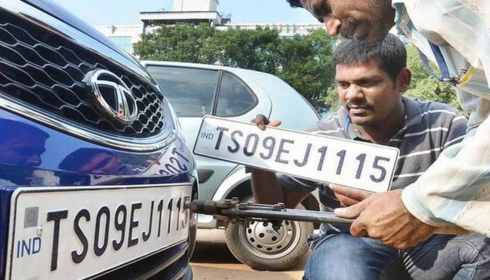
    An HSRP, or High Security Registration Plate, is a standardized vehicle number plate issued by authorized government vendors. These plates are made of aluminum and contain several security elements like a chromium hologram, laser branding, and a unique serial number.

    The Indian government introduced these plates to improve vehicle security and maintain a proper digital record of vehicles across states. Whether you own a bike, scooter, car, or commercial vehicle, installing an HSRP plate has become mandatory in many states, including Maharashtra.

    Many vehicle owners now search for book my hsrp maharashtra services online to complete the process from home in just a few steps.

    Why HSRP is Important for Vehicle Owners

    High-security number plates offer several benefits beyond just legal compliance. They help authorities identify vehicles quickly during accidents, theft investigations, or traffic violations. Since every HSRP plate carries a unique code, duplication becomes extremely difficult.

    Apart from security, these plates are more durable than traditional number plates. They resist damage caused by weather conditions and maintain visibility for a longer time. This makes them a practical long-term investment for vehicle owners.

    In Maharashtra, traffic authorities are encouraging all vehicle owners to install HSRP plates to avoid future penalties and improve road safety standards.

    How to Apply for HSRP Online

    The online process is straightforward and user-friendly. Vehicle owners need to enter basic details such as:

    • Vehicle registration number
    • Chassis number
    • Engine number
    • Mobile number
    • Vehicle type

    After entering the details, users can select a nearby fitment center and choose a preferred appointment date. Once payment is completed, a confirmation message is usually sent to the registered mobile number.

    Nowadays, many people simply search for book my hsrp portals online because the entire application process can be completed within a few minutes.

    Documents Required for HSRP Registration

    Before starting the online registration process, it is useful to keep a few documents ready. These usually include:

    • Registration Certificate (RC)
    • Valid mobile number
    • Identity proof if required
    • Vehicle details

    The exact requirements may vary slightly depending on the authorized service provider, but generally, the process remains simple and digital.

    Cost of HSRP in Maharashtra

    The cost of an HSRP plate depends on the type of vehicle. Two-wheelers usually have a lower price compared to cars and commercial vehicles. Additional charges may apply for color-coded fuel stickers or home installation services if available.

    Although some vehicle owners hesitate because of the cost, the benefits of security, durability, and legal compliance make it worthwhile.

    Common Mistakes to Avoid

    Many applicants make small errors while filling vehicle details online. Incorrect chassis numbers or registration details can delay the process. Always double-check the information before making payment.

    Another common mistake is missing the appointment date. Since many fitment centers operate on scheduled slots, arriving late may require rescheduling.

    It is also important to use only authorized portals or government-approved vendors while applying for HSRP plates.

    Final Thoughts

    The shift toward high-security number plates is an important step for safer roads and better vehicle management in India. Maharashtra vehicle owners can now complete the process quickly through online booking systems without unnecessary hassle.

    Applying early helps avoid penalties, saves time, and ensures your vehicle remains compliant with government regulations. As awareness grows, more people are choosing online HSRP booking methods because they are fast, convenient, and reliable.

    If your vehicle still uses an old number plate, this is the right time to upgrade to an HSRP plate and enjoy improved security along with peace of mind.

  • Understanding Their Popularity in the Matka Community

    final ank
    final ank

    The world of Matka has been a topic of interest for many enthusiasts across India for decades. While the game itself has evolved over time, certain terms have remained central to discussions among followers. Two such terms are madhur matka both of which are commonly searched and discussed by people looking to understand Matka trends, results, and number patterns.

    In recent years, digital platforms have made it easier for enthusiasts to access information related to Matka games, historical charts, and result updates. As a result, interest in these keywords continues to grow.

    What is Madhur Matka?

    Madhur matka is one of the most recognized names in the Matka community. It has gained popularity due to its long-standing presence and regular result announcements. Many followers track daily and weekly updates associated with Madhur Matka to analyze number patterns and trends.

    The popularity of Madhur Matka stems from the availability of charts, historical records, and result archives that help users review previous outcomes. These records are often used by enthusiasts who enjoy studying numerical sequences and understanding how results have changed over time.

    Another reason behind its popularity is the sense of community built around discussions, predictions, and result tracking. Online forums and websites frequently publish updates related to Madhur Matka, attracting a dedicated audience.

    The Importance of Final Ank

    One of the most discussed concepts in Matka-related conversations is the final ank. In simple terms, it refers to the final single digit derived from a result. Many enthusiasts consider this digit significant when analyzing charts and past outcomes.

    The final ank is often used as a reference point when reviewing previous records. People compare historical data and look for recurring patterns that may provide insights into result trends. Whether someone is a beginner or an experienced follower, understanding the final ank is considered an important aspect of Matka discussions.

    Because of its significance, many chart websites and result portals prominently display the final ank alongside other result information.

    Why Players Follow Historical Charts

    Historical charts have become an essential resource for Matka enthusiasts. These charts contain previous results and provide a structured way to analyze outcomes over different periods.

    Some common reasons why people study charts include:

    • Understanding number trends
    • Reviewing past results
    • Identifying recurring patterns
    • Comparing weekly and monthly records
    • Tracking changes in final digits

    While charts cannot predict future outcomes with certainty, they remain a popular tool among enthusiasts who enjoy statistical observation and number analysis.

    Digital Platforms and Result Accessibility

    The internet has significantly transformed how Matka information is shared. Earlier, result updates were available only through limited channels, but today users can access information through websites, mobile platforms, and online communities.

    Modern platforms provide features such as:

    • Daily result updates
    • Historical chart archives
    • Number records
    • Mobile-friendly access
    • Quick result notifications

    This increased accessibility has contributed to the continued popularity of Madhur Matka and related searches.

    Responsible Participation and Awareness

    Whenever discussing Matka-related topics, it is important to understand the legal and regulatory environment in your region. Rules regarding gaming and betting activities may vary significantly depending on local laws.

    Users should always stay informed about applicable regulations and ensure that they act responsibly. Information available online should primarily be viewed as educational or informational content rather than a guarantee of any outcome.

    Maintaining a balanced approach and understanding the risks associated with any form of wagering activity is essential.

    Conclusion

    Madhur Matka continues to attract attention due to its long history, result archives, and active community discussions. At the same time, the concept of the final ank remains a key element for enthusiasts who enjoy studying numerical trends and historical charts.

    As online access to Matka information continues to expand, more people are exploring result records, chart analysis, and number discussions than ever before. Whether you are learning about the topic for the first time or reviewing historical data, understanding Madhur Matka and the final ank provides valuable insight into one of India’s most talked-about Matka traditions.

  • CRO and SEO: How the Two Work Together — and Why Most Teams Treat Them as Separate

    CRO and SEO: How the Two Work Together — and Why Most Teams Treat Them as Separate

    Here’s a situation that plays out in organisations far more often than it should. The SEO team is optimising pages to rank. The CRO team is running tests to convert. They share the same pages, the same users, and the same commercial objectives — but they operate from different toolsets, different KPIs, and different reporting structures, and they talk to each other infrequently if at all.

    The result is that both programmes are less effective than they’d be if they were integrated. Not marginally less effective. Often substantially less effective.

    The SEO team ranks a page that has poor conversion architecture. The CRO team improves a page’s conversion rate by changing elements that affect how search engines evaluate it. Both programmes move their individual metrics while the commercial outcome stays flat or improves less than it should.

    Why the Separation Exists

    The organisational separation of SEO and CRO usually has historical explanations. SEO developed as part of marketing and content teams. CRO developed as a subset of data analytics or growth functions. The tools are different. The skill sets, while overlapping, are distinct enough that specialisation made sense. And reporting structures developed around those specialisations.

    But the technical separation is increasingly unjustifiable, given what we understand about how search engines work and what determines organic search performance.

    Google’s quality signals — the signals that, alongside traditional ranking factors, determine how a page performs organically — include engagement metrics that are direct outputs of user experience and conversion architecture. Pages that users find useful, engage with deeply, and return to produce better engagement signals than pages that users bounce from. Those signals influence organic rankings over time in ways that mean CRO and SEO are pursuing the same underlying thing: pages that genuinely serve users well.

    Where Integration Produces the Most Value

    The most significant overlap between website conversion optimization and SEO shows up in several specific areas.

    Page structure and content hierarchy. CRO best practices for content hierarchy — leading with the most important information, using clear headings, presenting key value propositions prominently — align with what SEO requires for clear content structure. A page that’s well-structured for user comprehension is also well-structured for search engine comprehension. Teams that work from the same structural principles produce pages that perform better in both disciplines.

    Page speed and core web vitals. Performance metrics — load time, interactivity delay, layout stability — are directly shared between CRO and SEO concerns. A page that loads slowly converts poorly and performs poorly in organic search. Investments in performance optimisation serve both programmes simultaneously.

    Content quality and depth. CRO research frequently surfaces user understanding gaps — content that users engage with suggests they found it useful; content they skip or bounce from suggests it wasn’t serving their needs. This content quality signal from CRO testing informs SEO content strategy, and vice versa.

    Mobile experience. Mobile users now represent the majority of search traffic for most sites, and Google uses mobile-first indexing. The mobile experience optimisations that CRO recommends to improve conversion on mobile devices directly affect how Google evaluates the page for organic ranking purposes.

    The Trust Signal Connection

    Cro services work frequently identifies trust deficit as a conversion barrier — users who are interested but not sufficiently confident to convert because the page doesn’t adequately communicate credibility.

    The trust signals that CRO identifies as conversion-improving — customer reviews, social proof, security certifications, clear policy information, expert credentials, clear contact information — are closely related to the E-E-A-T signals that Google uses to evaluate page quality.

    A CRO programme that surfaces trust deficit as a conversion barrier and implements trust signal improvements is simultaneously improving the E-E-A-T signals that support organic ranking performance. Conversely, an SEO programme that builds E-E-A-T signals for ranking purposes is improving the trust signals that support conversion.

    When teams share this understanding, the investment in trust infrastructure serves both objectives simultaneously. When they’re separate, both teams sometimes independently identify the same underlying problem and solve it with overlapping but uncoordinated efforts.

    Building the Integrated Operating Model

    The practical question for organisations that want to integrate these disciplines is how to do it without reorganising everything.

    The minimum viable integration model doesn’t require structural reorganisation. It requires a shared communication cadence and shared metrics.

    A bi-weekly or monthly joint review between SEO and CRO teams, looking at the same set of pages, surfaces the integration points organically. The SEO team shares which pages are underperforming on engagement metrics despite good rankings. The CRO team shares which pages are in active test cycles and why. Both teams flag upcoming changes that might affect the other’s programme.

    Shared commercial metrics — not “traffic” and “conversion rate” separately, but “organic revenue” and “organic cost per acquisition” — align both teams’ incentives toward the same outcome.

    When resources allow, full integration of SEO and CRO into a unified “organic growth” function with shared reporting, shared toolsets, and shared commercial metrics produces the best outcomes. But the cultural and communication integration can begin before the structural integration, and the benefits compound quickly once it does.

    The Testing Implication

    One specific technical consideration at the intersection of CRO and SEO: A/B testing and its impact on organic rankings.

    Standard A/B testing implementations serve different page variants to different users. If Googlebot receives a different variant than users, this can be flagged as cloaking — a serious quality violation. If the winning variant is significantly different from the original page that ranked, the ranking may change as the page’s content and structure shift.

    CRO and SEO teams that aren’t communicating create this risk consistently — the CRO team runs a test that changes content Google has indexed as ranking-relevant, without the SEO team’s awareness or input.

    Well-integrated teams manage this proactively. Significant content tests are reviewed for ranking risk before they run. Test implementations use split URL testing (separate URLs for variants) rather than variant injection where ranking-relevant content is at stake. Test results are evaluated for both conversion impact and ranking impact before variants are fully deployed.

    The technical overlap is manageable when the teams are communicating. It becomes a source of unexplained ranking fluctuations when they’re not.


  • Why Some Food Trucks Turn Heads (and Others Just Park There)

    Why Some Food Trucks Turn Heads (and Others Just Park There)

    There’s a certain kind of food truck you remember. Not just for the food—though that helps—but for the way it looks, the way it feels when you walk up to it. Something about it draws you in before you’ve even checked the menu.

    And then there are others. Same idea, same concept, but somehow… forgettable. You pass by without thinking twice.

    It’s not always about the cuisine or the price. More often than people realize, it comes down to presentation—how the truck introduces itself before a single word is spoken.

    First Impressions Happen Fast

    Picture this. You’re at a busy street market, maybe a weekend crowd, music playing somewhere in the background. You’re hungry, but also a bit overwhelmed. So many options.

    You don’t read every menu. You scan. You feel your way through the choices.

    That’s where visuals take over.

    A well-designed truck doesn’t just sit there—it communicates. Colors, patterns, even the way text is placed—it all sends a signal. Is this fun? Is it premium? Is it quick and casual?

    That’s the quiet strength of food truck wraps. They set the tone before a single bite is taken. And in a crowded environment, that first impression can make all the difference.

    It’s Not Just About Looking Good

    There’s a common misconception that wraps are purely aesthetic. Just decoration. But that’s only part of the story.

    A thoughtful wrap does more than look appealing—it guides attention. It helps people understand what you offer without forcing them to read too much. It creates a mood.

    For example, a taco truck might lean into bold, vibrant colors. A dessert truck might go softer, more playful. A coffee truck might keep things minimal and warm.

    These choices aren’t random. They’re intentional, even if they don’t feel like it at first glance.

    Standing Out Without Trying Too Hard

    Here’s the tricky part—standing out without overdoing it.

    It’s easy to fall into the trap of “more is better.” More colors, more text, more graphics. But in reality, too much can push people away. It becomes overwhelming, hard to process.

    Some of the most effective designs are surprisingly simple. A strong visual identity, a clear name, maybe one or two key elements that tie everything together.

    This is where specialty wraps come into play. They’re not one-size-fits-all. They’re tailored to the concept, the audience, the vibe of the brand. It’s less about following trends and more about creating something that feels… right.

    And when it feels right, people notice—even if they can’t explain why.

    The Role of Movement and Environment

    Unlike a storefront, a food truck doesn’t stay in one place. It moves. It shows up in different neighborhoods, events, and settings.

    That mobility is part of its charm—but it also adds a layer of complexity.

    A design that works in one environment might feel out of place in another. Bright neon colors might pop at a night market but feel too loud during a daytime event. Subtle tones might look elegant in a quiet street but get lost in a crowded festival.

    So the design has to be flexible. It has to hold its own in different settings, under different lighting, surrounded by different distractions.

    Not an easy task, honestly. But when it works, it really works.

    More Than Just Branding

    There’s also a practical side to all this. Wraps protect the surface of the truck. They handle wear and tear better than paint in many cases. They’re easier to update if the brand evolves.

    But beyond that, they become part of the experience.

    People don’t just eat at food trucks—they interact with them. They take photos, share them, tag them on social media. And in those moments, the design becomes part of the story.

    That’s where marketing graphics quietly do their job. They don’t push. They don’t interrupt. They simply exist in the background, reinforcing the brand every time someone snaps a picture or shares a post.

    The Human Side of Design

    What’s often overlooked is the human element behind all of this.

    Design isn’t just about tools or software. It’s about understanding people—how they see, how they feel, how they make decisions in a split second.

    It’s about knowing that someone might choose your truck not because they analyzed every option, but because something about it felt inviting.

    Maybe it reminded them of something familiar. Maybe it just stood out in a way that felt effortless.

    Those are small moments, but they matter.

    When Everything Comes Together

    When the design, the food, and the experience align, something interesting happens. The truck becomes more than just a place to eat.

    It becomes recognizable.

    People start looking for it. Recommending it. Remembering it.

    And that’s not something you can force. It builds over time, through consistent presence and thoughtful choices.

    Closing Thoughts

    At the end of the day, a food truck wrap isn’t just about aesthetics. It’s about communication—quiet, visual communication that happens before a single word is exchanged.

    It’s about creating a presence that feels natural, not forced. Memorable, but not overwhelming.

    And in a space where people are constantly choosing—often quickly, often instinctively—that kind of presence can make all the difference.

    Not by shouting the loudest, but by simply feeling right at the right moment.

  • Ducati из Японии без лишней романтизации

    Ducati из Японии
    Ducati из Япони

    С Ducati почти невозможно говорить холодно. У этой марки слишком сильный образ, слишком узнаваемый звук, слишком отчётливый характер, чтобы обсуждать её как просто ещё один мотоцикл на вторичном рынке. Для одних это техника с ярко выраженной спортивной жилкой, для других – почти эстетический объект, в котором инженерия неотделима от стиля. Но именно из-за этой ауры Ducati особенно легко идеализировать. А идеализация на вторичке почти всегда обходится дорого.


    Поэтому мотоцикл Ducati из Японии интересен прежде всего тем, что позволяет чуть отодвинуть эмоцию и вернуть в разговор факты. Японский рынок не делает итальянскую технику менее темпераментной, но создаёт более спокойную среду для её покупки. Там выше шанс встретить байк, который не успели превратить в витрину чужих амбиций, не перегрузили спорным тюнингом и не довели до состояния, когда за красивым обликом уже скрывается нервный и дорогой проект. Для Ducati это особенно важно, потому что здесь характер хорош лишь тогда, когда его поддерживает дисциплина в обслуживании.


    Почему Ducati так сильно цепляет и так же сильно наказывает за небрежность


    У Ducati есть редкое свойство. Она умеет казаться живой уже на месте, ещё до поездки. У многих моделей есть внутреннее напряжение, которое чувствуется в посадке, в пластике, в графике линий, в том, как собран мотоцикл. Это не всегда история про максимальную мощность или предельные цифры. Скорее про то, как техника воспринимается целиком. Ducati не старается быть нейтральной. Она почти всегда заявляет о своём характере сразу и без оговорок.


    Но именно из-за этого марка особенно плохо переносит равнодушие. Ducati редко прощает владельцу привычку откладывать обслуживание на потом, экономить на мелочах и надеяться, что “ещё сезон походит”. Там, где более спокойный и терпеливый байк может долго жить с компромиссами, итальянская техника быстро начинает отвечать раздражением. Поэтому хороший Ducati – это почти всегда результат не только удачной конструкции, но и нормальной прошлой жизни. Если этой прошлой жизни не было, если байк использовали эмоционально, а обслуживали небрежно, романтика заканчивается очень быстро.


    Почему японский рынок особенно уместен именно для Ducati


    Вторичный рынок Ducati в любой стране – это почти всегда рынок историй. Здесь слишком много владельцев, для которых мотоцикл становится продолжением характера, а значит, слишком велик риск встретить не просто технику, а биографию чужого темперамента. Тюнинг, выхлоп, переделки по свету, электронике, оптике, эргономике, подвеске, пластикам – для Ducati это почти норма. Проблема не в самих доработках, а в том, что за внешней эффектностью нередко скрывается очень разный уровень качества.


    Японский рынок ценен тем, что в среднем даёт более спокойный фон. Здесь легче найти мотоцикл, который прожил жизнь без бесконечного желания “сделать его ещё ярче”. А для Ducati это почти подарок. Итальянский байк сам по себе достаточно выразителен. Ему не нужно, чтобы кто-то пытался громче прокричать за него. Поэтому экземпляр, который сохранил заводскую логику и не был отдан на растерзание случайному тюнингу, почти всегда выглядит предпочтительнее того, что на фото кажется “богаче” и “злее”.


    Какие Ducati чаще всего ищут на японском рынке


    У марки сильный разброс по настроению. Одни приходят за Monster и ищут в нём тот редкий баланс между городским байком и машиной с характером. Другим ближе Panigale, где важны уже совсем иные вещи – точность, пластика, геометрия, история эксплуатации. Третьи смотрят в сторону Multistrada, потому что хотят получить итальянский темперамент в более дорожном и дальнем формате. Есть ещё Scrambler, где Ducati показывает себя с неожиданно лёгкой и дружелюбной стороны, но даже там сохраняется тот самый внутренний акцент, из-за которого марку не спутать ни с кем.


    На японском рынке в этом смысле удобно то, что можно искать именно нужное состояние и нужную интонацию модели, а не просто хватать первое появившееся предложение. Для Ducati это критично. У одной и той же линейки могут быть совершенно разные судьбы. Один мотоцикл жил аккуратно и обслуживался как положено. Другой провёл годы в режиме внешнего блеска и внутренней спешки. Формально это одна модель, по сути – две совершенно разные истории.


    Где у Ducati настоящая сила


    Главная сила Ducati не в том, что она “быстрая” или “красивая”, хотя и то и другое нередко верно. Её сила в концентрации ощущений. Даже на обычной дороге байк этой марки часто даёт пилоту более плотную связь с техникой, чем многие конкуренты. Здесь меньше безразличия. Реакции, звук, работа подвески, тормозная система, посадка – всё складывается в очень собранное и чувственное ощущение езды. Для человека, который действительно любит мотоциклы, а не просто пользуется ими, это огромный аргумент.


    Но именно эта плотность ощущений означает и повышенные требования к состоянию. Ducati плохо скрывает усталость. Если у байка проблемы, он редко позволяет о них забыть. Это может быть грубость в отклике, странности по коробке, нервность в передней части, неубедительная работа тормозов, раздражающая мелочь в электронике. Для марки, которая должна радовать своей цельностью, такие вещи особенно болезненны. Поэтому искать Ducati нужно не по принципу “лишь бы итальянец”, а по принципу “только живой и убедительный экземпляр”.


    Почему Ducati – не только образ


    У этой марки сильнейший риск спутать собственную мечту с качеством конкретного мотоцикла. Ducati очень красива как идея. Человек может долго хотеть именно эту технику, читать про неё, смотреть ролики, представлять себя на ней, и в какой-то момент желание настолько вырастает, что начинает подменять собой проверку. Именно здесь и случаются самые неприятные ошибки. Владелец покупает не живой байк, а право наконец-то сказать себе, что он стал владельцем Ducati. Всё остальное отступает на второй план. Потом начинается болезненное возвращение в реальность.


    Чтобы этого не происходило, с Ducati полезно быть даже строже, чем с более “приземлёнными” марками. Здесь нельзя давать скидку на красивый бак, на нужный звук, на “редкий шанс”. Нужно смотреть на то, насколько мотоцикл правдоподобен во всём. Совпадает ли его состояние с заявленным пробегом. Нет ли ощущения, что перед вами байк, который долго приводили в чувство исключительно снаружи. Не слишком ли много в нём чужих решений. Не несёт ли он на себе отпечаток владельца, который любил картинку сильнее, чем саму технику.


    Что особенно важно при выборе Ducati


    С Ducati полезно начинать с вопроса не “насколько я её хочу”, а “готов ли я к её логике”. Если нужен городской байк на каждый день с минимальными требованиями к вниманию, не всякая Ducati будет удачным решением. Если хочется техники, которая даёт плотную отдачу и делает каждую поездку более значимой, тогда разговор другой. Эта марка требует совпадения с владельцем. Она не любит случайных людей. И если выбор сделан точно, отклик оказывается очень сильным. Если нет, байк быстро начинает утомлять именно тем, за что сначала казался привлекательным.


    Именно поэтому японский рынок в случае с Ducati так полезен. Он даёт время и пространство на поиск совпадения. Не просто красивой модели, а мотоцикла, который подходит вам по задачам, по опыту, по отношению к обслуживанию, по готовности мириться с особенностями марки. Когда это совпадение найдено, Ducati становится не просто ярким эпизодом, а очень глубоким мотоциклом. Когда нет, она легко превращается в дорогую и эмоционально утомительную ошибку.


    Почему хорошая Ducati особенно ценится на длинной дистанции


    Есть байки, которые лучше всего работают на первом впечатлении. Ducati, вопреки распространённому мнению, ценна не только этим. Если экземпляр действительно хороший, если он выбран осознанно и обслуживается как положено, через сезон-другой он может нравиться даже сильнее, чем в первые недели. Уходит нервная новизна, остаётся точное понимание, за что именно вы платите. За собранность. За контакт. За то, как мотоцикл не даёт ехать спустя рукава. За ощущение, что техника требует от вас не жертвы, а включённости.


    Это качество трудно объяснить человеку, который никогда не жил с подобным байком. Но именно оно и отделяет Ducati как предмет желания от Ducati как удачную покупку. Хороший итальянский мотоцикл не просто украшает гараж. Он становится частью того, как вы чувствуете дорогу и себя на ней. И в таком формате японский рынок даёт главное – шанс найти технику, которая к этому действительно готова, а не только выглядит так на фото.


    На чем остановиться


    Если убрать весь шум, вокруг Ducati останется простая правда. Это не марка для равнодушного выбора и не техника, которую стоит брать “на сдачу к мечте”. Она требует точности и честности. С собой, с ожиданиями, с проверкой, с расчётом. Японский рынок помогает именно в этом. Он не делает Ducati проще, но делает путь к хорошему экземпляру более реалистичным.


    Поэтому Ducati из Японии – это не экзотическая прихоть и не попытка купить красивую легенду подешевле. Это способ найти итальянский характер там, где вероятность встретить живую технику выше, а уровень хаоса – ниже. Для марки, которая не терпит небрежности, это, пожалуй, одна из самых разумных точек входа.


  • When Your Home Finally Feels Right: The Overlooked Details Behind HVAC Comfort

    When Your Home Finally Feels Right: The Overlooked Details Behind HVAC Comfort

    There’s a certain moment—you’ve probably felt it—when your home just clicks. The temperature feels steady, the air isn’t heavy or dry, and you’re not constantly fiddling with the thermostat like it owes you something. It’s not dramatic, just… right.

    And oddly enough, that feeling usually comes down to a bunch of small things working together quietly in the background. HVAC systems are like that. When they’re doing their job well, they almost disappear. But when something’s even slightly off, you notice it in ways you can’t quite explain.

    Why the Small Components Matter More Than You Think

    It’s easy to assume that if your system turns on, everything must be fine. But HVAC systems are a bit more layered than that. They’re made up of multiple parts, each playing its own role—and when one starts to wear out, it can throw everything slightly out of sync.

    That’s where air handler parts replacement becomes more important than most homeowners realize. The air handler is responsible for circulating air throughout your space, and inside it are components like blowers, coils, and filters that need to function properly for the system to perform well.

    A worn-out blower motor, for example, might still run—but not efficiently. You’ll get weaker airflow, uneven temperatures, and a system that works harder than it should. Over time, that strain can lead to bigger issues.

    Replacing these parts at the right time isn’t about over-maintaining your system. It’s about keeping everything balanced so you’re not dealing with small frustrations that slowly pile up.

    The Quiet Goal: Making Systems Work Smarter, Not Harder

    There’s a bit of a misconception that a powerful HVAC system automatically means better comfort. But that’s not always the case. Sometimes, it’s not about power—it’s about how well everything is working together.

    Achieving efficient system operation is less about turning things up and more about fine-tuning. It’s about making sure airflow is consistent, components are clean, and the system isn’t overcompensating for hidden issues like leaks or blockages.

    I’ve seen homes where the AC runs almost constantly, yet the space never quite cools down evenly. And then, with a few adjustments—cleaning coils, sealing ducts, or calibrating the system—the difference is immediate.

    It’s a reminder that efficiency isn’t just about saving energy (though that’s a nice bonus). It’s about creating a home environment that feels steady and predictable, without the system constantly playing catch-up.

    When Expertise Makes All the Difference

    Let’s be honest—most of us don’t really understand the inner workings of HVAC systems. And that’s okay. You shouldn’t have to.

    But that’s exactly why working with professional technicians matters. Not just someone who can fix what’s broken, but someone who can explain what’s happening in a way that actually makes sense.

    A good technician doesn’t rush through the job. They take a moment to observe, to ask questions, to understand how your system has been behaving. Sometimes, what seems like a major issue turns out to be something surprisingly simple. Other times, a small symptom points to a deeper problem.

    And that kind of insight? It’s what prevents repeat issues. It’s what turns a quick fix into a lasting solution.

    There’s also a level of trust involved. You’re relying on someone to handle a system that directly affects your comfort, your energy bills, even your day-to-day routine. That’s not something to take lightly.

    The Things We Tend to Ignore (Until We Can’t)

    It’s funny how we treat HVAC problems. If something stops working completely, we act fast. But if it’s just “not quite right,” we tend to let it slide.

    Maybe the airflow is weaker than usual. Maybe one room is always a bit warmer. Maybe there’s a faint noise you’ve started to tune out.

    These things don’t feel urgent. But they’re often early signs—little hints that your system needs attention.

    Ignoring them doesn’t make them go away. It just gives them time to grow into something bigger, something harder (and more expensive) to fix.

    And honestly, it’s rarely worth the wait. A quick check-up can save you from a much bigger headache later.

    Comfort Isn’t a One-Time Setup

    One of the biggest misconceptions about HVAC systems is that once they’re installed, the job is done. Set the temperature, forget about it, and everything should stay perfect.

    But real comfort doesn’t work that way. It shifts with the seasons, with how you use your space, even with changes in your home over time.

    Maybe you’ve added new furniture that affects airflow. Maybe insulation has settled. Maybe the system itself is just aging.

    These changes are subtle, but they matter. And staying comfortable means adjusting, maintaining, and occasionally upgrading parts of your system to keep everything running smoothly.

    A Final Thought: Comfort Is in the Details

    At the end of the day, comfort isn’t something you notice when it’s working—it’s something you notice when it’s not.

    It’s the difference between constantly adjusting your thermostat and forgetting it even exists. Between rooms that feel inconsistent and a home that feels balanced.

    And more often than not, that difference comes down to the details. The condition of your components. The efficiency of your system. The expertise of the people maintaining it.

    When all of those pieces come together, something interesting happens.

    Your HVAC system fades into the background, quietly doing its job. And you get to enjoy your space without thinking twice about it.

    Which, if you think about it, is exactly how it should be.

  • Why Your Water Feels Different Than It Used To (And What It Might Mean for Your Home)

    Why Your Water Feels Different Than It Used To (And What It Might Mean for Your Home)

    There’s a certain rhythm to everyday life—turn on the tap, fill a glass, rinse, wash, repeat. It’s all so automatic that we rarely stop to think about the water itself.

    Until something feels off.

    Maybe your shower doesn’t feel as refreshing as it used to. Maybe your dishes come out of the dishwasher looking a little dull, or your kettle keeps collecting that stubborn white residue no matter how often you clean it.

    It’s subtle. Easy to brush aside at first.

    But those little changes? They usually point to something happening behind the scenes.

    When Water Stops Feeling “Neutral”

    Good water has a way of disappearing into the background. You don’t notice it because there’s nothing to notice.

    But when it starts behaving differently—when it feels heavier, leaves marks, or just doesn’t rinse the way you expect—it becomes hard to ignore.

    This is often where water hardness effects come into play.

    Hard water contains higher levels of minerals like calcium and magnesium. On paper, that might not sound like a big deal. But in practice, it changes how water interacts with everything—from your skin to your appliances.

    Soap doesn’t lather as easily. Hair can feel rough. Even something as simple as washing your hands might feel slightly different.

    It’s not dramatic, but it’s noticeable.

    The Silent Build-Up You Don’t See Right Away

    One of the more frustrating aspects of hard water is what it leaves behind.

    Over time, minerals begin to accumulate on surfaces—inside pipes, on fixtures, within appliances. It’s not something you notice overnight, but gradually, it builds up.

    That’s where scale buildup prevention becomes important.

    Because once that buildup starts, it doesn’t just affect appearance—it affects performance.

    Your water heater may need to work harder. Your dishwasher might not clean as efficiently. Even your plumbing can feel the strain over time.

    Preventing scale isn’t just about keeping things looking clean—it’s about keeping everything running smoothly.

    When Water Doesn’t Look Quite Right

    Sometimes, the issue isn’t how water feels—it’s how it looks.

    You might notice a slight cloudiness when you fill a glass, or tiny particles that seem to float around before settling. It’s not always alarming, but it’s enough to make you wonder.

    These kinds of water clarity issues can be caused by a range of factors—sediment, air bubbles, or even mineral content.

    In many cases, it’s harmless. But it’s still worth understanding what’s behind it.

    Because clear water should feel… well, clear.

    And when it doesn’t, it’s natural to have questions.

    The Everyday Impact You Might Not Connect

    What’s interesting about water quality is how it affects things you wouldn’t immediately link to it.

    Your clothes, for instance. Hard water can make fabrics feel stiff, even after a good wash. Colors might fade faster. Towels lose that soft, fluffy feel.

    Or your kitchen routines—your coffee might taste slightly different, your glassware might never look completely spotless.

    These aren’t major problems, but they add up. And over time, they can become a quiet source of frustration.

    Why It’s Easy to Overlook

    Part of the reason water issues go unnoticed is because they develop gradually.

    There’s no sudden change, no clear moment where everything shifts. It’s more like a slow drift away from what you’re used to.

    And because of that, it’s easy to adapt without realizing it.

    You clean a little more often. You use a bit more detergent. You stop expecting things to feel quite as good as they once did.

    But that doesn’t mean it has to stay that way.

    Understanding Before Fixing

    If you’ve been noticing changes in your water, the first step isn’t necessarily installing a solution—it’s understanding what’s happening.

    Testing your water can reveal a lot. Mineral levels, sediment presence, overall composition—it all paints a clearer picture.

    And once you have that information, you can make decisions that actually address the root cause.

    Because not all water issues are the same, and not all solutions are one-size-fits-all.

    Small Adjustments, Noticeable Results

    One of the most satisfying things about improving water quality is how quickly you start to notice the difference.

    Your showers feel smoother. Your dishes come out cleaner. Your laundry feels softer.

    It’s not a dramatic transformation—it’s a series of small improvements that make everyday tasks feel easier.

    And those small changes? They tend to stick.

    A Different Way of Looking at Water

    We often think of water as something basic, almost invisible in its importance.

    But when you take a closer look, it’s clear how much it influences your daily life.

    It’s not just about hydration—it’s about comfort, efficiency, and even the longevity of your home’s systems.

    Improving your water isn’t about overthinking things. It’s about paying attention to something that quietly supports everything else.

    Final Thoughts

    If your water feels different—heavier, cloudier, less effective—it’s worth taking that seriously.

    Not in a worrying way, but in a curious one.

    Because those small changes are often the first signs that something could be improved.

    Start by understanding what’s going on. Explore your options. Take your time.

    Because when your water improves, it’s not just one part of your home that benefits—it’s everything.

    And sometimes, the smallest upgrades end up making the biggest difference.

  • How Modern Surgery Is Becoming Less Intimidating—and More Human

    How Modern Surgery Is Becoming Less Intimidating—and More Human

    There’s a certain weight that comes with the word surgery. Even today, it can trigger a mix of worry, curiosity, and a hundred unanswered questions. What will it feel like? How long will recovery take? Will everything go as planned?

    But if you look closely at how surgical care has evolved, you’ll notice something important. It’s not just getting more advanced—it’s becoming more thoughtful. Less about the procedure itself, and more about the person going through it.

    And that shift, quiet as it is, is changing everything.

    The Role of Technology (Without Losing the Human Touch)

    We often hear about new innovations in medicine, but it’s easy to forget what they actually mean for patients. It’s not just about impressive machines or complex systems—it’s about improving outcomes in ways people can feel.

    That’s where advanced surgical technology comes in. It’s not just a buzzword. It reflects tools and techniques that allow surgeons to operate with greater precision, smaller incisions, and more control than ever before.

    Think of it as refinement rather than reinvention.

    Procedures that once required large openings can now be performed with minimal disruption. Imaging systems provide clearer views. Instruments are designed to move with accuracy that reduces strain on surrounding tissue.

    And for patients, that often translates into shorter recovery times, less discomfort, and a smoother overall experience.

    But here’s the important part—technology doesn’t replace the surgeon. It supports them. It enhances skill, rather than substituting it.

    Care That Feels Personal, Not Clinical

    There was a time when healthcare felt… distant. Efficient, yes, but not always personal. You followed instructions, attended appointments, and hoped everything went according to plan.

    Now, there’s a stronger emphasis on patient-focused care, and it shows in subtle but meaningful ways.

    Doctors take more time to explain procedures. Patients are encouraged to ask questions, to understand their options, to be part of the decision-making process. Recovery plans are tailored, not standardized.

    It’s not just about treating a condition—it’s about supporting a person.

    And that shift changes how people approach surgery. It makes the experience feel less like something happening to you, and more like something you’re actively navigating.

    When Every Second Matters

    Of course, not all surgical care is planned. Some situations are urgent, unpredictable, and intense.

    This is where trauma and critical care plays a vital role. These teams operate in high-pressure environments, where decisions need to be made quickly and accurately.

    But even here, the same evolution is happening.

    Advancements in monitoring, faster diagnostics, and improved coordination between teams have made a significant difference. Patients receive care more quickly, and with greater precision, even in the most critical situations.

    And while the setting might feel overwhelming, the goal remains the same—stabilize, treat, and support.

    Recovery Isn’t What It Used to Be

    If you talk to someone who had surgery years ago, their experience might sound very different from what patients describe today.

    Recovery used to be longer, often more uncertain. Now, it’s more structured.

    Pain management has improved. Rehabilitation plans are clearer. Patients are encouraged to move, gradually but confidently, rather than remain inactive for extended periods.

    And perhaps most importantly, expectations are better aligned. People know what to expect, what’s normal, and when to seek help.

    It’s not about rushing recovery—it’s about guiding it.

    The Balance Between Skill and Support

    What stands out most in modern surgical care is the balance.

    On one side, you have highly trained professionals using advanced tools to perform complex procedures. On the other, you have a system that’s increasingly focused on comfort, communication, and emotional support.

    It’s not one or the other—it’s both.

    And that balance is what makes the experience feel different.

    You’re not just treated—you’re guided.

    Making Decisions Without Feeling Overwhelmed

    With more options available, decision-making can feel a bit daunting. Different techniques, different approaches, different recommendations—it’s a lot to take in.

    But it also means you have choices.

    You can ask questions. Seek second opinions. Understand why one approach might be better suited to your situation than another.

    And that’s empowering.

    Because when you understand your options, you’re not just following a path—you’re choosing it.

    The Human Side Still Matters Most

    For all the advancements in technology and technique, one thing hasn’t changed: the importance of human connection.

    The way a doctor explains a procedure. The reassurance you get before going into surgery. The follow-up conversations that help you understand your recovery.

    These moments matter.

    They don’t show up in statistics or reports, but they shape how you experience the entire process.

    A Quiet Shift in Perspective

    What’s interesting is how this evolution is changing the way people think about surgery.

    It’s still serious, of course. It always will be. But it’s no longer something that feels as distant or intimidating as it once did.

    It’s becoming more approachable. More understandable. More aligned with the needs of the patient.

    And that shift, while subtle, is powerful.

    Final Thoughts

    Surgery hasn’t become easy—but it has become more thoughtful.

    With better tools, more personalized care, and a stronger focus on the patient experience, the journey feels less overwhelming and more manageable.

    And for anyone facing that journey, that difference matters.

    Not in a dramatic, life-changing moment—but in the quiet confidence that you’re being cared for in a way that truly puts you first.