Author: admin@sparksphere.org

  • Conquer the Himalayas: Exploring the Everest Base Camp Trek and Beyond

    Conquer the Himalayas: Exploring the Everest Base Camp Trek and Beyond

    Picture waking up to the snow capped Himalayas reaching to the sky. The silence is louder than words. Being a dream trip that hundreds of people do every year makes the Everest Base Camp Trek so special. Your trip is a life-changing event that combines cerebral and physical strength with spiritual fulfillment. As you approach the foot of the world’s tallest peak, a new story begins. The trek was difficult yet gorgeous, making it unforgettable.

    Why the Everest Base Camp Trek has an endless appeal

    The Everest Base Camp Trek symbolizes confidence, optimism, and discovery. Travelers may see Sherpa communities, Buddhist temples, and stunning glaciers. Trails through beautiful woods and high altitudes are other options. It has beautiful vistas and a thriving culture. The thrill of trekking famous mountaineers’ paths is unmatched. Reaching base camp is a big deal even if you don’t plan to climb the summit. Any willing listener will hear mountain bravery stories.

    Getting ready for a once-in-a-lifetime high-altitude adventure

    You must prepare before climbing at such high altitudes. Altitude sickness, bad weather, and difficult terrain are real possibilities. This needs physical fitness, proper gear and mental preparation. Slow movement and acclimatization help the body adjust. Time is also important; spring and fall are the best months for hiking. Every challenge along the way enhances the experience, turning everyday moments into lifelong memories. With the correct mentality and help, the travel becomes as important as the objective.

    After base camp, climb an island

    After reaching Everest’s foot, some want more. Next, they should ascend Island Peak. Island Peak, at 6,189 meters, is great for trekking and demanding climbing. It’s perfect for beginners who wish to explore mountaineering without the risks of higher summits. The climb takes place in Khumbu’s same area and features glacier hikes, rope work, and ice axes to give you a complete alpine experience. Many climb this mountain to reach greater Himalayan goals and enjoy the stunning views.

    Island Peak climbing is unforgettable

    This Island Peak path is unmatched, with spectacular hiking trails and a difficult approach to the top at a considerable height. People motivated by the mountains will recognize the EBC path at the beginning of Island Peak Climbing. This will keep them excited throughout. Its stunning views near Everest and Lhotse motivate action. The latter part is difficult yet rewarding. Island Peak is about pushing yourself beyond your boundaries, not just reaching the summit. It is a life-changing accomplishment for many.

    The Right Way and Reliable Support

    To accomplish the Gokyo Cho la pass Trek, or climb Island Peak, you need good logistics and guidance. To have a successful trip, emphasize safety, timeliness, adjusting to the new surroundings, and getting help. Despite their beauty, the Himalayas need respect. Experienced climbers know how important good leaders and well-planned tactics are. At high heights, weather and terrain may change quickly, making professional help important. Taking this issue seriously increases the chance of a pleasant and gratifying mountain trip.

    Travel that transcends moments of passage

    EBC Trek and Island Peak Climbing test your physical strength and bring forth your deeper self. Many leave with a stronger sense of purpose, a new perspective on the world, and lifelong stories. Entering the building should be the priority, not reaching a map point. These paths and summits help people grow, gain boldness, and connect to a holy part of the land. Each step is accompanied by old stillness, which imparts things modern people forget.

    Conclusion

    Besides climbing higher elevations, Island Peak Climbing and the EBC Trek help people grow personally. Traveling is about more than simply distance; it’s about how you feel and what you accomplish. The trip is difficult, but the rewards are great. To achieve these aims, work with trusted local businesses like missionsummittreks.com for planning, logistics, and support. Life improves in the Himalayas, where every ascent starts with a single step.

  • The Global Rise of Micropayments by 2025 and ZeroPayBank’s Opportunity to Lead

    The Global Rise of Micropayments by 2025 and ZeroPayBank’s Opportunity to Lead

    1. Understanding the Shift Toward Micropayments

    As digital lifestyles evolve, so do our spending habits. One of the most significant financial trends heading into 2025 is the surge in micropayment demand—small, often seamless transactions used to buy digital goods, in-app features, and subscription access. These aren’t just cents anymore—they’re the future of frictionless consumer interaction.

    Micropayment (소액결제) refers to low-value financial transactions typically below $10, often used in gaming, online reading, streaming, and mobile services.

    Why is this trend accelerating now? Here’s what’s fueling the shift:

    • Increased consumption of mobile and digital services
    • The rise of decentralized and cashless economies
    • The emergence of platforms like ZeroPayBank that simplify financial microflows

    In this context, 결제금액 환전 becomes more than a convenience—it becomes a competitive edge, especially for global players aiming to serve diverse, fast-paced markets.


    2. Strategic Trends Fueling Micropayment Growth

    To understand how ZeroPayBank can expand globally, we need to explore the systemic forces reshaping the micropayment ecosystem:

    2.1 Mobile-First Commerce

    With over 6.8 billion smartphone users globally, digital purchases are now just a swipe away. This shift towards mobile-first behavior makes quick, low-value transactions more relevant than ever.

    2.2 Creator Economy Boom

    As platforms like YouTube, Substack, and Patreon thrive, more users are willing to pay small fees to access exclusive content—fueling micropayment models.

    2.3 Financial Inclusion through Technology

    Micropayments lower entry barriers, especially in developing regions where access to banking is limited. Services like ZeroPayBank enable even those without credit cards to participate in the digital economy.


    3. How ZeroPayBank Can Lead Global Expansion

    ZeroPayBank isn’t just another fintech brand—it positions itself as a micropayment-native infrastructure focused on seamless, secure, and rapid transactions. Here’s how it can scale globally:

    3.1 Platform Localization

    Adapt to local regulations, currency systems, and cultural payment preferences in target countries like Indonesia, India, Vietnam, and parts of Latin America.

    3.2 Partnering with Superapps

    By integrating with messenger-based superapps (e.g., LINE in Japan, WeChat in China), ZeroPayBank can offer in-app payment services that cater to high-frequency users.

    3.3 Open API Strategy

    Allow third-party fintech apps, developers, and merchants to embed ZeroPayBank’s payment engine into their own services.


    4. Step-by-Step Guide for Global Scalability

    StepAction ItemDescription
    1Market SelectionPrioritize countries with growing mobile usage and underbanked users
    2Regulatory CompliancePartner with local authorities to ensure safe and legal operations
    3Currency & Language IntegrationSupport local currencies and offer multi-language UIs
    4Risk ManagementIntroduce real-time fraud detection and user behavior analytics
    5Marketing LocalizationUse region-specific promotions, influencers, and trust campaigns

    5. Advantages of Embracing the Micropayment Boom

    1. Scalability: Each transaction may be small, but the volume is massive.
    2. User Retention: Low-friction payments increase app engagement and stickiness.
    3. Revenue Diversification: Even content creators and small merchants can profit.
    4. Agility: Micropayment systems are faster to deploy than traditional banking tech.

    6. Potential Drawbacks and Risks

    1. Fraud Exposure: Higher transaction volumes can lead to vulnerabilities without robust security.
    2. Regulatory Complexities: Global expansion brings varied legal frameworks.
    3. User Trust: Skepticism about new payment platforms can slow adoption.
    4. Infrastructure Costs: Maintaining real-time processing and high uptime isn’t cheap.

    7. Frequently Asked Questions (FAQ)

    Q1. Why are micropayments so important for the global economy in 2025?
    Because they allow inclusive participation in digital commerce without requiring large upfront spending.

    Q2. How can users trust platforms like ZeroPayBank?
    By using secure authentication, open audits, and fast customer resolution systems.

    Q3. What industries benefit most from micropayments?
    Media, education, mobile gaming, fintech apps, and freelance marketplaces.


    8. Smart Strategies to Win in the Global Micropayment Race

    1. Tokenized Authentication: Reduce fraud through one-time tokens and biometric verification.
    2. Tiered Service Models: Let users start with basic features, then unlock advanced tools via microcharges.
    3. Real-Time Currency Conversion: Enable seamless cross-border transactions.
    4. Transparent Fee Structures: Eliminate hidden costs to build user loyalty.
    5. User-Driven Feedback Loops: Improve UI/UX by analyzing usage patterns.

    9. Common Solutions for Global Expansion Challenges

    ChallengeSolution
    Multi-country complianceHire local legal advisors and partner with regional fintechs
    Infrastructure latencyUse edge computing and localized cloud regions
    Cross-border fee shocksImplement dynamic pricing based on currency rates
    UX inconsistencyA/B test interfaces in every market

    10. Expert Tips for ZeroPayBank and Similar Platforms

    1. Run small pilots in emerging markets before full-scale launch.
    2. Offer incentives (e.g., cashbacks or instant credits) for early adopters.
    3. Build a partner network with mobile carriers and app developers.
    4. Invest in education: teach users how to use micropayments securely and wisely.
    5. Collect microdata ethically to personalize offerings without invading privacy.

    11. Conclusion: The Time for Micropayment Leadership is Now

    By 2025, micropayments will no longer be a niche—they’ll be the engine driving digital interactions. Platforms like ZeroPayBank stand at the frontier of this financial transformation. Through strategic expansion, localized services, and user-first policies, ZeroPayBank has the chance to define what seamless digital finance should look like in every corner of the world.

    If approached with transparency, agility, and trust, micropayment platforms won’t just ride the next wave of fintech—they’ll create it.

  • Muscle Toning in Melbourne, Tone Woman Body in Melbourne

    Muscle Toning in Melbourne, Tone Woman Body in Melbourne

    In today’s fast-paced world, fitness has become an essential part of a healthy lifestyle. Many people are looking for effective ways to strengthen their bodies, improve endurance, and achieve a lean, sculpted appearance. Whether you are a beginner or a fitness enthusiast, finding the right strategies for Muscle toning in Melbourne can help you achieve your wellness goals. With professional trainers, modern gyms, and specialized programs, the city offers countless opportunities for individuals to build strength and maintain a balanced lifestyle.

    Why Focus on Muscle Toning?

    Muscle toning goes beyond looking fit; it enhances overall health, posture, and energy levels. Unlike heavy bodybuilding, toning focuses on creating firm, lean muscles while improving strength and flexibility. Toned muscles not only add definition to your body but also increase metabolism, which means you burn more calories even while resting.

    Additionally, muscle toning helps prevent injuries, supports joint health, and improves balance. For women, in particular, toning is an empowering way to feel confident, build stamina, and maintain long-term physical well-being.

    Popular Muscle Toning Workouts in Melbourne

    Melbourne has become a hub for fitness lovers, offering various workout styles designed to target different body areas. Some of the most effective options include:

    • Pilates – Focuses on core strength, flexibility, and controlled movements. Pilates is excellent for improving posture while toning abdominal and back muscles.
    • Strength Training – Uses weights, resistance bands, or bodyweight exercises to sculpt and strengthen muscles.
    • Yoga – Beyond relaxation, yoga builds flexibility and tones muscles by holding poses that engage multiple body parts.
    • HIIT (High-Intensity Interval Training) – A mix of cardio and strength training designed to burn fat and tone muscles quickly.
    • Barre Workouts – Inspired by ballet, barre combines strength, cardio, and flexibility exercises, making it especially popular among women seeking a lean figure.

    How Women Can Benefit from Toning Exercises

    Fitness is not about drastic transformations but about making sustainable lifestyle choices. Programs designed to Tone woman body in Melbourne provide customized routines that balance strength training, cardio, and flexibility. Women often benefit from these exercises because they help in:

    1. Improving Metabolism – More muscle mass means higher calorie burn throughout the day.
    2. Enhancing Confidence – A stronger, toned body naturally boosts self-esteem and body image.
    3. Supporting Bone Health – Strength-based workouts help maintain bone density, reducing the risk of osteoporosis.
    4. Balancing Hormones – Exercise can regulate hormones, improving mood, sleep, and overall health.
    5. Promoting Longevity – Consistent training helps maintain mobility and independence as one ages.

    Finding the Right Fitness Centres in Melbourne

    The city offers a wide range of gyms, fitness studios, and personal trainers who specialize in toning workouts. To choose the best option for your needs, consider the following:

    • Trainer Expertise – Look for certified professionals who understand how to create safe, effective workout plans.
    • Facilities & Equipment – Modern gyms provide resistance machines, free weights, and functional training areas that make toning easier.
    • Class Variety – Group classes like Pilates, yoga, and barre offer motivation and a sense of community.
    • Location & Accessibility – A conveniently located gym ensures consistency in your workout routine.
    • Personalized Programs – Many centres offer one-on-one sessions to help you focus on your individual goals.

    Nutrition and Lifestyle for Muscle Toning

    Exercise alone is not enough—nutrition plays a key role in achieving a toned physique. A balanced diet rich in lean protein, whole grains, vegetables, and healthy fats helps muscles recover and grow stronger. Staying hydrated, getting adequate sleep, and reducing stress are equally important for maintaining results.

    Final Thoughts

    Melbourne provides endless opportunities for those who want to live healthier and stronger lives. From Pilates studios to high-energy HIIT classes, there is something for everyone seeking a balanced approach to fitness. By combining regular workouts with smart nutrition and lifestyle habits, you can achieve lasting muscle tone, improved strength, and a confident outlook on life.

    Toning your body is not just about aesthetics—it’s about creating a healthier, more energetic version of yourself. Whether your goal is strength, flexibility, or simply feeling better in your own skin, Melbourne offers the perfect environment to make it happen.

  • High-Tech Hotels & Sky-High Views – Shenzhen, You Show-Off!

    High-Tech Hotels & Sky-High Views – Shenzhen, You Show-Off!

    Ah, Shenzhen! The beating heart of innovation and technology in China. If you’re on the lookout for a travel destination that blends luxury with cutting-edge technology, look no further. Shenzhen is home to some of the most high-tech hotels offering stunning sky-high views that will make your jaw drop. So, grab your bags, and let’s explore what this futuristic city has in store for you!

    The Rise of High-Tech Hotels in Shenzhen

    A New Era of Hospitality

    Shenzhen is not just a city; it’s a symbol of advancement. The hospitality industry here has transformed, with hotels integrating technology into every aspect of your stay. From smart rooms that adjust to your preferences to robotic concierges at your service, you’re in for a treat.

    What Makes a Hotel High-Tech?

    When we say ‘high-tech’, we mean hotels that utilise the latest in technology to enhance guest experience. Think keyless entry, voice-activated room controls, and even augmented reality features that can guide you through the hotel. It’s all about making your stay seamless and enjoyable.

    Top High-Tech Hotels in Shenzhen

    1. The St. Regis Shenzhen

    Perched high above the bustling streets, The St. Regis Shenzhen offers luxurious rooms with breathtaking views of the city skyline. Equipped with the latest in smart technology, you can control lighting, curtains, and even your entertainment system right from your smartphone. And let’s not forget the exquisite butler service that comes with your stay!

    2. The Ritz-Carlton, Shenzhen

    Another gem in the city is The Ritz-Carlton, where modern elegance meets high-tech amenities. Enjoy panoramic views from your room while indulging in the hotel’s state-of-the-art wellness facilities. The Ritz-Carlton takes luxury to new heights, literally and figuratively!

    3. InterContinental Shenzhen

    This hotel is a marvel of architecture and technology. With its unique design and high-tech features, the InterContinental Shenzhen offers a one-of-a-kind experience. Smart controls throughout the hotel ensure that your stay is as comfortable as possible.

    Sky-High Views: The Ultimate Experience

    Why Views Matter

    Imagine waking up to a stunning sunrise over the Shenzhen skyline or watching the city light up at night from the comfort of your room. The views from these high-tech hotels are not just a bonus; they’re a core part of the experience. You’ll find yourself mesmerised by the beauty of the city while enjoying the luxurious amenities at your fingertips.

    Best Viewing Spots in Shenzhen

    While your hotel room may offer amazing views, don’t miss out on other iconic spots like the Ping An Finance Centre and the futuristic skyline of the Shenzhen Bay. These locations provide perfect backdrops for those Instagram-worthy photos!

    Dining with a View

    Gourmet Experiences

    What’s better than enjoying a sumptuous meal while gazing out over the city? High-tech hotels in Shenzhen often boast world-class dining options with panoramic views. From fine dining to casual eateries, the culinary scene is as exciting as the city itself.

    Unique Culinary Delights

    Try local delicacies and international cuisine, all while enjoying the breathtaking views. Many hotels feature rooftop bars and restaurants that serve innovative dishes crafted by top chefs.

    Activities to Enjoy During Your Stay

    Explore Shenzhen’s Tech Scene

    Shenzhen isn’t just about luxury hotels; it’s a hub for technology enthusiasts. Visit the Shenzhen Technology Museum or take a tour of the various tech parks to see innovation in action. You can even get hands-on experience with some of the latest gadgets!

    Relaxation and Wellness

    After a day of exploring, dive into the wellness facilities offered by your hotel. High-tech spas with advanced treatments can help you unwind and rejuvenate. Don’t hesitate to indulge in some self-care!

    Conclusion: Your Adventure Awaits in Shenzhen

    Shenzhen is a city that promises to dazzle and inspire with its high-tech hotels and stunning views. Whether you’re here for business or leisure, the combination of luxury and innovation makes for an unforgettable experience. So why are you waiting for? booking cheap hotel and start planning your trip today! It’s time for you to book your cheap hotel shenzhen china and seize your day! Embrace new adventures and explore unforgettable Indonesia! Whether seeking relaxation, adventure, or culture, each place offers unique experiences that will create lasting memories. You can see other best shenzhen hotel on Traveloka!

  • Crafting Your Brand Identity with Expert Logo Design in OKC

    Crafting Your Brand Identity with Expert Logo Design in OKC

    In today’s digital-first marketplace, your logo is often the first interaction customers have with your brand. It’s more than just a symbol — it’s your visual handshake, your first impression, and a lasting representation of your business. For businesses in Oklahoma City, finding a professional for logo design OKC services is a smart investment in standing out in a competitive landscape.

    The Importance of Logo Design

    A well-designed logo serves as the cornerstone of your brand’s identity. It appears on your website, business cards, social media pages, packaging, signage, and more. A successful logo communicates your company’s personality, values, and professionalism in an instant. Whether you’re launching a new business or rebranding an existing one, your logo must be memorable, scalable, timeless, and aligned with your mission.

    Great logo design goes beyond aesthetics. It incorporates strategy, psychology, and creativity. Colors, typography, and layout are chosen with precision to evoke specific emotions and connect with your target audience.

    Why Choose a Local Logo Designer in OKC?

    If you’ve searched for a logo designer near me, you’re not alone. Many business owners prefer working with local talent because it fosters better communication and collaboration. When you hire a local designer in OKC, you’re choosing someone who understands the local culture, market trends, and community. They are more accessible for meetings and revisions, and they can bring a regional perspective to your branding strategy.

    Moreover, supporting local designers helps grow your city’s creative economy. Oklahoma City boasts a thriving creative industry, filled with talented designers who bring passion, innovation, and local insight to every project.

    Logo OKC: What to Expect from Professional Services

    When you engage with a reputable logo design company or freelancer in Oklahoma City, you can expect a structured design process. It typically begins with a consultation to understand your business goals, brand values, target audience, and preferences. From there, the designer will research your industry and competitors before sketching out initial concepts.

    After presenting the first round of ideas, you’ll have the opportunity to provide feedback. The designer will revise the logo based on your input and fine-tune every element until it meets your expectations. The final logo package often includes multiple file formats for both print and digital use, along with brand guidelines.

    Many OKC design firms also offer additional branding services, such as business cards, stationery, website design, and social media graphics, creating a cohesive visual identity across all platforms.

    Branding OKC: Building a Lasting Image

    Your logo is just one component of your brand. Branding encompasses the complete perception of your business — how people feel when they see your content, interact with your customer service, or hear your message. That’s where a full-service branding agency in OKC can be a game-changer.

    A branding agency will help you define your brand voice, visual style, mission statement, and messaging. This holistic approach ensures consistency and strengthens your brand’s presence across all touchpoints. Whether you’re a startup or an established company looking for a refresh, branding professionals can help your business feel more trustworthy and appealing to customers.

    Final Thoughts

    A strong logo and cohesive branding are vital for establishing credibility and attracting your ideal clients. Investing in expert branding OKC services can elevate your business from forgettable to unforgettable. Whether you’re opening a boutique, launching a tech startup, or running a family-owned service, your brand identity begins with an exceptional logo.

    Working with a professional logo designer in Oklahoma City ensures your brand is crafted with intention, creativity, and insight. Don’t settle for generic designs — make a lasting impression with a logo that speaks volumes.

  • How Commercial Ventilation Systems Improve Air Quality and Energy Efficiency

    How Commercial Ventilation Systems Improve Air Quality and Energy Efficiency

    Commercial ventilation systems play a crucial role in maintaining optimal air quality and energy efficiency in buildings. This article explores the various ways in which these systems work to enhance indoor air quality, reduce energy consumption, and create a healthier and more comfortable environment for occupants.

    Importance of Proper Ventilation in Commercial Spaces

    Proper ventilation is crucial in commercial spaces to ensure the health and comfort of occupants. Good ventilation helps to remove indoor air pollutants such as volatile organic compounds (VOCs), chemicals, and allergens, which can accumulate in enclosed spaces and pose health risks. By providing a steady supply of fresh outdoor air, ventilation helps dilute and disperse these pollutants, creating a healthier indoor environment. Inadequate ventilation can lead to poor indoor air quality, which may cause respiratory issues, headaches, fatigue, and other health problems among employees and customers. Proper ventilation also helps regulate indoor temperature and humidity levels, creating a more comfortable and productive workspace. It can prevent the buildup of moisture, which can lead to mold growth and structural damage, ultimately saving businesses from costly repairs and potential liability issues.

    In addition to health and comfort benefits, proper ventilation in commercial spaces is essential for energy efficiency and cost savings. A well-designed ventilation system can help regulate indoor temperatures, reducing the need for excessive heating or cooling, thus lowering energy consumption and utility bills. By efficiently removing stale air and bringing in fresh outdoor air, ventilation systems can also help control odors and maintain a pleasant ambiance in commercial establishments. Proper ventilation can also contribute to the overall sustainability of a building by reducing its carbon footprint and enhancing its environmental performance. Investing in high-quality ventilation systems not only improves indoor air quality and occupant comfort but also demonstrates a commitment to environmental stewardship and corporate social responsibility.

    Natural Home Solutions specializes in skylight and ventilation services, ensuring optimal indoor environments. Their expertise in installing over 20,000 skylights enhances natural light and prevents mold, thus supporting energy efficiency and comfort in commercial spaces with a no-leak guarantee.

    Components of a Commercial Ventilation System

    A commercial ventilation system consists of several key components designed to ensure proper air circulation and quality within a commercial space. One of the main components is the exhaust fan, which is responsible for removing stale air, smoke, odors, and other pollutants from the building. These fans are typically installed in areas such as kitchens, bathrooms, and manufacturing facilities where air quality is a concern. Another important component is the intake vent, which allows fresh outdoor air to enter the building. Intake vents are strategically placed to ensure proper air circulation and prevent the buildup of harmful contaminants indoors.

    Ductwork is another essential component of a commercial ventilation system, as it serves as the pathway for air to travel throughout the building. Properly designed and installed ductwork helps distribute fresh air evenly, while also ensuring that contaminated air is effectively removed. Additionally, commercial ventilation systems often include air filters to remove dust, pollen, and other particles from the air before it is circulated throughout the building. These filters help improve indoor air quality and protect the HVAC system from damage due to debris buildup. Overall, the components of a commercial ventilation system work together to create a healthy and comfortable indoor environment for occupants.

    Role of Air Quality in Promoting Health and Productivity

    Air quality plays a crucial role in promoting both health and productivity in individuals. Poor air quality, characterized by high levels of pollutants such as particulate matter, ozone, carbon monoxide, and sulfur dioxide, can have detrimental effects on respiratory health, leading to conditions such as asthma, bronchitis, and other respiratory illnesses. Prolonged exposure to poor air quality can also increase the risk of cardiovascular diseases, exacerbate allergies, and impair lung function. On the other hand, good air quality, with lower levels of pollutants and higher oxygen content, can significantly improve respiratory health, boost immune function, and reduce the risk of developing chronic health conditions. This, in turn, enhances overall well-being and quality of life, allowing individuals to be more productive in their daily activities.

    In addition to its impact on health, air quality also plays a vital role in enhancing productivity in various settings, such as workplaces, schools, and homes. Poor indoor air quality, resulting from factors like inadequate ventilation, high humidity levels, and the presence of pollutants from building materials and cleaning products, can lead to symptoms such as headaches, fatigue, and poor concentration. This can ultimately decrease productivity levels and impair cognitive function among individuals. Conversely, good indoor air quality, achieved through proper ventilation, air purification systems, and the use of low-emission building materials, can create a healthier and more comfortable indoor environment that supports increased focus, creativity, and overall productivity. By prioritizing air quality, organizations and individuals can create conducive environments that promote better health and optimal performance.

    Energy Efficiency Benefits of Commercial Ventilation Systems

    Commercial ventilation systems play a crucial role in maintaining indoor air quality and ensuring a comfortable working environment for employees. One of the key energy efficiency benefits of these systems is the ability to regulate airflow based on occupancy levels and ventilation requirements. By incorporating sensors and controls, commercial ventilation systems can adjust the amount of fresh air intake and exhaust based on real-time conditions, resulting in optimized energy usage. This dynamic operation helps reduce energy waste by avoiding over-ventilation during low occupancy periods, ultimately leading to lower energy consumption and operational costs for businesses.

    Another energy efficiency benefit of commercial ventilation systems is the integration of energy recovery technologies. By utilizing heat exchangers or enthalpy wheels, these systems can capture and transfer energy from the outgoing air to the incoming fresh air. This process helps pre-condition the incoming air, reducing the workload on heating and cooling equipment. As a result, commercial buildings can achieve significant energy savings by minimizing the need for additional heating or cooling to maintain indoor comfort levels. Energy recovery also contributes to a more sustainable operation by reducing greenhouse gas emissions associated with energy consumption, aligning with environmental goals and regulations.

    Natural Home Solutions commercial ventilation systems not only boost energy efficiency but also elevate air quality by reducing pollutants and moisture levels. With over 50 years of expertise, they are dedicated to ensuring sustainable, comfortable, and healthy environments for businesses across Sydney.

    Types of Ventilation Systems for Commercial Buildings

    Commercial buildings require effective ventilation systems to maintain a comfortable and healthy indoor environment for occupants. There are several types of ventilation systems commonly used in commercial buildings. One popular option is the natural ventilation system, which utilizes openings such as windows, doors, and vents to allow fresh air to enter and circulate throughout the building. Natural ventilation is a cost-effective and energy-efficient solution that can improve indoor air quality and reduce the need for mechanical ventilation. Another common type of ventilation system is mechanical ventilation, which relies on fans, ducts, and exhaust systems to control air flow in and out of the building. Mechanical ventilation systems can be further categorized into exhaust ventilation, supply ventilation, and balanced ventilation, each serving different purposes based on the building’s needs and requirements.

    In addition to natural and mechanical ventilation systems, commercial buildings can also benefit from the use of hybrid ventilation systems. Hybrid ventilation combines elements of both natural and mechanical systems to optimize energy efficiency and indoor air quality. For instance, a hybrid system may use natural ventilation during mild weather conditions and switch to mechanical ventilation during extreme temperatures or when indoor air quality needs to be improved. By integrating the strengths of both natural and mechanical ventilation, hybrid systems offer a flexible and responsive solution for maintaining a comfortable and healthy indoor environment in commercial buildings. Overall, the choice of ventilation system for a commercial building should be based on factors such as building design, occupancy levels, climate, and energy efficiency goals.

    Regulations and Standards for Commercial Ventilation

    Regulations and standards for commercial ventilation are put in place to ensure the safety and well-being of building occupants while also promoting energy efficiency. The Occupational Safety and Health Administration (OSHA) in the United States sets guidelines for the minimum ventilation requirements in commercial buildings to protect workers from exposure to harmful airborne contaminants. These regulations typically outline the required air exchange rates, air quality standards, and proper maintenance procedures for ventilation systems in various types of commercial establishments. Compliance with these regulations helps prevent respiratory issues, improve indoor air quality, and create a more comfortable working environment.

    Furthermore, standards such as those set by the American Society of Heating, Refrigerating and Air-Conditioning Engineers (ASHRAE) provide industry best practices for designing, installing, and maintaining commercial ventilation systems. ASHRAE standards cover a wide range of topics including ventilation rates, filtration efficiency, ductwork design, and energy efficiency requirements. By following these standards, building owners and HVAC professionals can ensure that ventilation systems are properly designed and operated to meet the needs of the occupants while also reducing energy consumption and operating costs. Adhering to these regulations and standards not only benefits the health and safety of building occupants but also contributes to a more sustainable and environmentally friendly commercial building sector.

    Maintenance and Upkeep of Ventilation Systems

    Maintenance and upkeep of ventilation systems are essential to ensure optimal performance and indoor air quality. Regular maintenance includes cleaning or replacing air filters, inspecting and cleaning ductwork, checking for any leaks or damage, and ensuring proper airflow throughout the system. Dirty filters can restrict airflow and lead to a buildup of dust, allergens, and other contaminants, compromising air quality and putting strain on the system. It is important to schedule routine inspections and maintenance by qualified professionals to address any issues promptly and prevent larger, more costly problems down the line.

    In addition to routine maintenance, ventilation systems may require occasional upgrades or repairs to improve efficiency and functionality. Upgrades such as installing energy-efficient components, adding zoning controls, or incorporating advanced filtration systems can help optimize the performance of the ventilation system, reduce energy consumption, and enhance indoor air quality. Regular inspections can help identify areas for improvement and allow for timely upgrades to keep the system running smoothly. By investing in the maintenance and upkeep of ventilation systems, property owners can ensure a healthy and comfortable indoor environment for occupants while prolonging the lifespan of the system.

    Technologies for Enhancing Air Quality in Commercial Settings

    Technologies for enhancing air quality in commercial settings have become increasingly important as businesses strive to provide a healthy and productive environment for employees and customers. One effective technology is the use of air purifiers equipped with HEPA filters, which can capture particles as small as 0.3 microns, including dust, pollen, and bacteria. These air purifiers help to reduce allergens and improve overall air quality in commercial spaces. Another technology that can enhance air quality is the use of ultraviolet germicidal irradiation (UVGI) systems, which can kill bacteria, viruses, and mold spores in the air. These systems are often installed in HVAC systems to disinfect the air as it circulates throughout the building, reducing the risk of airborne illnesses.

    In addition to air purifiers and UVGI systems, commercial settings can also benefit from the use of indoor plants to naturally improve air quality. Plants like peace lilies, spider plants, and pothos can help remove toxins such as formaldehyde and benzene from the air, creating a healthier indoor environment. Furthermore, the integration of smart building technologies, such as sensors that monitor air quality and adjust ventilation systems accordingly, can help maintain optimal indoor air quality levels. By incorporating these technologies, commercial spaces can create a more comfortable and healthier environment for occupants, leading to increased productivity and well-being.

    Case Studies Demonstrating the Impact of Ventilation Systems

    Case studies have shown the significant impact that well-designed ventilation systems can have on indoor air quality and occupant comfort. For example, a study conducted in a commercial office building demonstrated that the implementation of a high-efficiency ventilation system led to a noticeable improvement in air quality, resulting in reduced employee absenteeism and increased productivity. By providing a constant supply of fresh air and effectively removing pollutants, the ventilation system created a healthier and more comfortable indoor environment for building occupants.

    In another case study focused on residential buildings, researchers found that proper ventilation systems not only improved indoor air quality but also helped regulate indoor temperatures and reduce energy consumption. By incorporating energy recovery ventilation systems, homes were able to maintain optimal temperature levels without relying heavily on heating or cooling systems, leading to lower utility bills and reduced environmental impact. These findings highlight the multifaceted benefits of ventilation systems in both commercial and residential settings, emphasizing their critical role in promoting occupant health, comfort, and energy efficiency.

    Future Trends in Commercial Ventilation Systems

    The future of commercial ventilation systems is marked by a shift towards more energy-efficient and sustainable solutions. With a growing focus on environmental impact and operational cost savings, commercial buildings are increasingly adopting ventilation systems that prioritize energy efficiency. This trend is driving the development of innovative technologies such as demand-controlled ventilation, which adjusts airflow based on real-time occupancy and air quality data. Additionally, advancements in sensor and automation technologies are enabling smarter ventilation systems that can optimize airflow and energy usage in real-time. These solutions not only reduce energy consumption but also improve indoor air quality and occupant comfort, making them a preferred choice for modern commercial buildings.

    Another significant trend in commercial ventilation systems is the integration of smart building technologies. As buildings become more interconnected and data-driven, ventilation systems are being integrated into broader building management systems to enable centralized control and optimization. This integration allows building operators to monitor and control ventilation systems remotely, adjust settings based on occupancy patterns, and receive alerts for maintenance and performance issues. The use of IoT devices and cloud-based platforms further enhances the capabilities of commercial ventilation systems, enabling predictive maintenance, performance analytics, and seamless integration with other building systems. By leveraging smart technologies, commercial buildings can achieve greater efficiency, sustainability, and occupant satisfaction in their ventilation systems.

  • How to Deal with Late-Paying Clients as a Small Business

    How to Deal with Late-Paying Clients as a Small Business

    Running a small business is exciting, but it also comes with its challenges, especially when clients fail to pay on time. Late payments can mess up your cash flow, making it hard to pay bills or grow your business. As a small business accountant, you know how important it is to keep finances in order. This article shares simple, practical steps to handle late-paying clients, prevent payment delays, and keep your business running smoothly.

    Why Late Payments Are a Problem

    Late payments create stress for small business owners. When clients don’t pay on time, you might struggle to cover expenses like rent, salaries, or supplies. It can also hurt your ability to plan for the future. According to studies, over 60% of small businesses experience late payments, which can result in cash flow issues. Knowing how to manage this problem is crucial to maintaining financial health.

    1. Set Clear Payment Terms from the Start

    One of the most effective ways to avoid late payments is to communicate your expectations clearly. Before starting work with a client, explain your payment terms in simple language. For example, you can say, “Payment is due within 14 days of receiving the invoice.” Put these terms in writing, like in a contract or agreement, so both sides understand.

    Here’s how to make your payment terms clear:

    • State the due date (e.g., “Due within 30 days”).
    • Mention acceptable payment methods (e.g., bank transfer, credit card).
    • Include late payment penalties, like a small fee for overdue invoices.
    • Share these terms in emails, contracts, or your website.

    Clear terms help clients know what you expect and reduce confusion.

    2. Send Invoices Right Away

    Don’t wait to send invoices. The sooner you send them, the sooner you’re likely to get paid. Make sure your invoices are easy to read and include all necessary details, like:

    • Your business name and contact info.
    • The client’s name and contact info.
    • A list of services or products provided.
    • The total amount due and the due date.
    • Payment instructions (e.g., bank details or a payment link).

    Using invoicing software can streamline this process, making it faster and more professional. It also lets you track when invoices are sent and viewed.

    3. Follow Up Politely but Firmly

    If a client misses a payment deadline, don’t ignore it. Send a friendly reminder one to two days after the due date. A simple email, such as “Hi [Client Name], just checking in on invoice #123, which was due on [date]. Can you confirm when payment will be made?” works well.

    If they still don’t pay, follow up again after a few days. Keep your tone polite but firm. You can also call them to discuss the issue directly. Sometimes, clients forget or face challenges so that a gentle reminder can be helpful.

    4. Offer Payment Plans for Struggling Clients

    Some clients want to pay but are facing financial difficulties. In such cases, offering a payment plan can be beneficial. For example, let them pay in smaller amounts over a few weeks or months. This shows you’re willing to work with them while ensuring you still get paid.

    Before agreeing to a plan, ensure it’s in writing and that both parties sign it. This protects your business and keeps things clear and transparent.

    5. Charge Late Fees

    To encourage clients to pay on time, include a late fee policy in your payment terms. For example, you could charge 1-2% of the invoice amount for every week the payment is late. Ensure clients are aware of this policy upfront, so it’s not a surprise.

    Late fees motivate clients to prioritize your invoice and help cover the costs of delayed payments.

    6. Use Automated Reminders

    Chasing payments takes time, especially when you’re busy running a business. Invoicing tools can send automatic reminders to clients before and after the due date. These tools save you time and ensure consistent follow-ups. Popular options include QuickBooks, FreshBooks, and Wave, which are user-friendly and affordable for small businesses.

    7. Build Strong Client Relationships

    Good relationships with clients can prevent payment issues. When clients trust and value you, they’re more likely to pay on time. Stay professional, deliver great work, and communicate clearly. Check-in with clients regularly to ensure they’re satisfied with your services. A strong relationship can make them prioritize your payments.

    8. Know When to Take Stronger Action

    If a client continues to delay payment despite reminders, it’s time to take stronger steps. You could:

    • Stop working for them until they pay.
    • Send a formal demand letter stating the amount owed and a final deadline.
    • Hire a collection agency or seek legal help as a last resort.

    Before taking these steps, check your contract to ensure you’re following the agreed terms. Legal action can be costly, so use it only when necessary.

    9. Prevent Future Late Payments

    To avoid late payments in the future, try these tips:

    • Request upfront deposits: Ask for a partial payment before starting work, especially for large projects.
    • Offer discounts for early payment: For example, provide a 5% discount if payment is made within 7 days.
    • Screen clients: Research new clients to see if they have a history of late payments.
    • Use secure payment methods: Tools like PayPal or Stripe make it easier for clients to pay quickly and securely.

    These steps create a system that encourages timely payments.

    10. Keep Your Finances Organised

    Staying on top of your finances helps you spot late payments early. Track all invoices, expenses, and due dates using a spreadsheet or accounting software. Review your accounts regularly to see which clients owe money and follow up quickly. This keeps your cash flow steady and reduces stress.

    For additional support, consider consulting with professionals who specialise in small business finances. Services like Webtaxonline offer tools and support to manage invoices, track payments, and keep your business financially healthy.

  • How to Budget for the Annapurna Base Camp Trek: Cost Breakdown

    How to Budget for the Annapurna Base Camp Trek: Cost Breakdown

    Budgeting for the Trek to Annapurna Base Camp is a vital part of scheduling your journey to Nepal’s famous mountain range. Knowing the costs enables you to prepare both financially, so that you will not be surprised, but also so that you can enjoy the trek without stress. The sum total can vary according to the permits, the accommodation and food, travel, gear, and optional services like guides or porters. This estimation shows a good perspective for business projects and a detailed description to organize your budget.

    One early cost to be aware of is permitting. To get permissions for trekking in the Annapurna Conservation Area, an Annapurna Conservation Area Permit(ACAP) and a Trekkers’ Information Management System (TIMS) card are required. The total cost of the two permits is about $40-50USD all altogether. They are mandatory and they support efforts to protect the environment and safety. Permits Kathmandu, 198 page 18013509689, 10 AM, 4/30/14. The visa for residents, though, the health cards, the permissions, even the fees, all come from Nepal. It is easy to get the necessary permits through the proper channels or your trekking agency.

    Accommodation prices differ as you travel along the trail, with teahouses providing basic lodgings that average between $5 and $15 per night. At higher altitudes, logistics make providing for lodges more difficult, and prices tend to go up. Simple as they are, teahouses offer an informal atmosphere to shelter and eat, and have a good social background for travelers. You can budget to spend about $10 per night, on average.

    Another factor to keep in mind is food cost. Teahouses offer a variety of local and international fare, and meals generally cost between $3 and $10 each. Dal bhat, a typical Nepali meal of rice and lentils, is cheap and filling. Bringing energy bars or snacks is a good idea for long trekking days. Hydration is key, so consider the cost of water purification tablets or bottled water (especially at higher elevations).

    Includes the cost of transportation from Kathmandu or Pokhara to the start of your trek and return from the end of your trek. Local buses are cheaper, but less comfortable and slower; they run for a few bucks. Private jeeps or taxis carry passengers more quickly and comfortably, but might cost $50 or more, depending on distance and negotiating capabilities.

    It is optional to hire a guide and a porter, but having one or two persons along with you could certainly enhance your safety and your overall trekking experience, should this be your first time in the region. Guides generally charge around $25–$35 a day, with porters running $15–$25 per day. These providers provide more than just a physical reprieve; they bring your trek to life with local knowledge and cultural interpretation. Oh, and don’t forget to include tipping in your budget, because it’s customary.

    Other miscellaneous costs could be purchasing or renting trekking equipment, travel insurance with high-altitude coverage, and unforeseen circumstances such as medical emergencies or gear repairs. These can certainly eat into your funds, but are essential to a safe and fun trek.

    In conclusion, budgeting for the Annapurna Base Camp trek cannot be a precise calculation, as you have to be approximate for fixed and variable costs. If you plan your permits, accommodation, food, transport, guides, and gear, it will make for an easy trek. With good budget handling, you will enjoy the stunning views of the mountains and of the cultural highlights that the Annapurna Base Camp trek is without a doubt prepared to offer.

    Overview on how much is the required budget for the Annapurna Base Camp Trek?

    Annapurna Base Camp Trek Budgeting is a big part of planning for the Annapurna Base Camp trek, and understanding all costs will make sure you don’t have any surprises along the way. The ABC trek, famed for its impressive panoramas and vibrant local culture, necessitates costs over and above travel. From permits to places to stay, food, transport, and optional boat guides and porters, understanding what your money gets you helps you plan more effectively. A well-executed budget will also help you set aside money for emergencies, gear, and personal expenses. Though the total cost can be different for you based on the type of trekking you prefer, the season, and the services you select, it’s better to at least know such an in-depth description for enjoying a peaceful trek. In this article, we’ll break down each cost element to give you an accurate idea so you can budget and get down to the best bit: trekking in the Himalayas!

    Annapurna Base Camp Trek Permit Prices?

    One of the fixed expenses you need to keep in mind while trekking to Annapurna Base Camp is the permit charge. Trekkers require two main permits: the Annapurna Conservation Area Permit (ACAP) and the Trekkers’ Information Management System (TIMS) card. The ACAP is an environmental and community welfare contingency plan in the Annapurna Region, and the TIMS card is a means by which authorities can keep thorough tabs on trekkers for safety. Together, these permits generally come out to a total of around $40 or USD 50, depending on your nationality and where you buy them. Permits can be bought in Kathmandu or Pokhara, or from a trekking agency. You will need to have these permits with you while you are trekking, as checkpoints will constantly be checking. The fees help for sustainable tourism, ensure upkeep of the trails, and support local lives. Planning for the cost of permits in advance can streamline trekking logistics and keep you on the right side of Nepal.

    Trail Living – Accommodation Costs

    Lodging on the ABC Trek is mostly in teahouses, the simple lodges operated by local families. The cost for a room is usually between $5 and $15 a night. The price tends to go up with elevation, since it’s more difficult to fill higher-altitude lodges. Rooms in most of the teahouses will be simple with a bed and blanket, and heating is rare, so it would be wise to bring a warm sleeping bag. Accommodations are simple, but guests get a taste of local life and opportunities to socialize with other trekkers. You’ll pay around $10 a night if you’re on a budget. In the high seasons, booking is recommended for rooms. Despite being rudimentary, teahouses are a source of rest and sustenance; therefore are an important part of your trekking budget and experience.

    Cost for Food & Drink on the Trek

    Food costs are another key aspect of your ABC trek budget. Teahouses serve a combination of Nepali and Western meals, and meals are generally priced between $3 and $10 each. For a good, hearty and cheap feed, the traditional dal bhat set — rice, lentils and some bland vegetable side at most inns – is favoured by most. Western dishes like pasta, noodles, and soup meals will also cost slightly more, but are served on the way. Trekking is hard work, and it’s important to stay well fed, so budget for three meals a day and snacks. Hiking with energy bars, or trail mix, for long days when you’re not sure when you’ll have your next meal. It is better to purify water with either tablets or filters to prevent illness, but prices for bottled or filtered water range between $1 and $3 per litre. Staying hydrated and well-fueled helps sustain your energy levels and supports your immune system on the trail.

    Return Transport to and from the Trek

    Transport to/from the start and end of the Annapurna Base Camp Hike, which costs between budget and deluxe travel styles. The typical itinerary for most trekkers is to fly into Kathmandu, Nepal’s capital city, and travel from there to the city of Pokhara, which serves as a gateway to the Annapurna region. The Kathmandu-Pokhara distance can be traveled by local bus, jeep, or domestic flight. Buses are cheaper, running about $7 to $10, but taking six to eight hours. Faster trips but more expensively, $70 to $100, can be arranged with private jeeps or taxis. Local buses and jeeps, for a few dollars, will take you from Pokhara to either Nayapul or Bhulbhule, from where you can access the trailhead. For some trekkers, the more convenient private vehicles are rented. Budgeting for transport will be important since punctuality is needed to ensure arriving and departing on time, which is essential in organizing the rest of your trek schedule.

    How much does it cost to hike Annapurna Base Camp?

    The total cost of hiking the Annapurna Base Camp Trekking typically ranges from $600 to USD 1,200 per person for a 7–12 day trek, depending on your travel style (budget vs. guided vs. luxury). This estimate includes:

    • Permits: ~$40–50 USD (ACAP + TIMS)
    • Accommodation: ~$7–15 per night (teahouses)
    • Meals: ~$20–30 per day
    • Transport (Kathmandu–Pokhara–Trek start): ~$30–100
    • Guide (optional): ~$25–35 per day
    • Porter (optional): ~$15–25 per day
    • Misc. expenses: Wi-Fi, hot showers, snacks, charging, tips, etc.

    Budget travelers going independently can manage for less (~$600), while trekkers hiring guides/porters or using agencies may spend more.

    How much is a guide for Annapurna Base Camp?

    A licensed guide for the Annapurna Trek costs about $25 to USD 35 per day. This usually includes:

    • Their daily wage
    • Food and accommodation
    • Assistance with permits and logistics

    ABC Trekking Hiring a guide adds value by improving safety, offering cultural insights, and managing navigation. Most trekkers also tip their guide an additional 10–15% at the end of the trek. Some travel agencies offer guide + package deals, which may include permits, transport, and lodging.

    How much does it cost to go to ABC?

    The total cost to go to ABC (Annapurna Base Camp) depends on your trekking style. Here’s a general breakdown:

    • Independent Budget Trekker: ~$600–$800
    • With Guide/Porter (mid-range): ~$800–$1,200
    • Fully organized package tour: ~$1,200–$1,800

    Cost factors include:

    • Transport (bus, flight to Pokhara)
    • Permits (ACAP + TIMS)
    • Daily expenses (food, lodging, internet, charging)
    • Equipment rental or purchase
    • Optional: travel insurance, guide/porter, tips

    Some trekkers manage very economically, while others prefer comfort and safety with support staff and pre-booked services.

    How much cash do I need for the Annapurna Circuit?

    For the Annapurna Sanctuary Trek, you’ll generally need $700 to USD 1,300, depending on your preferences and length of trek (typically 12–20 days).

    Breakdown:

    • Permits (ACAP + TIMS): ~$40–50
    • Food and accommodation: ~$25–35 per day
    • Transport (to/from trailhead): ~$30–100
    • Guide (optional): ~$25–35/day
    • Porter (optional): ~$15–25/day
    • Miscellaneous (snacks, Wi-Fi, showers, tips): ~$100–200

    If going independently, bring enough cash (Nepali rupees) before the trek—ATMs are available in Besisahar, but not along most of the trail. Pokhara or Kathmandu are ideal for withdrawing cash.

  • Enhance Performance with Mercedes AMG GT63 and GLE63 Downpipes

    Enhance Performance with Mercedes AMG GT63 and GLE63 Downpipes

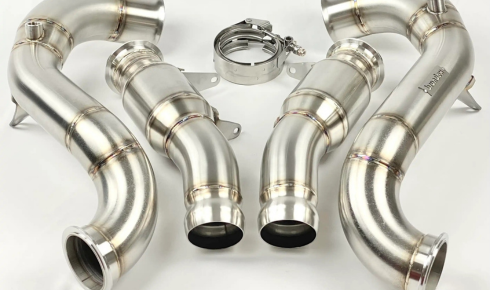
    For performance car enthusiasts, Mercedes AMG models like the GT63 and GLE63 represent the pinnacle of luxury engineering and speed. But even these high-powered machines can benefit from aftermarket upgrades — and one of the most effective enhancements is the installation of performance downpipes. Whether you’re driving the sleek AMG GT63 or the muscular AMG GLE63, upgrading to high-flow downpipes can significantly boost power, improve throttle response, and amplify exhaust sound. Here’s why investing in mercedes amg gt63 downpipes and GLE63 downpipes is a smart move for performance-minded drivers.

    What Are Downpipes?

    Downpipes are a critical component of your vehicle’s exhaust system. Located between the turbocharger and the rest of the exhaust piping, downpipes help direct exhaust gases out of the engine quickly and efficiently. Stock downpipes are often restrictive due to emissions regulations, featuring smaller diameters and catalytic converters that reduce flow.

    Performance downpipes, on the other hand, are designed with wider diameters and fewer restrictions. They may feature high-flow catalytic converters or be completely catless, depending on your setup and local emissions laws. The result is a substantial improvement in how your engine breathes and performs.

    Mercedes AMG GT63 Downpipes: More Power, Better Sound

    The Mercedes AMG GT63 is a four-door powerhouse, boasting a twin-turbocharged V8 engine that delivers exhilarating acceleration and top-tier performance. However, the stock exhaust system can muffle some of its raw potential.

    Upgrading to aftermarket downpipes transforms the GT63 into an even more aggressive machine. You’ll experience:

    • Increased horsepower and torque due to reduced exhaust backpressure
    • Faster turbo spool, which means more responsive acceleration
    • A deeper, more aggressive exhaust note that reflects the car’s racing pedigree

    When combined with a proper ECU tune, the performance gains from Mercedes AMG GT63 downpipes can be dramatic. It’s not uncommon to see gains of 50+ horsepower, depending on your configuration.

    Mercedes AMG GLE63 Downpipes: Unleash the Beast Within

    The Mercedes AMG GLE63 is a high-performance SUV that combines practicality with blistering speed. Beneath the hood lies the same potent V8 engine found in the GT63, and just like its cousin, it stands to gain significantly from a downpipe upgrade.

    Aftermarket downpipes for the AMG GLE63 provide several benefits:

    • Improved exhaust flow leads to better turbo efficiency
    • Enhanced engine sound that brings out a throaty roar on acceleration
    • Reduced turbo lag and improved fuel efficiency under spirited driving

    High-quality downpipes made from stainless steel or Inconel materials are durable and resistant to heat and corrosion, making them an excellent long-term upgrade.

    Installation and Tuning Considerations

    While installing downpipes is relatively straightforward for a professional mechanic or experienced DIY enthusiast, there are a few important factors to consider:

    1. ECU Tuning: To fully realize the benefits of upgraded downpipes, an ECU remap is often necessary. This ensures the engine’s air-fuel ratio is optimized for the increased exhaust flow.
    2. Check Engine Light (CEL): Catless downpipes may trigger a CEL due to the absence of the factory catalytic converters. A tune can usually disable this warning.
    3. Emissions Compliance: Be aware of local laws regarding emissions modifications. In some areas, catless downpipes are not street-legal and should only be used for off-road or track applications.

    Final Thoughts

    For AMG enthusiasts who demand more from their vehicles, downpipes are one of the most impactful upgrades you can make. Whether you’re behind the wheel of a GT63 or a GLE63, the right downpipes can unlock hidden power, deliver a more aggressive exhaust note, and improve overall driving dynamics.

    If you’re looking to take your Mercedes performance to the next level, consider upgrading to mercedes amg gle63 downpipes. It’s a modification that blends performance, sound, and excitement — everything you expect from an AMG.

  • Boost Your Online Presence with a Leading SEO Agency in Bangalore

    Boost Your Online Presence with a Leading SEO Agency in Bangalore

    In today’s competitive digital landscape, businesses in Bangalore are increasingly turning to professional SEO services to enhance their visibility and drive growth. With the internet becoming the primary source of information and commerce, having a strong online presence is no longer optional—it’s essential. That’s where an experienced seo agency in bangalore can make a difference, helping businesses climb search engine rankings and attract targeted traffic.

    Why SEO is Essential for Your Business

    Search Engine Optimization (SEO) is the process of improving your website’s visibility on search engines like Google. When done correctly, SEO can lead to increased organic traffic, better user engagement, and higher conversion rates. In a city like Bangalore—India’s tech hub—the competition is fierce across almost all industries. Whether you’re a startup, a local business, or a well-established enterprise, leveraging SEO is crucial to staying ahead of the curve.

    SEO is not just about ranking for a few keywords. It involves a comprehensive strategy that includes keyword research, content creation, on-page optimization, technical improvements, backlink building, and performance tracking. A well-planned SEO campaign ensures that your website not only ranks well but also offers a great user experience that converts visitors into customers.

    What to Expect from a Professional SEO Agency

    A top-rated SEO agency in Bangalore typically provides end-to-end solutions tailored to your business goals. Here are some core services you can expect:

    1. Keyword Research & Strategy: Identifying the right keywords is the foundation of successful SEO. Agencies use advanced tools and analytics to determine what terms your potential customers are searching for and build your strategy accordingly.
    2. On-Page SEO: This includes optimizing your website’s content, HTML structure, meta tags, and internal links to make it more search-engine friendly.
    3. Off-Page SEO: Building high-quality backlinks from authoritative websites boosts your domain authority and improves search engine rankings.
    4. Technical SEO: Ensuring your website loads quickly, is mobile-friendly, and has clean code is critical for both user experience and search engines.
    5. Content Creation: Quality content is at the heart of SEO. Agencies often provide blog writing, landing page content, and other digital assets to engage users and support SEO efforts.
    6. Analytics & Reporting: Regular performance reports allow you to track the ROI of your SEO campaigns and make informed decisions for future strategies.

    Benefits of Hiring SEO Services in Bangalore

    Choosing to work with professionals who offer seo services in bangalore gives you a competitive edge. Here’s how:

    • Local Market Expertise: Agencies in Bangalore understand the local market dynamics, trends, and consumer behavior, allowing for more precise targeting.
    • Cost-Effective Solutions: Compared to international agencies, Bangalore-based SEO firms often provide high-quality services at competitive rates.
    • Access to Skilled Professionals: The city is home to some of the country’s top digital marketers and SEO specialists who bring innovation and technical expertise to your campaigns.
    • Custom Strategies: Whether you run a local business or an eCommerce platform, SEO firms in Bangalore design strategies that align with your unique needs and goals.

    How to Choose the Right SEO Partner

    Selecting the right agency is critical to your success. Look for companies that have a strong portfolio, positive client testimonials, transparent pricing, and a willingness to communicate clearly. Avoid agencies that promise overnight results or use black-hat techniques that could penalize your site in the long run.

    Schedule a consultation, ask for a preliminary audit of your site, and evaluate how well they understand your business goals. A good SEO partner will work collaboratively with you to achieve long-term success, not just short-term rankings.

    Conclusion

    Investing in SEO is one of the smartest decisions you can make for your business. With the right strategy and execution, you can significantly increase your visibility, attract quality leads, and boost your revenue. If you’re looking to grow your digital presence, partnering with a reliable SEO agency in Bangalore that offers expert SEO services in Bangalore is the way to go.