There’s a certain weight that comes with the word surgery. Even today, it can trigger a mix of worry, curiosity, and a hundred unanswered questions. What will it feel like? How long will recovery take? Will everything go as planned?
But if you look closely at how surgical care has evolved, you’ll notice something important. It’s not just getting more advanced—it’s becoming more thoughtful. Less about the procedure itself, and more about the person going through it.
And that shift, quiet as it is, is changing everything.
The Role of Technology (Without Losing the Human Touch)
We often hear about new innovations in medicine, but it’s easy to forget what they actually mean for patients. It’s not just about impressive machines or complex systems—it’s about improving outcomes in ways people can feel.
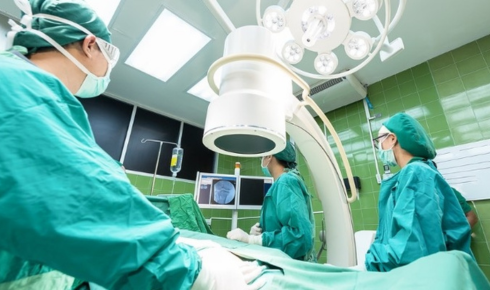
That’s where advanced surgical technology comes in. It’s not just a buzzword. It reflects tools and techniques that allow surgeons to operate with greater precision, smaller incisions, and more control than ever before.
Think of it as refinement rather than reinvention.
Procedures that once required large openings can now be performed with minimal disruption. Imaging systems provide clearer views. Instruments are designed to move with accuracy that reduces strain on surrounding tissue.
And for patients, that often translates into shorter recovery times, less discomfort, and a smoother overall experience.
But here’s the important part—technology doesn’t replace the surgeon. It supports them. It enhances skill, rather than substituting it.
Care That Feels Personal, Not Clinical
There was a time when healthcare felt… distant. Efficient, yes, but not always personal. You followed instructions, attended appointments, and hoped everything went according to plan.
Now, there’s a stronger emphasis on patient-focused care, and it shows in subtle but meaningful ways.
Doctors take more time to explain procedures. Patients are encouraged to ask questions, to understand their options, to be part of the decision-making process. Recovery plans are tailored, not standardized.
It’s not just about treating a condition—it’s about supporting a person.
And that shift changes how people approach surgery. It makes the experience feel less like something happening to you, and more like something you’re actively navigating.
When Every Second Matters
Of course, not all surgical care is planned. Some situations are urgent, unpredictable, and intense.
This is where trauma and critical care plays a vital role. These teams operate in high-pressure environments, where decisions need to be made quickly and accurately.
But even here, the same evolution is happening.
Advancements in monitoring, faster diagnostics, and improved coordination between teams have made a significant difference. Patients receive care more quickly, and with greater precision, even in the most critical situations.
And while the setting might feel overwhelming, the goal remains the same—stabilize, treat, and support.
Recovery Isn’t What It Used to Be
If you talk to someone who had surgery years ago, their experience might sound very different from what patients describe today.
Recovery used to be longer, often more uncertain. Now, it’s more structured.
Pain management has improved. Rehabilitation plans are clearer. Patients are encouraged to move, gradually but confidently, rather than remain inactive for extended periods.
And perhaps most importantly, expectations are better aligned. People know what to expect, what’s normal, and when to seek help.
It’s not about rushing recovery—it’s about guiding it.
The Balance Between Skill and Support
What stands out most in modern surgical care is the balance.
On one side, you have highly trained professionals using advanced tools to perform complex procedures. On the other, you have a system that’s increasingly focused on comfort, communication, and emotional support.
It’s not one or the other—it’s both.
And that balance is what makes the experience feel different.
You’re not just treated—you’re guided.
Making Decisions Without Feeling Overwhelmed
With more options available, decision-making can feel a bit daunting. Different techniques, different approaches, different recommendations—it’s a lot to take in.
But it also means you have choices.
You can ask questions. Seek second opinions. Understand why one approach might be better suited to your situation than another.
And that’s empowering.
Because when you understand your options, you’re not just following a path—you’re choosing it.
The Human Side Still Matters Most
For all the advancements in technology and technique, one thing hasn’t changed: the importance of human connection.
The way a doctor explains a procedure. The reassurance you get before going into surgery. The follow-up conversations that help you understand your recovery.
These moments matter.
They don’t show up in statistics or reports, but they shape how you experience the entire process.
A Quiet Shift in Perspective
What’s interesting is how this evolution is changing the way people think about surgery.
It’s still serious, of course. It always will be. But it’s no longer something that feels as distant or intimidating as it once did.
It’s becoming more approachable. More understandable. More aligned with the needs of the patient.
And that shift, while subtle, is powerful.
Final Thoughts
Surgery hasn’t become easy—but it has become more thoughtful.
With better tools, more personalized care, and a stronger focus on the patient experience, the journey feels less overwhelming and more manageable.
And for anyone facing that journey, that difference matters.
Not in a dramatic, life-changing moment—but in the quiet confidence that you’re being cared for in a way that truly puts you first.