Category: Home Services

  • From Aylesbury to Barking: A First-Time Mover’s Guide to Getting It Right

    From Aylesbury to Barking: A First-Time Mover’s Guide to Getting It Right

    If this is your first time organising a house move, or simply the first time in years, it’s worth knowing that most of the stress people associate with moving day comes down to a handful of avoidable issues: booking too late, underestimating volume, or not understanding the specific quirks of the area you’re moving to. Aylesbury and Barking each have their own version of these quirks, and knowing them in advance puts you in a much stronger position than most people find themselves in.

    This article takes a first-timer’s approach to planning a move in either location, focusing on the decisions that matter most and the details that tend to catch people off guard.

    Understanding What a Removals Quote Actually Covers

    One of the more confusing parts of organising a move is realising that not all quotes mean the same thing. Some companies price purely for transport, expecting you to pack everything yourself and disassemble any large furniture in advance. Others offer a full service that includes packing materials, wrapping fragile items, and reassembling beds and wardrobes at the new property.

    Before comparing prices, it helps to decide what level of service you actually want. If you’re happy to pack boxes yourself but want help with the physical move and any large furniture, say so clearly when requesting quotes. This avoids comparing a bare-bones transport-only price against a full-service quote and mistakenly assuming one company is simply cheaper than another.

    What to Ask Before Accepting Any Quote

    A short list of direct questions tends to clarify things quickly:

    1. Does this price include packing materials, or will I need to supply my own boxes?
    2. Is furniture disassembly and reassembly included, or charged as an extra?
    3. What insurance covers my belongings during transit, and what’s excluded?
    4. How many people and vehicles will actually be sent for a job of this size?

    Getting clear, specific answers here matters more than chasing the lowest headline price, since hidden extras can quickly close the gap between a “cheap” quote and a more comprehensive one.

    What First-Time Movers in Aylesbury Should Expect

    Aylesbury’s growth over the past couple of decades means it now includes a real mix of housing, from modern estates with generous driveways to older streets closer to the town centre where parking can be tighter and less predictable. If you’re moving within the town, or into it from elsewhere, take note of what kind of street your new home sits on, since this affects how easily a removal van can load and unload.

    Anyone researching Removals Aylesbury UK companies for a first move should pay particular attention to how clearly a company communicates during the quoting process. First-time movers often don’t know what questions to ask, so a company that proactively explains what’s included, what typically causes delays, and how they handle awkward items is generally a safer choice than one that simply provides a number and little else.

    It’s also worth asking about the company’s experience with common local property types. A firm regularly working in and around Aylesbury’s newer developments will understand things like estate road layouts and visitor parking restrictions that might not be obvious to an outside company unfamiliar with the area.

    Simple Steps That Help First-Time Movers in Aylesbury

    • Confirm whether your street allows for direct van parking, or if items will need to be carried a distance
    • Ask about typical timelines for a property of your size, so you can plan the rest of your day realistically
    • Mention any large or unusual items, like a piano or gym equipment, right at the quoting stage
    • Consider whether short-term storage might be useful if your moving dates don’t align perfectly

    Navigating a First Move in Barking

    Barking’s closeness to central London brings a different set of considerations, particularly around parking and traffic timing. Streets here can be considerably tighter than in more suburban areas, and rush-hour congestion on nearby routes can turn a straightforward loading job into a longer one if the timing isn’t planned carefully.

    If you’re comparing Removals Barking UK companies for the first time, ask directly about how they handle parking restrictions on residential streets. Some areas allow for a temporary parking suspension to be arranged through the local council, which reserves space directly outside the property, while others don’t have this option at all. Knowing which applies to your specific address, and doing so well before moving day, prevents the common scenario of a van parked several streets away and movers losing time simply walking back and forth.

    Flats and converted properties are widespread throughout Barking, and many involve shared stairwells or lifts. If your new home falls into this category, contact the building’s management directly to confirm any rules around permitted moving hours or required notice. This step is easy to overlook for first-time movers, who often assume the removals company will handle every aspect automatically.

    Common First-Timer Mistakes in Barking

    • Booking a moving slot without checking how nearby traffic patterns might affect timing
    • Assuming street parking will simply be available without confirming in advance
    • Not realising that lift access in flats sometimes needs to be booked separately
    • Underestimating how much narrow stairwells or corridors add to loading time

    Comparing Companies Without Getting Overwhelmed

    For a first-time mover, requesting quotes from three or four companies is usually enough to get a reasonable sense of the local market without becoming overwhelming. Focus on comparing like-for-like: same scope of service, same level of detail about your property, and ideally quotes based on an actual survey rather than a guess over the phone.

    Trust your instinct about communication as well as price. A company that patiently explains its process and answers questions clearly tends to be a better experience on the day itself than one that simply undercuts on price without offering much detail.

    Practical Tips for Moving Day Itself

    However well the removals company handles the heavy lifting, a bit of preparation on your part makes the day considerably smoother:

    • Pack a clearly labelled essentials box with toiletries, chargers, medication, and a change of clothes
    • Label every box by the room it belongs in, rather than by category, to speed up unpacking
    • Photograph any complicated wiring setups before disconnecting electronics
    • Use towels and bedding to cushion fragile items instead of relying entirely on bubble wrap

    Frequently Asked Questions

    How far in advance should a first-time mover book removals?

    Aim for at least four to six weeks, particularly if your move falls near month-end or during busier periods like summer, when demand rises across most areas.

    What’s the difference between a full-service and transport-only quote?

    A full-service quote typically includes packing materials, wrapping, and furniture disassembly, while a transport-only quote covers just the physical move, leaving packing to you.

    Do I need to arrange parking myself before moving day?

    This depends on the company. Some handle parking suspension applications with the local council, while others expect the customer to sort this out. Always confirm during the quote stage.

    How many companies should I get quotes from?

    Three or four is usually sufficient to compare pricing and service levels fairly without becoming overwhelming, provided each quote covers the same scope of work.

    What should I do if my new home is a flat with a shared lift?

    Contact the building’s management directly to confirm any rules around moving hours, lift booking procedures, or required notice, separate from what your removals company tells you.

    Is it worth paying for a full-service move as a first-timer?

    It depends on your budget and how much time you have to pack. A full-service option removes a lot of the physical effort and reduces the risk of items being packed incorrectly, which can be particularly helpful if you’re unfamiliar with the process.
  • What Homeowners Should Know About Water Quality Standards and Treatment

    What Homeowners Should Know About Water Quality Standards and Treatment

    Water quality is one of those subjects that can feel complicated until it becomes a problem in your own home. Most people don’t spend much time thinking about what’s happening inside their water pipes. They turn on the faucet, fill a glass, take a shower, or start the washing machine and move on with the day.

    Then something changes.

    Maybe the water develops an unusual taste. Perhaps mineral spots begin appearing on your faucets, or your showerhead seems to collect buildup almost overnight. Sometimes the problem is obvious. Other times, it takes a little investigation to understand what’s really going on.

    Knowing how water quality is monitored and what professional standards mean can help homeowners make smarter decisions about filtration and treatment.

    Why Water Quality Deserves Attention

    Water can look perfectly clear and still have characteristics that aren’t obvious to the eye. Hardness minerals, sediment, changes in pH, and other substances may influence how water behaves around your home.

    Of course, not every unusual taste or spot means there’s a serious issue. Some problems may be related to plumbing, temporary changes in the supply, or naturally occurring minerals.

    That’s why it’s better to investigate rather than panic.

    A homeowner who understands the basics of water quality is in a much stronger position when it’s time to consider treatment equipment.

    Understanding the Role of Regulations

    In Texas, homeowners may come across references to tceq when researching water quality, environmental standards, and related services.

    The agency plays an important role in protecting the state’s natural resources and overseeing areas connected with environmental quality. For consumers, this is useful context because water quality isn’t simply left to individual businesses or homeowners to figure out on their own.

    Regulations and professional standards exist for a reason.

    Still, homeowners should understand that regulatory oversight and household water treatment are two different things. Government standards help establish requirements and protections, while a residential treatment system is selected based on the specific characteristics and needs of a property.

    What the Texas Commission on Environmental Quality Does

    The texas commission on environmental quality is commonly known as TCEQ. Its responsibilities cover a broad range of environmental matters in Texas, including areas related to water resources and quality.

    For homeowners, the important takeaway is that water quality exists within a larger regulatory framework.

    That doesn’t mean every home has identical water conditions. A municipal supply, private well, older plumbing system, and rural property can all present different circumstances.

    Understanding where your water comes from is therefore an important first step.

    If you’re dealing with a private well, for example, testing and ongoing monitoring can be especially important because the homeowner has a different level of responsibility for the water supply than someone connected to a regulated municipal system.

    Water Testing Can Tell You More

    When homeowners notice a water problem, the temptation is often to search for a product immediately.

    That’s understandable. Nobody enjoys seeing white deposits on a faucet for the hundredth time.

    But testing first can be much more useful.

    A water test may provide information about hardness, pH, minerals, and other characteristics depending on what is being tested. More specialized tests can be used when there are specific concerns.

    The results don’t necessarily mean you need an expensive treatment system. Sometimes they simply confirm that the issue is minor or identify a relatively straightforward solution.

    In other cases, testing may reveal that a more targeted treatment approach is appropriate.

    Hard Water Is a Common Household Concern

    Hard water deserves special attention because it can create a long list of everyday annoyances.

    Calcium and magnesium are naturally occurring minerals, but elevated levels can contribute to scale and deposits. Homeowners may notice spots on dishes, residue around faucets, dry-feeling skin, or soap that doesn’t seem to work as well as expected.

    Water softening equipment is commonly used to address hardness.

    The important point is that a softener isn’t a universal filter. It is designed for a particular water characteristic. If the main concern is something else, another treatment method may be needed.

    That distinction can save homeowners from buying equipment that doesn’t solve the actual problem.

    Professional Standards Matter Too

    Homeowners don’t have to navigate water treatment completely on their own.

    Organizations such as the water quality association provide industry education, resources, and professional information related to water treatment and water quality.

    For consumers, professional standards can be useful when evaluating companies, technicians, and treatment options.

    It doesn’t hurt to ask questions about experience, training, equipment, maintenance, and installation practices. A reputable professional should be comfortable explaining what a system does and why it has been recommended.

    If the explanation sounds like a sales pitch filled with complicated words but doesn’t actually answer your questions, slow the process down.

    You should understand what you’re buying.

    Choosing Treatment Based on Your Needs

    There are several different approaches to residential water treatment.

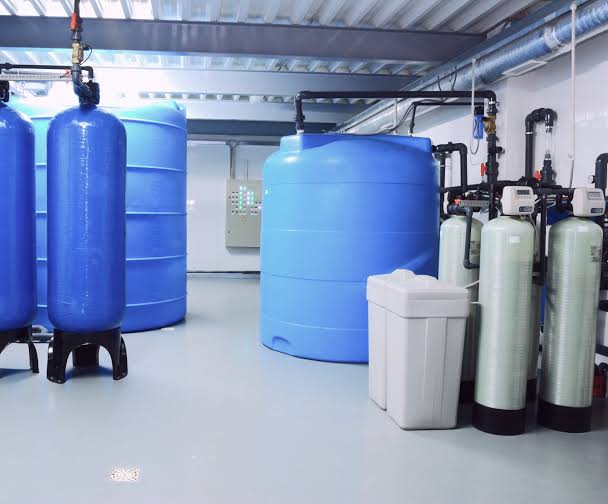
    Whole-home filtration can be useful when a water-quality concern affects multiple fixtures throughout the house. Drinking-water systems, including reverse osmosis, are often considered when the primary goal is improving water used for drinking and cooking.

    Water softeners address hardness, while specialized filters may be designed for sediment, taste, odor, or other concerns.

    The best solution depends on the water.

    That’s why copying a neighbor’s setup isn’t always the smartest idea. Even homes located a few streets apart can have different plumbing, water sources, or treatment requirements.

    Installation Is Part of the Solution

    Buying good equipment is only half the job.

    The system also needs to be installed correctly. Plumbing connections, flow requirements, drainage, available space, and access for maintenance can all matter.

    A poorly planned installation can create unnecessary headaches later.

    Professional installation can also make future service easier because the equipment is positioned and connected with maintenance in mind.

    It’s a small detail that homeowners often overlook until they need to replace a filter or service a component.

    Don’t Forget About Maintenance

    Water treatment equipment needs attention from time to time.

    Filters don’t last forever. Softening systems may require regular maintenance, and other components can eventually wear out.

    The problem is that these systems usually operate quietly. There isn’t always an obvious sign telling you that a filter is overdue for replacement.

    A simple maintenance schedule can prevent that from becoming an issue.

    Keep records of filter changes and service visits. If the manufacturer recommends a particular maintenance interval, follow it. A little routine attention can help protect the investment you’ve already made.

    Making a More Informed Water Treatment Decision

    Understanding water quality doesn’t require becoming a scientist. You simply need to approach the subject with a little curiosity.

    Pay attention to changes in taste, odor, appearance, and mineral buildup. Learn where your home’s water comes from. Test it when necessary, and understand what different treatment systems are actually designed to accomplish.

    Most importantly, don’t let complicated terminology push you into making a rushed decision.

    Good water treatment starts with good information. Once you understand the problem, the possible solutions become much easier to compare.

    At the end of the day, the goal is pretty simple: water that fits the needs of your household and a treatment system that does its job reliably. When the equipment is properly selected, installed, and maintained, you don’t have to think about it every time you turn on the faucet.

    You just enjoy the water—and get on with your day.

  • What Your Water Is Leaving Behind: Understanding Hard Water at Home

    What Your Water Is Leaving Behind: Understanding Hard Water at Home

    Water is supposed to make life easier. We drink it, cook with it, shower in it, wash clothes with it, and use it to keep the house clean. So when water itself starts creating messes, it can feel a little backwards.

    White spots appear on glasses. Faucets develop a crusty ring. The showerhead doesn’t seem to spray quite as well as it used to. Maybe your soap refuses to lather properly, or the laundry comes out feeling oddly stiff.

    These are some of the everyday signs associated with hard water, a common household water condition caused mainly by dissolved minerals such as calcium and magnesium.

    Hard water isn’t usually considered a health emergency, but it can certainly be a household nuisance. More importantly, understanding it can help you decide whether treatment is worthwhile — and what kind of treatment actually makes sense.

    What Exactly Is Hard Water?

    Water becomes hard when it picks up minerals as it travels through soil and rock. Calcium and magnesium are the main contributors.

    The amount can vary significantly depending on where you live and where your water comes from. Some municipal supplies are relatively soft, while others contain considerable mineral content. Private well water can be especially variable because it interacts directly with local geology.

    You may not notice anything unusual when you first pour a glass. Hardness is often more obvious after the water dries or gets heated.

    That’s when those familiar white deposits start showing up.

    Why Mineral Scale Appears Everywhere

    When hard water evaporates, minerals can remain behind. Over time, this creates scale buildup on fixtures and inside plumbing components.

    A little buildup might seem harmless. After months or years, though, it can become a stubborn problem.

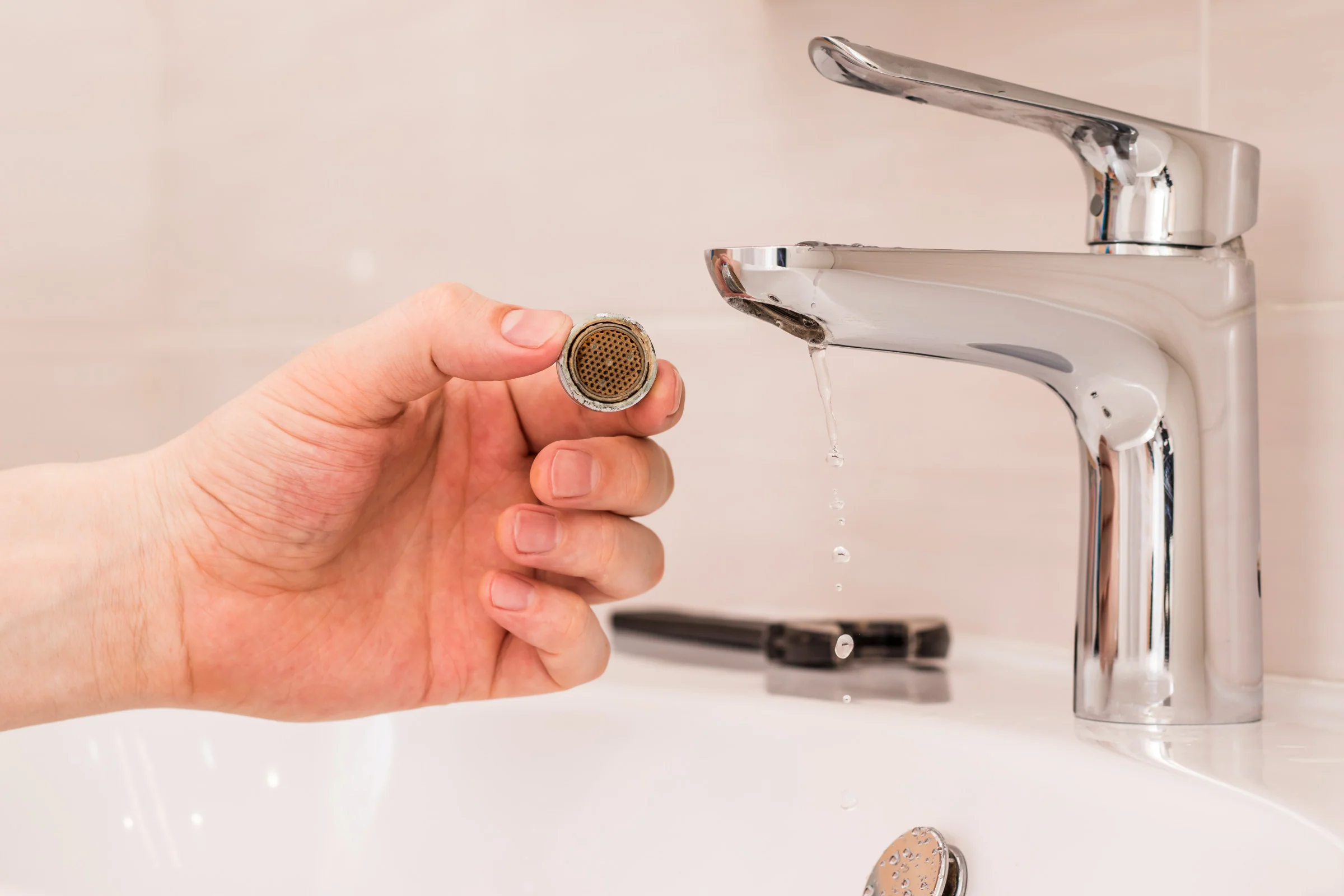
    Showerheads may develop blocked spray openings. Faucet aerators can become restricted. Water heaters can collect mineral deposits around heating elements or inside the tank. Dishwashers and coffee machines may also be affected.

    The more frequently water is heated, the more noticeable scale can become.

    This doesn’t mean every household with hard water needs an expensive treatment system. But if you’re constantly cleaning mineral deposits or dealing with appliance problems, it’s worth investigating.

    Hard Water Can Make Cleaning More Frustrating

    One of the most noticeable effects of hard water happens during cleaning.

    Soap and detergents don’t behave exactly the same way in mineral-rich water. You may find yourself using more product to get the result you expect. Soap residue can also contribute to the dull film sometimes seen on shower doors, sinks, and bathtubs.

    Laundry can be another source of frustration. Clothes may feel less soft or appear dull over time, particularly when washing conditions aren’t adjusted for the water hardness.

    It’s one of those issues that’s easy to dismiss because no single event seems dramatic. But add up the extra cleaning, product use, and maintenance over several years, and it becomes more noticeable.

    How Hard Water Affects Appliances

    Your appliances probably don’t complain, but they do notice what’s happening.

    Water heaters, washing machines, dishwashers, humidifiers, ice makers, and other water-using equipment can be exposed to mineral deposits.

    In a water heater, scale can accumulate where water is heated. That buildup may reduce efficiency and increase maintenance requirements. Small passages in appliances can also become restricted when deposits accumulate.

    This is one reason homeowners sometimes consider water softening even when they aren’t particularly bothered by the taste of their water.

    The goal isn’t necessarily to change drinking water. It can also be about protecting equipment and reducing maintenance.

    Testing Helps You Understand the Problem

    You can’t reliably judge hardness by looking at a glass of water.

    A water test can measure hardness and provide a clearer picture of what you’re dealing with. Testing is particularly helpful for private well owners, since groundwater chemistry can vary over time.

    It’s also worth remembering that hardness is only one part of overall water quality. Water may contain other substances that aren’t related to hardness at all.

    That’s why choosing treatment based on a test is generally smarter than purchasing equipment based solely on symptoms.

    If a professional recommends a system, ask what the test showed and what the proposed equipment is designed to address. A good provider should be able to explain the reasoning in plain English.

    What Can Be Done About Hard Water?

    The most common treatment for significant household hardness is a water softener.

    Water softeners typically use ion exchange to reduce calcium and magnesium. When properly sized and maintained, they can help reduce scale and make water easier to work with around the house.

    You might notice fewer deposits on faucets, less scale inside fixtures, and easier soap rinsing.

    There are also alternative approaches marketed for scale control, but their effectiveness and purpose can differ from conventional softening. It’s worth understanding exactly what a system does before buying it.

    And remember: a softener isn’t a universal water purifier. It primarily addresses hardness.

    Is a Water Softener Right for Every Home?

    Not necessarily.

    If your water is only mildly hard and you aren’t experiencing meaningful problems, you may decide that treatment isn’t worth the cost.

    For households with significant scale, appliance concerns, or persistent cleaning problems, the investment may make more sense.

    The decision should consider water hardness, household size, water usage, installation cost, ongoing maintenance, and local water conditions.

    If you’re using well water, it’s especially important to test before choosing equipment. Hardness may be only one of several issues requiring attention.

    Don’t Forget About Maintenance

    If you install a water softener or other treatment equipment, maintenance becomes part of the deal.

    Softener systems may require salt or another regeneration material depending on the design. Filters need replacing. Tanks and connections should be inspected periodically.

    Neglecting maintenance can reduce system performance and make the original investment less useful.

    A simple calendar reminder is often enough. It doesn’t have to become another complicated household chore.

    Living With Better Water

    Hard water is one of those problems that can sit quietly in the background for years. Then one day you look at the showerhead and wonder how it got so crusty.

    The good news is that it’s usually manageable.

    Start by testing your water and understanding the hardness level. Look at how it’s affecting your fixtures, appliances, cleaning routine, and overall household experience. Then decide whether treatment is justified.

    You don’t need to chase perfectly mineral-free water. You simply want water that works well for your household.

    Once you understand what’s causing those spots, deposits, and stubborn cleaning problems, the solution becomes much less mysterious. And sometimes, that’s half the battle.

  • What Homeowners Should Know About Sewer and Gas Line Problems

    What Homeowners Should Know About Sewer and Gas Line Problems

    Most plumbing problems start quietly. A drain takes a little longer to empty. There’s an odd smell near the yard. Maybe a patch of grass suddenly looks greener than the rest. These things are easy to brush off, especially when everything else in the house seems to be working normally.

    But underground sewer and gas lines don’t usually give you many chances to ignore a problem. A small issue can gradually become a major repair if it’s left unattended.

    Understanding the warning signs—and knowing when to call a professional—can save homeowners plenty of stress, mess, and money.

    Why Underground Lines Deserve Attention

    Your home’s sewer and gas lines perform very different jobs, but both are essential. Sewer pipes carry wastewater away from the property, while gas lines deliver fuel to appliances such as furnaces, water heaters, dryers, and stoves.

    Because much of this infrastructure is hidden underground or behind walls, problems aren’t always obvious at first. A damaged sewer pipe may continue working for weeks before a serious backup occurs. A gas-line issue can be even more concerning because escaping gas can create a significant safety hazard.

    That’s why strange odors, unusual sounds, drainage problems, or unexplained changes around your property shouldn’t simply be ignored.

    Common Signs of Sewer Line Trouble

    A clogged kitchen sink is one thing. Multiple drains backing up at the same time is another.

    When several fixtures begin draining slowly, the problem may be farther down the plumbing system rather than at a single sink or toilet. Other warning signs include recurring backups, gurgling sounds from drains, unpleasant sewage odors, and water pooling in unusual areas of the yard.

    Tree roots are another common culprit. Roots naturally seek moisture, and tiny cracks or joints in sewer pipes can provide an easy entry point. Once inside, they can grow and restrict the flow of wastewater.

    Older pipes can also crack, collapse, corrode, or become displaced over time.

    Why Sewer Line Inspections Matter

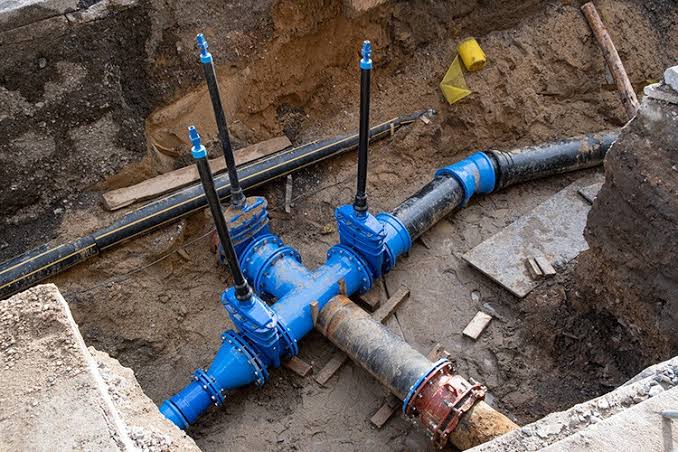
    When there’s uncertainty about what’s happening underground, sewer line inspections can provide answers without immediately digging up the property.

    A professional plumber can use a specialized camera to inspect the inside of the sewer line. The camera helps identify problems such as cracks, root intrusion, blockages, corrosion, collapsed sections, or damaged connections.

    This approach can be especially useful when buying an older home. A sewer replacement can be an expensive surprise, and finding out about a deteriorating line before purchasing a property gives you much more information for making a decision.

    Inspections can also help determine whether a recurring backup is caused by a simple obstruction or something more serious.

    Don’t Ignore Repeated Sewer Backups

    It’s tempting to reach for a drain cleaner every time a sink or tub drains slowly. Sometimes that solves a minor blockage. But if the same problem keeps returning, there may be a deeper issue.

    Repeated backups can indicate a damaged sewer line, root intrusion, buildup, or a problem with the home’s main sewer connection.

    In that situation, treating each blockage as a separate event can become an expensive cycle. A professional inspection may reveal the actual cause and help you choose a longer-term solution.

    Gas Line Problems Require Extra Care

    Gas plumbing deserves a different level of caution. If you suspect a gas leak, don’t try to locate or repair it yourself.

    A strong rotten-egg-like odor, hissing sounds near a gas appliance or pipe, or unexplained changes in gas usage may indicate a problem. Leave the area and contact the appropriate emergency service or qualified gas professional according to local safety guidance.

    Gas lines should only be worked on by properly qualified professionals. Improvised repairs can put people and property at serious risk.

    When Gas Line Repairs May Be Necessary

    Professional gas line repairs may be needed when pipes, fittings, connectors, or other components become damaged, corroded, improperly connected, or otherwise unsafe.

    The exact repair depends on the location and severity of the problem. In some cases, a damaged section may need replacement. In others, the issue could involve a fitting or appliance connection.

    A qualified technician should inspect the system, identify the source of the problem, and determine the appropriate repair method.

    It’s not a good idea to patch, tape, or modify a gas line with household materials. What looks like a quick fix can create a much more dangerous situation.

    Choosing Professional Sewer and Gas Services

    When searching for sewer and gas line services, homeowners should look beyond the cheapest estimate.

    Ask whether the company has experience with the specific type of problem you’re facing. For sewer work, find out whether they use camera inspection equipment and whether they can explain the condition of the pipe clearly.

    For gas work, verify that the technician is appropriately qualified and that the company follows applicable local codes and safety requirements.

    A trustworthy professional should explain the problem before recommending an expensive repair. You should understand what needs to be fixed, why it’s necessary, and what options are available.

    Prevention Can Save You Trouble Later

    Not every sewer or gas line problem can be prevented, but regular attention can help catch issues earlier.

    Avoid flushing inappropriate materials down toilets, and be careful about what goes into kitchen drains. If you have mature trees near underground sewer lines, keep an eye out for recurring drainage issues.

    For gas appliances, follow manufacturer maintenance recommendations and pay attention to unusual odors, noises, or performance changes.

    Older properties may also benefit from periodic inspections, particularly before major renovations or property purchases.

    Take Small Warning Signs Seriously

    Sewer and gas line problems aren’t the kind of household issues worth gambling with. A slow drain may be harmless, but repeated backups could point to a damaged sewer line. A strange gas odor might have a simple explanation, but it should never be dismissed without proper evaluation.

    The good news is that modern diagnostic tools make it easier to identify many underground plumbing problems without unnecessary excavation.

    Whether you’re dealing with a stubborn sewer backup, planning an inspection for an older property, or concerned about a possible gas-line issue, getting professional advice early can make a big difference.

    Sometimes the smartest plumbing decision is simply paying attention when your home starts trying to tell you something.

  • Keeping Your Home’s Water System Running Smoothly: What to Know About Parts, Maintenance, and Hard Water

    Keeping Your Home’s Water System Running Smoothly: What to Know About Parts, Maintenance, and Hard Water

    Clean, reliable water is one of those things most homeowners barely think about until something goes wrong. A strange taste shows up in the kitchen. Water pressure drops. A faucet starts making an odd noise, or suddenly there’s a stubborn white ring around the sink. These little signs can be easy to ignore, but they often point to a water system that needs attention.

    Whether you have a water softener, filtration system, reverse osmosis unit, or another type of home water treatment equipment, keeping it in good condition is less complicated than it sounds. The trick is knowing what needs replacing, what needs regular care, and what problems shouldn’t be left to chance.

    Why Water Equipment Needs Regular Attention

    Water treatment equipment works quietly in the background every day. That means filters collect sediment, seals experience wear, valves open and close repeatedly, and mineral deposits can gradually build up inside components.

    Even a high-quality system isn’t completely maintenance-free.

    Think of it like your car. You wouldn’t expect to drive for years without changing the oil or replacing worn components. Water equipment deserves much the same approach. A little attention at the right time can prevent a much bigger headache later.

    Routine inspections can also help homeowners spot problems before they become expensive. A small leak around a connection, for instance, may seem harmless today. Left alone, it could eventually damage cabinets, flooring, or nearby equipment.

    Choosing the Right Parts Matters

    When a component wears out, replacing it with the cheapest available option isn’t always the smartest move. Water systems are designed around specific pressures, connections, flow rates, and filtration requirements. A part that looks similar might not actually perform the same way.

    That’s why quality replacement parts & accessories are important when repairing or upgrading a water treatment system. The right cartridge, valve, connector, membrane, seal, or fitting can help the system operate as intended instead of creating another problem down the road.

    It’s also worth checking compatibility before ordering anything. Homeowners sometimes assume that because two filters look alike, they’ll work in the same housing. Not necessarily. Manufacturer specifications, model numbers, dimensions, and water-flow requirements can all matter.

    If you’re uncertain, getting advice from a qualified technician is usually cheaper than buying the wrong component twice.

    Maintenance Is About More Than Changing Filters

    Filter replacement gets most of the attention, and for good reason. A clogged or exhausted filter can reduce flow and affect water quality. But there’s more to keeping a water treatment system healthy.

    Professional service & maintenance may include checking connections, inspecting valves, testing system performance, cleaning components, examining pressure levels, and identifying early signs of wear.

    The exact schedule depends on the equipment and the quality of the incoming water. Homes using well water, for example, may have different maintenance needs than homes connected to a municipal supply.

    A maintenance visit can also answer a question homeowners often overlook: Is the system still doing what it was designed to do?

    A unit may still be running, but that doesn’t automatically mean it’s performing efficiently. Changes in water pressure, taste, odor, flow, or filter life can all provide useful clues.

    The Hidden Problem With Hard Water

    Hard water is common in many areas, and it can be surprisingly persistent. It contains dissolved minerals, mainly calcium and magnesium. Those minerals aren’t usually something you notice while filling a glass, but they’re much easier to spot around faucets, showerheads, appliances, and plumbing fixtures.

    Over time, hard water & scale buildup can become more than a cosmetic nuisance. Mineral deposits may restrict water flow, reduce the efficiency of water heaters, and make fixtures harder to clean.

    You might notice cloudy glassware after washing dishes or a rough, chalky layer around the shower. Soap may also struggle to rinse away properly, leaving skin feeling dry or surfaces looking dull.

    A water softener can help address hardness by reducing the minerals responsible for these problems. But even a softening system needs proper settings, maintenance, and periodic checks to work effectively.

    Signs Your System May Need Attention

    Your water system usually gives you clues before it completely fails. You just have to notice them.

    Some common warning signs include:

    • A sudden drop in water pressure
    • Unusual tastes or odors
    • Filters becoming clogged sooner than expected
    • Water leaking around fittings or housings
    • Increased mineral deposits on fixtures
    • Changes in the regeneration cycle of a softener
    • Strange noises coming from the equipment
    • Water that looks cloudy or unusual

    None of these symptoms should automatically cause panic. Sometimes the solution is as simple as replacing a filter or tightening a connection. Other times, the issue may involve a valve, membrane, pump, or internal component.

    The important thing is not to keep guessing when the problem persists.

    Don’t Forget About Drinking Water Systems

    Point-of-use systems, particularly reverse osmosis units, need their own maintenance routine. These systems can provide excellent drinking water, but filters and membranes have a service life.

    A neglected RO system may experience slower production, unpleasant taste, or reduced performance. The storage tank and fittings should also be checked periodically, especially if the system has been installed for several years.

    Because drinking-water equipment directly affects the water your household consumes, following the manufacturer’s recommended replacement schedule is a sensible habit. Waiting until water tastes bad isn’t always the best indicator that a filter needs changing.

    Professional Help Can Save Time

    There are plenty of water-system tasks a homeowner can handle. Replacing an accessible filter is often straightforward. Checking for obvious leaks is sensible, too.

    More complicated repairs are a different story.

    If a system is leaking internally, losing pressure repeatedly, failing to regenerate, or producing water that doesn’t meet expectations, professional diagnosis can save a lot of trial and error. A technician can assess the entire setup rather than focusing on one symptom.

    That’s especially useful when multiple components work together. Changing one part without understanding the underlying issue may temporarily mask the problem while another component continues to deteriorate.

    A Little Care Goes a Long Way

    Water treatment isn’t something you need to obsess over. In fact, the best systems are designed to make life easier, not add another chore to your weekly routine.

    Still, paying attention to small changes can make a real difference. Replace filters when required, keep an eye on leaks and mineral deposits, follow equipment guidelines, and arrange professional service when something doesn’t seem right.

    Most importantly, don’t wait for a minor issue to become a major repair. Water equipment works hard every day, quietly protecting your home’s plumbing, appliances, and water quality. Give it a little attention in return, and it can continue doing its job reliably for years to come.

  • Why Choosing the Right Plumbing Professional Makes All the Difference for Your Home

    Why Choosing the Right Plumbing Professional Makes All the Difference for Your Home

    Plumbing is one of those things most homeowners barely notice when everything is working properly. You turn on the faucet, hot water arrives when you need it, the shower drains without complaint, and the dishwasher quietly finishes another cycle. It all feels effortless.

    Of course, that changes the moment something goes wrong.

    A leaking pipe beneath the sink, a water heater that suddenly quits, or a clogged drain on a busy weekday has a way of demanding your full attention. In those moments, the quality of the plumber you hire becomes just as important as the repair itself.

    The truth is, plumbing isn’t simply about fixing what’s broken. It’s about protecting your home, preventing future problems, and making sure one repair today doesn’t become a much larger expense tomorrow.

    That’s why choosing the right plumbing company deserves more thought than many people initially give it.

    Plumbing Is the Foundation of Everyday Comfort

    It’s easy to underestimate how many daily routines depend on reliable plumbing.

    Morning showers.

    Cooking dinner.

    Running the washing machine.

    Cleaning dishes.

    Watering the garden.

    Even something as simple as washing your hands relies on a network of pipes, valves, fixtures, and appliances working together behind the walls of your home.

    Because plumbing operates quietly in the background, homeowners often don’t think about it until a problem interrupts normal life.

    When it does, having a trusted professional already in mind makes a stressful situation much easier to manage.

    Why expert plumbing services Matter

    Not every plumbing issue is obvious.

    A dripping faucet might indicate excessive water pressure. A slow drain could point to buildup deep inside the plumbing system rather than a simple clog. Low water pressure may have several possible causes, ranging from mineral deposits to hidden leaks.

    That’s where expert plumbing services  provide real value.

    Experienced plumbers don’t simply repair visible symptoms—they investigate the underlying cause of the problem. That approach reduces the likelihood of repeated repairs while helping homeowners avoid larger issues that could develop over time.

    Professional experience also matters when working with water heaters, sewer lines, gas piping, filtration systems, fixture replacements, and modern plumbing technologies.

    Having the right knowledge often saves both time and money.

    Small Plumbing Problems Rarely Stay Small

    One lesson many homeowners learn the hard way is that plumbing issues usually become more expensive when ignored.

    A minor leak may slowly damage flooring or cabinetry.

    A small drip can waste thousands of gallons of water over the course of a year.

    Sediment buildup inside a water heater gradually reduces efficiency.

    Slow drains often become complete blockages if left untreated.

    Addressing these issues early is almost always more affordable than waiting until an emergency develops.

    Routine inspections and preventive maintenance often uncover hidden problems before they require major repairs.

    Homeowners Value dependable performance

    When hiring a plumbing company, people aren’t simply paying for a repair.

    They’re looking for dependable performance  they can trust long after the technician leaves.

    That means showing up on time.

    Communicating clearly.

    Diagnosing problems accurately.

    Using appropriate materials.

    Completing repairs correctly the first time whenever possible.

    Reliable plumbers understand that homeowners aren’t just investing in labor—they’re investing in confidence.

    Knowing a repair has been completed properly allows families to return to their normal routines without worrying about recurring problems.

    That peace of mind is worth a great deal.

    Good Communication Builds Trust

    One quality that often separates exceptional plumbers from average ones has little to do with tools.

    It’s communication.

    Homeowners appreciate technicians who explain problems in plain language instead of overwhelming them with technical terminology.

    They want to understand what caused the issue, which repair options are available, what the costs involve, and how future problems might be prevented.

    Transparent communication creates trust.

    It also helps homeowners make informed decisions rather than feeling pressured into unnecessary work.

    The best plumbing professionals educate as much as they repair.

    Technology Has Changed Modern Plumbing

    Today’s plumbing industry looks very different from what it did a generation ago.

    Video camera inspections allow plumbers to diagnose underground drain issues without unnecessary excavation.

    Leak detection equipment identifies hidden water leaks before significant property damage occurs.

    High-efficiency water heaters reduce operating costs.

    Modern water filtration systems improve drinking water quality while protecting appliances.

    These advancements allow repairs to become more accurate, less invasive, and often more cost-effective.

    Homeowners benefit from better solutions while avoiding many of the disruptions older repair methods once required.

    Why quality workmanship Always Pays Off

    It’s tempting to focus only on the lowest repair estimate.

    But in plumbing, the least expensive option doesn’t always provide the best value.

    Quality workmanship  means using durable materials, following proper installation procedures, respecting local plumbing codes, and taking the time to complete repairs correctly instead of rushing through them.

    Well-executed repairs typically last longer, require fewer callbacks, and reduce the likelihood of additional damage later.

    In many cases, paying slightly more for experienced craftsmanship saves considerably more money over the life of the repair.

    It’s an investment in long-term reliability rather than a temporary fix.

    Preventive Maintenance Is Often Overlooked

    Many homeowners call a plumber only after something breaks.

    While emergency repairs are certainly important, regular maintenance can prevent many common plumbing issues altogether.

    Simple services like inspecting water heaters, checking shutoff valves, flushing sediment, testing water pressure, cleaning drains, and examining visible plumbing connections help identify developing problems before they become emergencies.

    Preventive maintenance also extends the lifespan of plumbing fixtures and household appliances while reducing unexpected repair costs.

    It’s a practical habit that pays off quietly over time.

    A Trusted Plumber Becomes a Valuable Long-Term Partner

    Homeownership comes with an ongoing list of responsibilities.

    Roofs need attention.

    Heating and cooling systems require maintenance.

    Electrical components eventually wear out.

    Plumbing is no different.

    Having a plumbing professional you trust means you already know who to call when questions arise or repairs become necessary.

    Over time, that relationship becomes valuable because the plumber gains familiarity with your home’s plumbing system, previous repairs, and unique characteristics.

    That knowledge often leads to faster diagnoses and more efficient service.

    Better Plumbing Creates a Better Home

    Reliable plumbing rarely earns much attention because, ideally, it simply works.

    Fresh water arrives when needed.

    Wastewater leaves efficiently.

    Water heaters provide consistent comfort.

    Appliances operate properly.

    Families move through their daily routines without interruption.

    Behind every one of those conveniences is skilled plumbing work that most people never see.

    Choosing experienced professionals, addressing problems early, and valuing quality over shortcuts helps protect both your home and your peace of mind.

    At the end of the day, plumbing isn’t just about pipes and fittings. It’s about supporting the everyday moments that make a house feel comfortable, functional, and dependable. And when those systems are cared for by professionals who take pride in their work, the benefits quietly last for years.

  • Why Commercial HVAC Maintenance Is Essential for a Reliable and Efficient Business

    Why Commercial HVAC Maintenance Is Essential for a Reliable and Efficient Business

    Walk into any successful business, and chances are you won’t immediately notice the heating or air conditioning system. You’ll notice comfortable employees, customers who are happy to stay longer, and an environment that simply feels right. That quiet comfort doesn’t happen by accident. It’s usually the result of regular maintenance and careful planning behind the scenes.

    For businesses, HVAC equipment does far more than regulate temperature. It protects productivity, preserves inventory in certain industries, creates a welcoming atmosphere for customers, and helps control operating expenses. When a commercial system fails unexpectedly, the impact goes well beyond an uncomfortable office. Lost revenue, interrupted operations, unhappy tenants, and emergency repair costs can quickly add up.

    That’s why proactive maintenance has become an essential part of responsible facility management. Rather than waiting for problems to appear, smart business owners focus on keeping equipment running efficiently throughout the year.

    Commercial HVAC Equipment Faces Constant Demands

    Unlike residential systems that cycle on and off depending on family schedules, commercial HVAC equipment often operates for extended hours—or even around the clock.

    Office buildings, restaurants, medical facilities, retail stores, warehouses, schools, and manufacturing facilities all rely heavily on consistent climate control. During busy seasons, equipment may run continuously for weeks with very little downtime.

    That constant operation naturally leads to wear on motors, belts, electrical components, coils, filters, and controls. None of this means the equipment is poorly built. It simply reflects the demanding environment in which commercial systems operate every day.

    Routine inspections help identify these normal signs of wear before they evolve into larger, more expensive failures.

    Why commercial hvac maintenance Should Never Be Delayed

    Many business owners understandably focus on expenses they can immediately see. Maintenance sometimes feels like a cost that can wait another month.

    Unfortunately, HVAC problems rarely improve by themselves.

    A dirty coil gradually reduces efficiency.

    A worn belt eventually snaps.

    Loose electrical connections generate heat.

    Clogged filters force fans to work harder than necessary.

    Scheduling commercial hvac maintenance allows technicians to catch these issues while repairs remain relatively simple and affordable. Instead of reacting to equipment failures, businesses gain the advantage of planning maintenance during convenient times that minimize disruption.

    That proactive approach often saves considerably more money than it costs.

    Comfortable Employees Perform Better

    Indoor comfort has a surprisingly large impact on workplace productivity.

    If an office feels excessively warm during the summer or too cold during the winter, concentration naturally declines. Employees become distracted, customers shorten their visits, and complaints begin to increase.

    Maintaining a stable indoor environment helps people remain focused throughout the workday.

    Good HVAC performance also contributes to better humidity control and improved indoor air quality, both of which influence overall workplace comfort.

    While employees may never compliment a perfectly functioning HVAC system, they’ll almost certainly notice when it isn’t working properly.

    Preventive Care Protects Business Operations

    Unexpected equipment failures don’t just create repair bills.

    They interrupt schedules.

    Restaurants may lose customers.

    Retail stores become uncomfortable.

    Medical offices face patient concerns.

    Warehouses storing temperature-sensitive products can experience inventory losses.

    These indirect costs often exceed the repair itself.

    That’s one reason many facility managers invest in preventative maintenance services rather than waiting until equipment breaks down. Scheduled inspections help identify developing issues before they interfere with daily operations.

    A planned maintenance visit is almost always easier to manage than an emergency service call during peak business hours.

    Energy Efficiency Has a Direct Financial Impact

    Utility costs represent a significant operating expense for many commercial properties.

    Even relatively small improvements in HVAC efficiency can produce noticeable annual savings, particularly in larger buildings where systems operate continuously.

    Clean coils transfer heat more effectively.

    Proper airflow reduces motor strain.

    Well-maintained electrical components operate more efficiently.

    Correct refrigerant levels improve cooling performance.

    Together, these improvements help reduce unnecessary energy consumption without sacrificing comfort.

    Lower operating costs become an ongoing benefit of regular maintenance rather than a one-time reward.

    Commercial Equipment Is More Complex Than Many People Realize

    Modern commercial hvac systems are sophisticated pieces of engineering.

    Beyond standard heating and cooling, many include rooftop units, zoning controls, building automation systems, variable-speed motors, economizers, humidity management, fresh-air ventilation, and advanced energy management technology.

    Because of this complexity, routine maintenance requires more than simply changing filters.

    Technicians inspect electrical systems, verify airflow, evaluate refrigerant pressures, clean heat transfer surfaces, test safety controls, inspect motors and belts, calibrate thermostats, and ensure every component works together properly.

    Each inspection provides valuable insight into the overall health of the equipment.

    Small Repairs Are Easier to Budget

    One overlooked advantage of preventive maintenance is financial predictability.

    Emergency repairs tend to arrive unexpectedly and often require immediate approval regardless of budget timing.

    Routine inspections, on the other hand, allow facility managers to identify components nearing the end of their service life before complete failure occurs.

    Instead of scrambling to replace equipment during an emergency, businesses can schedule repairs during slower periods and allocate maintenance funds more effectively.

    Planning ahead creates far fewer surprises.

    Extending Equipment Life Protects Capital Investments

    Commercial HVAC equipment represents a substantial investment.

    Replacing rooftop units, large air handlers, or integrated building systems can require significant capital expenditures.

    Regular maintenance helps maximize that investment by reducing unnecessary wear on expensive components.

    Clean systems operate under less stress.

    Proper lubrication minimizes friction.

    Balanced airflow reduces mechanical strain.

    Electrical inspections prevent overheating.

    While every HVAC system eventually reaches the end of its lifespan, well-maintained equipment frequently lasts years longer than neglected systems operating under identical conditions.

    Those additional years provide meaningful financial value.

    Better Indoor Air Quality Benefits Everyone

    Heating and cooling systems influence more than temperature.

    They also circulate the air employees and customers breathe throughout the day.

    Dirty filters, neglected coils, and restricted airflow can contribute to increased dust accumulation and reduced indoor air quality.

    Routine maintenance supports healthier airflow by keeping system components cleaner and operating as intended.

    For businesses where customers spend significant time indoors—such as healthcare facilities, offices, hotels, and retail stores—that creates a noticeably more pleasant environment.

    Clean air may not always be visible, but people often recognize the difference.

    Building Long-Term Reliability Through Consistent Care

    Commercial HVAC maintenance isn’t about chasing perfection. Mechanical equipment will always experience normal aging.

    The goal is reliability.

    Reliable systems consume less energy, experience fewer unexpected breakdowns, require fewer emergency repairs, and provide consistent comfort throughout changing seasons.

    Over time, those benefits strengthen business operations while reducing overall ownership costs.

    Perhaps most importantly, regular maintenance allows business owners and facility managers to focus on serving customers instead of worrying about mechanical failures.

    Investing in Comfort Is Investing in Your Business

    Every successful business depends on systems that quietly perform their jobs without demanding constant attention. Your HVAC equipment is one of those systems.

    Routine maintenance may not be the most visible investment a company makes, but it consistently delivers value through lower operating costs, improved efficiency, healthier indoor environments, and greater equipment reliability.

    Whether you manage a small office, a retail storefront, a healthcare facility, or a large commercial property, proactive HVAC care helps protect both your building and the people inside it.

    In the long run, maintaining your commercial HVAC system isn’t simply about avoiding repairs. It’s about creating a dependable environment where employees can work comfortably, customers enjoy their experience, and your business continues running smoothly no matter what the weather brings outside.

  • Why Renting a Water Treatment System Can Be a Smart Choice for Your Home

    Why Renting a Water Treatment System Can Be a Smart Choice for Your Home

    When people think about improving the water in their homes, buying a brand-new treatment system is usually the first idea that comes to mind. It seems like the obvious path. But for many homeowners, it isn’t necessarily the only—or even the best—option.

    Life changes. Families move, budgets shift, and long-term plans aren’t always set in stone. Sometimes the flexibility of renting makes far more sense than making a large upfront investment. Whether you’re living in a newer home, testing different treatment options, or simply prefer predictable monthly costs, rental programs have become an increasingly practical alternative.

    The nice thing is that renting doesn’t mean settling for lower-quality equipment. In many cases, homeowners receive modern systems along with professional maintenance and ongoing support, making the experience surprisingly convenient.

    Water Quality Still Matters, Regardless of Ownership

    Whether you own or rent your treatment equipment, the goal remains exactly the same: providing cleaner, more dependable water throughout the home.

    Water influences nearly everything you do each day. It fills your coffee maker, runs through the shower, washes clothes, cleans dishes, and flows through expensive appliances that rely on consistent water quality.

    Improving that water isn’t simply about drinking. It’s about creating a more comfortable home while helping protect plumbing and household equipment over time.

    Ownership is only one way to achieve that goal.

    Why Renting Appeals to Many Homeowners

    Large home improvement projects aren’t always possible—or necessary.

    Some families prefer spreading costs over time rather than making a significant upfront purchase. Others appreciate avoiding concerns about future equipment replacement or unexpected maintenance expenses.

    That’s one reason water treatment system rentals have become increasingly popular. They allow homeowners to enjoy many of the benefits of modern water treatment while keeping initial costs much lower than purchasing a complete system outright.

    For households seeking flexibility, that can be an attractive balance.

    Predictable Costs Make Budgeting Easier

    Unexpected household expenses always seem to arrive at inconvenient moments.

    Heating systems fail during winter, appliances eventually wear out, and roofs rarely choose the perfect time to need repairs. Adding another large purchase isn’t always ideal.

    Many rental programs offer affordable rental options with manageable monthly payments that are easier to include in an ongoing household budget. Instead of one substantial investment, homeowners gain access to quality equipment while spreading costs more evenly.

    That predictability brings welcome peace of mind.

    Technology Continues to Improve

    Water treatment equipment has advanced considerably over the years.

    Modern systems often include smarter controls, improved filtration media, greater efficiency, and lower maintenance requirements than equipment installed a decade ago. Digital monitoring, optimized regeneration cycles, and updated designs help today’s systems deliver more consistent performance with less effort.

    Renting may also provide opportunities to upgrade equipment more easily as technology evolves, allowing homeowners to benefit from newer innovations without replacing an entire purchased system.

    That’s a practical advantage worth considering.

    Maintenance Is Often Simpler

    One aspect homeowners frequently appreciate about rental programs is ongoing service.

    Depending on the provider, routine maintenance, scheduled inspections, or equipment servicing may already be included as part of the rental agreement. Instead of worrying about every technical detail, homeowners can focus on simply enjoying consistent water quality.

    That convenience appeals to busy families who prefer fewer maintenance responsibilities.

    Sometimes simplicity is just as valuable as ownership.

    Different Homes Have Different Needs

    Every home’s water tells a different story.

    Some households deal with hard water minerals, while others notice chlorine taste, sediment, iron staining, sulfur odors, or naturally occurring contaminants. The ideal treatment system depends on the actual characteristics of the water rather than general assumptions.

    Professional water testing remains the best starting point before selecting any equipment, whether rented or purchased.

    Understanding the water first almost always leads to better results.

    Thinking Beyond Today’s Situation

    Not every homeowner plans to remain in the same house forever.

    Some families expect to relocate within a few years, while others are renovating, building new homes, or simply waiting before making larger investments. In these situations, long term rentals may provide an appealing balance between flexibility and dependable water treatment.

    Rather than committing to permanent ownership immediately, homeowners can continue enjoying quality water while keeping future options open.

    That flexibility is valuable during periods of transition.

    Good Water Improves Everyday Living

    People often assume water treatment only changes what comes out of the kitchen faucet.

    In reality, better water supports nearly every room in the home. Laundry feels softer, dishes come out cleaner, showers become more enjoyable, mineral buildup decreases, and appliances often perform more efficiently over time.

    These improvements don’t usually happen all at once.

    Instead, they quietly become part of daily life until homeowners simply can’t imagine living without them.

    Choosing the Option That Fits Your Lifestyle

    There’s no universal answer when deciding between buying and renting a water treatment system.

    For some homeowners, purchasing equipment offers long-term value and complete ownership. For others, renting provides flexibility, lower upfront costs, simplified maintenance, and access to dependable technology without major financial commitment.

    The best decision depends on your budget, your plans for the future, and your home’s unique water conditions.

    At the end of the day, the goal isn’t simply owning a water treatment system. It’s enjoying reliable, high-quality water that supports your family’s comfort every single day. Whether that comes through ownership or a rental program, making thoughtful choices today can improve everyday living for years to come.

  • Why UV Water Treatment Is Becoming a Trusted Choice for Cleaner, Safer Water

    Why UV Water Treatment Is Becoming a Trusted Choice for Cleaner, Safer Water

    Clean Water Is Something We Should Never Take for Granted

    Most of us turn on the tap without giving it much thought. We expect clean water to be there every single day, ready for cooking, drinking, cleaning, or running the equipment we rely on. That’s the way it should be.

    Still, water quality isn’t always as simple as it looks.

    Even when water appears crystal clear, it may contain microorganisms or contaminants that aren’t visible to the naked eye. That’s why homeowners, businesses, healthcare facilities, and commercial operations continue looking for better ways to protect their water supply without making the process overly complicated.

    One approach that has gained widespread attention over the years is ultraviolet treatment. It’s a technology that works quietly in the background, requiring very little attention while providing an extra layer of protection where clean water matters most.

    Why Water Safety Matters Every Day

    Water touches nearly every part of our lives.

    It’s used to prepare meals, wash fresh produce, brew coffee, clean dishes, shower, sanitize equipment, and support countless industrial processes. Because we interact with water so frequently, even small improvements in water quality can have a meaningful impact.

    Many people assume municipal treatment eliminates every possible concern. While public water systems generally provide safe drinking water, conditions can vary depending on aging infrastructure, private wells, storage tanks, plumbing systems, or local environmental factors.

    Adding another level of protection often brings greater peace of mind, particularly where consistent water quality is especially important.

    That’s one reason many property owners consider wate r disinfection as part of a broader water treatment strategy.

    Understanding How UV Technology Works

    Ultraviolet water treatment sounds technical, but the basic idea is surprisingly straightforward.

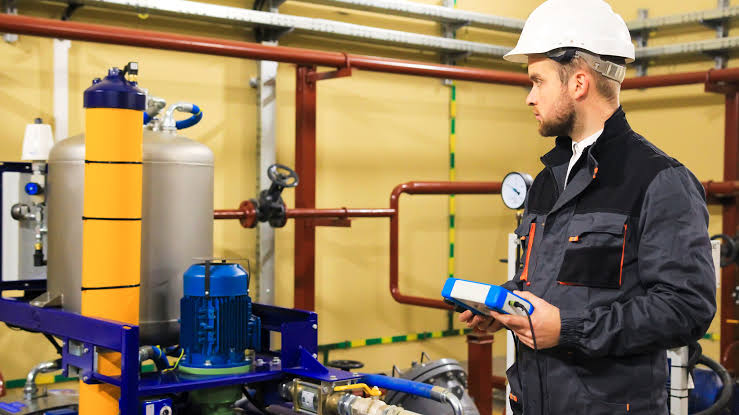
    Instead of relying on additional chemicals, UV systems expose flowing water to a carefully controlled wavelength of ultraviolet light. That light interferes with the DNA of many harmful microorganisms, preventing them from reproducing and significantly reducing their ability to cause problems.

    The process happens almost instantly as water passes through the treatment chamber.

    No waiting.

    No complicated chemical mixing.

    No noticeable change in taste or odor.

    That’s one of the reasons UV technology has become increasingly popular for homes, businesses, restaurants, healthcare facilities, and industrial applications.

    Chemical-Free Protection Appeals to Many People

    One of the biggest advantages of ultraviolet treatment is what it doesn’t add.

    Many traditional treatment methods depend on chemicals to disinfect water. While these methods remain effective in many situations, some people prefer treatment approaches that don’t introduce additional substances into their water supply.

    Using ultra violet technology allows water to be treated without altering its taste, smell, or natural characteristics.

    For homeowners, that often means drinking water that feels fresher.

    For businesses, it can help preserve beverage quality, improve food preparation, and maintain consistency across daily operations.

    Sometimes the best treatment solution is the one customers never even notice.

    UV Systems Work Well Alongside Other Treatments

    It’s important to understand that ultraviolet treatment isn’t designed to solve every water problem by itself.

    UV systems focus specifically on microorganisms.

    They don’t remove sediment, minerals, chlorine, or dissolved contaminants. That’s why they’re often installed alongside sediment filters, carbon filtration systems, or water softeners.

    Think of it as building multiple layers of protection.

    Sediment filtration improves water clarity.

    Carbon filters address taste and odor.

    Water softeners reduce mineral buildup.

    Meanwhile, uv water disinfection adds another safeguard by targeting microorganisms that may still be present.

    Together, these technologies create a more complete treatment solution than any single system could provide alone.

    Homes and Businesses Benefit in Different Ways

    Different properties use water differently, so the benefits naturally vary.

    Homeowners often appreciate the additional confidence that comes from knowing their drinking water receives an extra level of treatment. This is especially valuable for private well owners, where water quality depends entirely on local groundwater conditions.

    Commercial businesses have different priorities.

    Restaurants rely on consistent water for food preparation.

    Healthcare facilities require dependable sanitation standards.

    Hotels want reliable water throughout guest rooms and laundry operations.

    Manufacturing plants often need stable water quality for production processes.

    Although the goals differ, cleaner water supports each of these environments in meaningful ways.

    Maintenance Is Simpler Than Many Expect

    Some people assume advanced water treatment requires constant maintenance.

    Fortunately, UV systems are relatively straightforward.

    Most units require periodic lamp replacement according to manufacturer recommendations and occasional cleaning of the protective quartz sleeve surrounding the lamp. Beyond that, maintenance is generally minimal when systems are installed correctly and paired with appropriate pre-filtration.

    Like any equipment, routine inspections help ensure everything continues operating efficiently.

    Compared to dealing with recurring water quality concerns, many users find this maintenance schedule remarkably manageable.

    Water Quality Is About Prevention, Not Just Correction

    One interesting thing about water treatment is that success often goes unnoticed.

    If a UV system is doing its job properly, people don’t experience dramatic daily changes. They simply continue enjoying clean water with greater confidence.

    That’s actually the goal.

    Good water treatment prevents problems before they occur instead of reacting after something goes wrong.

    This preventive mindset applies to homes, commercial buildings, restaurants, schools, healthcare facilities, and industrial operations alike.

    Investing in prevention usually proves less expensive—and far less stressful—than dealing with avoidable issues later.

    Choosing the Right System Matters

    Not every property requires the same water treatment setup.

    Local water quality, flow rates, water source, plumbing design, and intended water usage all influence which system will deliver the best results.

    That’s why professional water testing is often recommended before selecting treatment equipment.

    Understanding exactly what’s present in the water makes it easier to combine filtration, softening, and ultraviolet treatment in ways that address actual conditions instead of making assumptions.

    A carefully planned system almost always performs better than one chosen purely by guesswork.

    Final Thoughts

    Clean water supports nearly every aspect of daily life, yet it’s something most of us rarely think about until concerns arise. Whether you’re protecting a family home, operating a busy restaurant, managing a healthcare facility, or maintaining commercial equipment, reliable water quality provides benefits that extend far beyond the faucet.

    Ultraviolet treatment offers a practical, chemical-free way to strengthen water safety while preserving the natural characteristics of the water itself. When combined with other appropriate treatment methods, it becomes part of a well-rounded approach to cleaner, more dependable water.

    In the end, the best water systems are the ones that work quietly in the background—providing confidence, consistency, and peace of mind every single day.

  • Why Thoughtful Electrical Planning Makes Commercial Projects Run More Smoothly

    Why Thoughtful Electrical Planning Makes Commercial Projects Run More Smoothly

    Some parts of a building grab all the attention. Glass facades, polished flooring, attractive lobbies, or carefully designed office spaces usually become the talking points once construction is complete. Yet one of the most important investments is hidden behind walls and ceilings, quietly doing its job every single day.

    Electricity powers nearly everything we rely on. Computers, lighting, elevators, heating and cooling systems, security equipment, production machinery, charging stations—even coffee machines. When the electrical infrastructure is planned well, nobody really notices it. And that’s probably the highest compliment an electrical system can receive.

    The truth is, successful buildings don’t happen by chance. They come together because dozens of professionals make smart decisions long before the first occupants arrive. Electrical planning sits right in the middle of that process, connecting every system that keeps a building functional, efficient, and safe.

    Good Decisions Begin Before Construction Starts

    Construction is often viewed as the physical act of putting materials together, but the real work begins much earlier.

    Architects sketch layouts. Engineers calculate structural loads. Owners discuss budgets and long-term goals. Contractors review schedules and logistics. During this stage, electrical planning becomes one of the most valuable conversations taking place.

    Thinking ahead prevents expensive redesigns later.

    Simple questions make a huge difference. How much power will future equipment require? Where should distribution panels be located? Is there enough room for technology upgrades five or ten years from now? Can maintenance teams access critical components easily?

    Finding answers before construction starts almost always saves money and reduces delays.

    Every Building Has Different Priorities

    No two commercial spaces use electricity in exactly the same way.

    A restaurant places heavy demands on kitchen equipment. Hospitals rely on uninterrupted backup power. Warehouses need extensive lighting and equipment flexibility. Schools require dependable technology infrastructure for hundreds of students each day.

    Trying to copy the electrical layout from one project to another rarely produces the best results.

    Instead, experienced professionals evaluate how people will actually use the building once it’s occupied. That practical approach creates spaces that remain functional long after construction is complete.

    The Value of Strong commercial electrical planning

    Successful commercial electrical planning is about much more than deciding where outlets and light switches should go.

    It involves calculating electrical loads, designing distribution systems, preparing for emergency power, supporting communication networks, improving energy efficiency, and allowing room for future expansion.

    Businesses evolve over time.

    Employees increase. Equipment changes. Technology advances. Departments expand into new areas.

    Electrical infrastructure should be flexible enough to grow alongside those changes instead of becoming a limitation.

    Planning for tomorrow while building today often proves to be one of the smartest investments a property owner can make.

    Why Collaboration Matters More Than Most People Think

    Construction projects involve countless moving pieces.

    Electricians work alongside plumbers, HVAC specialists, structural engineers, architects, technology consultants, and interior designers. Every trade depends on clear communication to avoid unnecessary conflicts.

    For example, lighting fixtures need to coordinate with ceiling systems. Electrical conduits must avoid plumbing lines. Mechanical equipment requires dedicated power supplies. Technology rooms need cooling as well as electrical capacity.

    When teams communicate openly from the beginning, small issues are solved before they become expensive construction delays.

    It’s a surprisingly simple idea, yet it has an enormous impact on project success.

    Smart electrical design Creates Better Buildings

    A thoughtful electrical design isn’t only about supplying enough power.

    It’s about making the building comfortable, efficient, and easy to use every single day.

    Lighting should improve productivity without creating glare. Emergency systems must activate instantly during power failures. Electrical panels should remain accessible for maintenance. Backup systems need to support critical operations whenever they’re required.

    Even details like outlet placement influence how comfortable people feel inside a workspace.

    Nobody enjoys stretching extension cords across office floors because there weren’t enough outlets installed during construction.

    The smallest design choices often become the most noticeable once people begin using the building.

    Energy Efficiency Begins Earlier Than Most Owners Realise

    Many people assume energy savings start after construction finishes.

    In reality, they begin during the design phase.

    Choosing efficient lighting, balancing electrical loads, installing occupancy sensors, selecting quality equipment, and planning smarter circuit layouts all reduce operating costs over the life of the building.

    While these decisions may increase construction costs slightly, they frequently deliver savings year after year through lower electricity bills and reduced maintenance requirements.

    That’s why experienced designers often focus on total lifecycle value instead of only initial installation costs.

    Buildings are expected to serve people for decades, not just until the ribbon-cutting ceremony.

    Keeping Future Changes in Mind

    Technology evolves remarkably fast.

    A commercial building completed today may eventually need electric vehicle charging stations, expanded data centres, solar integration, battery storage systems, advanced automation, or equipment that hasn’t even reached the market yet.

    Preparing for those possibilities doesn’t necessarily require installing everything immediately.

    Instead, builders can leave spare conduit, reserve panel capacity, and create flexible pathways that simplify future upgrades.

    That foresight makes renovations faster, less disruptive, and significantly less expensive.

    It’s one of those quiet decisions that owners truly appreciate years later.

    Why Successful project planning Includes Electrical Strategy

    Every construction schedule depends on careful project planning, and electrical work plays an important role throughout the entire process.

    Electrical systems connect with nearly every other trade on site. Delays in one area can easily affect several others.

    That’s why experienced contractors coordinate installation schedules carefully, ensuring materials arrive on time, inspections happen as planned, and different teams have the access they need without interfering with one another.

    Strong planning doesn’t eliminate every challenge, of course. Construction always brings unexpected surprises.

    But organised preparation allows teams to respond quickly instead of reacting under pressure.

    That flexibility often separates projects that stay on schedule from those that struggle with avoidable delays.

    The Quiet Strength Behind Every Great Commercial Space

    People remember beautiful architecture, welcoming interiors, and impressive exterior finishes.

    What they usually don’t notice is the electrical infrastructure making every one of those experiences possible.

    Reliable lighting creates productive workspaces. Stable power keeps businesses operating smoothly. Efficient electrical systems lower long-term costs. Safe installations protect both people and valuable equipment.

    Those benefits don’t happen accidentally.

    They’re the result of careful planning, experienced professionals, thoughtful collaboration, and countless small decisions made throughout the design and construction process.

    When electrical planning receives the attention it deserves from the very beginning, the finished building becomes far more than an attractive structure. It becomes a dependable place where businesses can grow, employees can thrive, and owners can feel confident that the foundation supporting their investment will continue performing well for many years to come.