
Key Points
Most plumbing problems start quietly. A drain takes a little longer to empty. There’s an odd smell near the yard. Maybe a patch of grass suddenly looks greener than the rest. These things are easy to brush off, especially when everything else in the house seems to be working normally. But underground sewer and gas…
Most plumbing problems start quietly. A drain takes a little longer to empty. There’s an odd smell near the yard. Maybe a patch of grass suddenly looks greener than the rest. These things are easy to brush off, especially when everything else in the house seems to be working normally.
But underground sewer and gas lines don’t usually give you many chances to ignore a problem. A small issue can gradually become a major repair if it’s left unattended.
Understanding the warning signs—and knowing when to call a professional—can save homeowners plenty of stress, mess, and money.
Why Underground Lines Deserve Attention
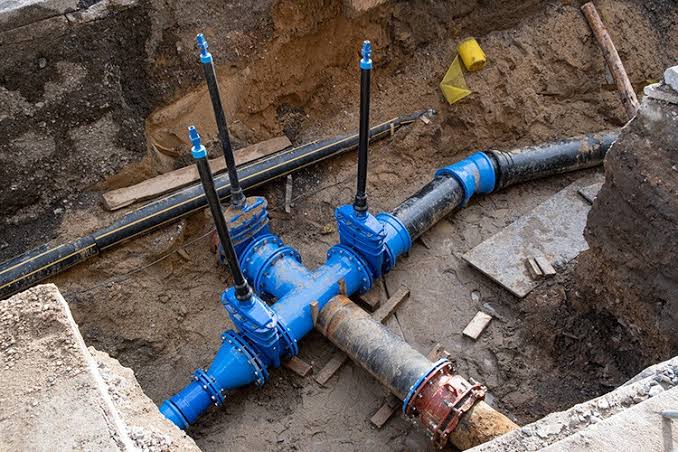
Your home’s sewer and gas lines perform very different jobs, but both are essential. Sewer pipes carry wastewater away from the property, while gas lines deliver fuel to appliances such as furnaces, water heaters, dryers, and stoves.
Because much of this infrastructure is hidden underground or behind walls, problems aren’t always obvious at first. A damaged sewer pipe may continue working for weeks before a serious backup occurs. A gas-line issue can be even more concerning because escaping gas can create a significant safety hazard.
That’s why strange odors, unusual sounds, drainage problems, or unexplained changes around your property shouldn’t simply be ignored.
Common Signs of Sewer Line Trouble
A clogged kitchen sink is one thing. Multiple drains backing up at the same time is another.
When several fixtures begin draining slowly, the problem may be farther down the plumbing system rather than at a single sink or toilet. Other warning signs include recurring backups, gurgling sounds from drains, unpleasant sewage odors, and water pooling in unusual areas of the yard.
Tree roots are another common culprit. Roots naturally seek moisture, and tiny cracks or joints in sewer pipes can provide an easy entry point. Once inside, they can grow and restrict the flow of wastewater.
Older pipes can also crack, collapse, corrode, or become displaced over time.
Why Sewer Line Inspections Matter
When there’s uncertainty about what’s happening underground, sewer line inspections can provide answers without immediately digging up the property.
A professional plumber can use a specialized camera to inspect the inside of the sewer line. The camera helps identify problems such as cracks, root intrusion, blockages, corrosion, collapsed sections, or damaged connections.
This approach can be especially useful when buying an older home. A sewer replacement can be an expensive surprise, and finding out about a deteriorating line before purchasing a property gives you much more information for making a decision.
Inspections can also help determine whether a recurring backup is caused by a simple obstruction or something more serious.
Don’t Ignore Repeated Sewer Backups
It’s tempting to reach for a drain cleaner every time a sink or tub drains slowly. Sometimes that solves a minor blockage. But if the same problem keeps returning, there may be a deeper issue.
Repeated backups can indicate a damaged sewer line, root intrusion, buildup, or a problem with the home’s main sewer connection.
In that situation, treating each blockage as a separate event can become an expensive cycle. A professional inspection may reveal the actual cause and help you choose a longer-term solution.
Gas Line Problems Require Extra Care
Gas plumbing deserves a different level of caution. If you suspect a gas leak, don’t try to locate or repair it yourself.
A strong rotten-egg-like odor, hissing sounds near a gas appliance or pipe, or unexplained changes in gas usage may indicate a problem. Leave the area and contact the appropriate emergency service or qualified gas professional according to local safety guidance.
Gas lines should only be worked on by properly qualified professionals. Improvised repairs can put people and property at serious risk.
When Gas Line Repairs May Be Necessary
Professional gas line repairs may be needed when pipes, fittings, connectors, or other components become damaged, corroded, improperly connected, or otherwise unsafe.
The exact repair depends on the location and severity of the problem. In some cases, a damaged section may need replacement. In others, the issue could involve a fitting or appliance connection.
A qualified technician should inspect the system, identify the source of the problem, and determine the appropriate repair method.
It’s not a good idea to patch, tape, or modify a gas line with household materials. What looks like a quick fix can create a much more dangerous situation.
Choosing Professional Sewer and Gas Services
When searching for sewer and gas line services, homeowners should look beyond the cheapest estimate.
Ask whether the company has experience with the specific type of problem you’re facing. For sewer work, find out whether they use camera inspection equipment and whether they can explain the condition of the pipe clearly.
For gas work, verify that the technician is appropriately qualified and that the company follows applicable local codes and safety requirements.
A trustworthy professional should explain the problem before recommending an expensive repair. You should understand what needs to be fixed, why it’s necessary, and what options are available.
Prevention Can Save You Trouble Later
Not every sewer or gas line problem can be prevented, but regular attention can help catch issues earlier.
Avoid flushing inappropriate materials down toilets, and be careful about what goes into kitchen drains. If you have mature trees near underground sewer lines, keep an eye out for recurring drainage issues.
For gas appliances, follow manufacturer maintenance recommendations and pay attention to unusual odors, noises, or performance changes.
Older properties may also benefit from periodic inspections, particularly before major renovations or property purchases.
Take Small Warning Signs Seriously
Sewer and gas line problems aren’t the kind of household issues worth gambling with. A slow drain may be harmless, but repeated backups could point to a damaged sewer line. A strange gas odor might have a simple explanation, but it should never be dismissed without proper evaluation.
The good news is that modern diagnostic tools make it easier to identify many underground plumbing problems without unnecessary excavation.
Whether you’re dealing with a stubborn sewer backup, planning an inspection for an older property, or concerned about a possible gas-line issue, getting professional advice early can make a big difference.
Sometimes the smartest plumbing decision is simply paying attention when your home starts trying to tell you something.
Related Posts

From Aylesbury to Barking: A First-Time Mover’s Guide to Getting It Right
If this is your first time organising a house move, or simply the…
What Homeowners Should Know About Water Quality Standards and Treatment
Water quality is one of those subjects that can feel complicated until it…
What Your Water Is Leaving Behind: Understanding Hard Water at Home
Water is supposed to make life easier. We drink it, cook with it,…
