
Key Points
Water is supposed to make life easier. We drink it, cook with it, shower in it, wash clothes with it, and use it to keep the house clean. So when water itself starts creating messes, it can feel a little backwards. White spots appear on glasses. Faucets develop a crusty ring. The showerhead doesn’t seem…
Water is supposed to make life easier. We drink it, cook with it, shower in it, wash clothes with it, and use it to keep the house clean. So when water itself starts creating messes, it can feel a little backwards.
White spots appear on glasses. Faucets develop a crusty ring. The showerhead doesn’t seem to spray quite as well as it used to. Maybe your soap refuses to lather properly, or the laundry comes out feeling oddly stiff.
These are some of the everyday signs associated with hard water, a common household water condition caused mainly by dissolved minerals such as calcium and magnesium.
Hard water isn’t usually considered a health emergency, but it can certainly be a household nuisance. More importantly, understanding it can help you decide whether treatment is worthwhile — and what kind of treatment actually makes sense.
What Exactly Is Hard Water?
Water becomes hard when it picks up minerals as it travels through soil and rock. Calcium and magnesium are the main contributors.
The amount can vary significantly depending on where you live and where your water comes from. Some municipal supplies are relatively soft, while others contain considerable mineral content. Private well water can be especially variable because it interacts directly with local geology.
You may not notice anything unusual when you first pour a glass. Hardness is often more obvious after the water dries or gets heated.
That’s when those familiar white deposits start showing up.
Why Mineral Scale Appears Everywhere
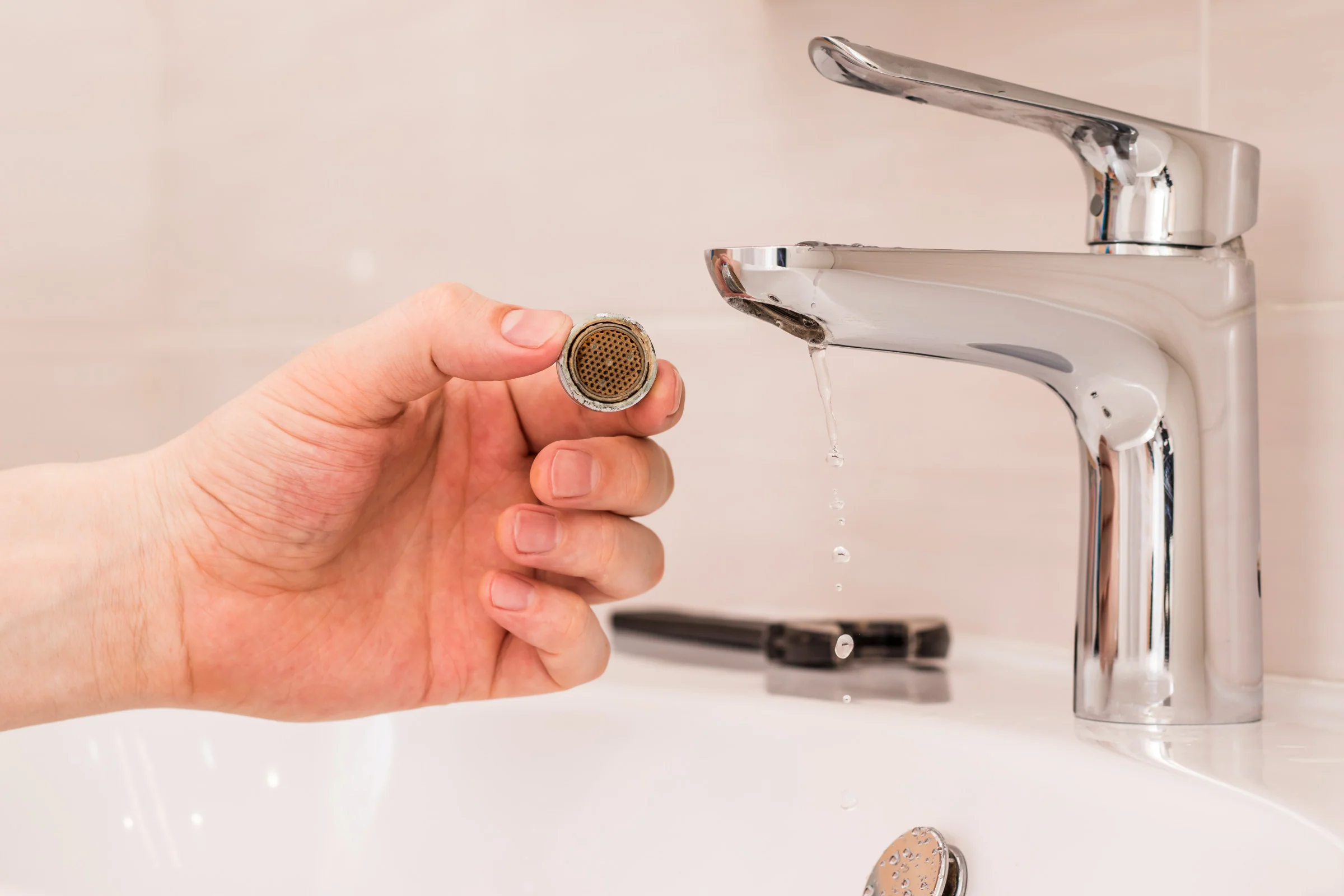
When hard water evaporates, minerals can remain behind. Over time, this creates scale buildup on fixtures and inside plumbing components.
A little buildup might seem harmless. After months or years, though, it can become a stubborn problem.
Showerheads may develop blocked spray openings. Faucet aerators can become restricted. Water heaters can collect mineral deposits around heating elements or inside the tank. Dishwashers and coffee machines may also be affected.
The more frequently water is heated, the more noticeable scale can become.
This doesn’t mean every household with hard water needs an expensive treatment system. But if you’re constantly cleaning mineral deposits or dealing with appliance problems, it’s worth investigating.
Hard Water Can Make Cleaning More Frustrating
One of the most noticeable effects of hard water happens during cleaning.
Soap and detergents don’t behave exactly the same way in mineral-rich water. You may find yourself using more product to get the result you expect. Soap residue can also contribute to the dull film sometimes seen on shower doors, sinks, and bathtubs.
Laundry can be another source of frustration. Clothes may feel less soft or appear dull over time, particularly when washing conditions aren’t adjusted for the water hardness.
It’s one of those issues that’s easy to dismiss because no single event seems dramatic. But add up the extra cleaning, product use, and maintenance over several years, and it becomes more noticeable.
How Hard Water Affects Appliances
Your appliances probably don’t complain, but they do notice what’s happening.
Water heaters, washing machines, dishwashers, humidifiers, ice makers, and other water-using equipment can be exposed to mineral deposits.
In a water heater, scale can accumulate where water is heated. That buildup may reduce efficiency and increase maintenance requirements. Small passages in appliances can also become restricted when deposits accumulate.
This is one reason homeowners sometimes consider water softening even when they aren’t particularly bothered by the taste of their water.
The goal isn’t necessarily to change drinking water. It can also be about protecting equipment and reducing maintenance.
Testing Helps You Understand the Problem
You can’t reliably judge hardness by looking at a glass of water.
A water test can measure hardness and provide a clearer picture of what you’re dealing with. Testing is particularly helpful for private well owners, since groundwater chemistry can vary over time.
It’s also worth remembering that hardness is only one part of overall water quality. Water may contain other substances that aren’t related to hardness at all.
That’s why choosing treatment based on a test is generally smarter than purchasing equipment based solely on symptoms.
If a professional recommends a system, ask what the test showed and what the proposed equipment is designed to address. A good provider should be able to explain the reasoning in plain English.
What Can Be Done About Hard Water?
The most common treatment for significant household hardness is a water softener.
Water softeners typically use ion exchange to reduce calcium and magnesium. When properly sized and maintained, they can help reduce scale and make water easier to work with around the house.
You might notice fewer deposits on faucets, less scale inside fixtures, and easier soap rinsing.
There are also alternative approaches marketed for scale control, but their effectiveness and purpose can differ from conventional softening. It’s worth understanding exactly what a system does before buying it.
And remember: a softener isn’t a universal water purifier. It primarily addresses hardness.
Is a Water Softener Right for Every Home?
Not necessarily.
If your water is only mildly hard and you aren’t experiencing meaningful problems, you may decide that treatment isn’t worth the cost.
For households with significant scale, appliance concerns, or persistent cleaning problems, the investment may make more sense.
The decision should consider water hardness, household size, water usage, installation cost, ongoing maintenance, and local water conditions.
If you’re using well water, it’s especially important to test before choosing equipment. Hardness may be only one of several issues requiring attention.
Don’t Forget About Maintenance
If you install a water softener or other treatment equipment, maintenance becomes part of the deal.
Softener systems may require salt or another regeneration material depending on the design. Filters need replacing. Tanks and connections should be inspected periodically.
Neglecting maintenance can reduce system performance and make the original investment less useful.
A simple calendar reminder is often enough. It doesn’t have to become another complicated household chore.
Living With Better Water
Hard water is one of those problems that can sit quietly in the background for years. Then one day you look at the showerhead and wonder how it got so crusty.
The good news is that it’s usually manageable.
Start by testing your water and understanding the hardness level. Look at how it’s affecting your fixtures, appliances, cleaning routine, and overall household experience. Then decide whether treatment is justified.
You don’t need to chase perfectly mineral-free water. You simply want water that works well for your household.
Once you understand what’s causing those spots, deposits, and stubborn cleaning problems, the solution becomes much less mysterious. And sometimes, that’s half the battle.
Related Posts

From Aylesbury to Barking: A First-Time Mover’s Guide to Getting It Right
If this is your first time organising a house move, or simply the…
What Homeowners Should Know About Water Quality Standards and Treatment
Water quality is one of those subjects that can feel complicated until it…
What Homeowners Should Know About Sewer and Gas Line Problems
Most plumbing problems start quietly. A drain takes a little longer to empty.…
