
Key Points
Clean, reliable water is one of those things most homeowners barely think about until something goes wrong. A strange taste shows up in the kitchen. Water pressure drops. A faucet starts making an odd noise, or suddenly there’s a stubborn white ring around the sink. These little signs can be easy to ignore, but they…
Clean, reliable water is one of those things most homeowners barely think about until something goes wrong. A strange taste shows up in the kitchen. Water pressure drops. A faucet starts making an odd noise, or suddenly there’s a stubborn white ring around the sink. These little signs can be easy to ignore, but they often point to a water system that needs attention.
Whether you have a water softener, filtration system, reverse osmosis unit, or another type of home water treatment equipment, keeping it in good condition is less complicated than it sounds. The trick is knowing what needs replacing, what needs regular care, and what problems shouldn’t be left to chance.
Why Water Equipment Needs Regular Attention
Water treatment equipment works quietly in the background every day. That means filters collect sediment, seals experience wear, valves open and close repeatedly, and mineral deposits can gradually build up inside components.
Even a high-quality system isn’t completely maintenance-free.
Think of it like your car. You wouldn’t expect to drive for years without changing the oil or replacing worn components. Water equipment deserves much the same approach. A little attention at the right time can prevent a much bigger headache later.
Routine inspections can also help homeowners spot problems before they become expensive. A small leak around a connection, for instance, may seem harmless today. Left alone, it could eventually damage cabinets, flooring, or nearby equipment.
Choosing the Right Parts Matters
When a component wears out, replacing it with the cheapest available option isn’t always the smartest move. Water systems are designed around specific pressures, connections, flow rates, and filtration requirements. A part that looks similar might not actually perform the same way.
That’s why quality replacement parts & accessories are important when repairing or upgrading a water treatment system. The right cartridge, valve, connector, membrane, seal, or fitting can help the system operate as intended instead of creating another problem down the road.
It’s also worth checking compatibility before ordering anything. Homeowners sometimes assume that because two filters look alike, they’ll work in the same housing. Not necessarily. Manufacturer specifications, model numbers, dimensions, and water-flow requirements can all matter.
If you’re uncertain, getting advice from a qualified technician is usually cheaper than buying the wrong component twice.
Maintenance Is About More Than Changing Filters
Filter replacement gets most of the attention, and for good reason. A clogged or exhausted filter can reduce flow and affect water quality. But there’s more to keeping a water treatment system healthy.
Professional service & maintenance may include checking connections, inspecting valves, testing system performance, cleaning components, examining pressure levels, and identifying early signs of wear.
The exact schedule depends on the equipment and the quality of the incoming water. Homes using well water, for example, may have different maintenance needs than homes connected to a municipal supply.
A maintenance visit can also answer a question homeowners often overlook: Is the system still doing what it was designed to do?
A unit may still be running, but that doesn’t automatically mean it’s performing efficiently. Changes in water pressure, taste, odor, flow, or filter life can all provide useful clues.
The Hidden Problem With Hard Water
Hard water is common in many areas, and it can be surprisingly persistent. It contains dissolved minerals, mainly calcium and magnesium. Those minerals aren’t usually something you notice while filling a glass, but they’re much easier to spot around faucets, showerheads, appliances, and plumbing fixtures.
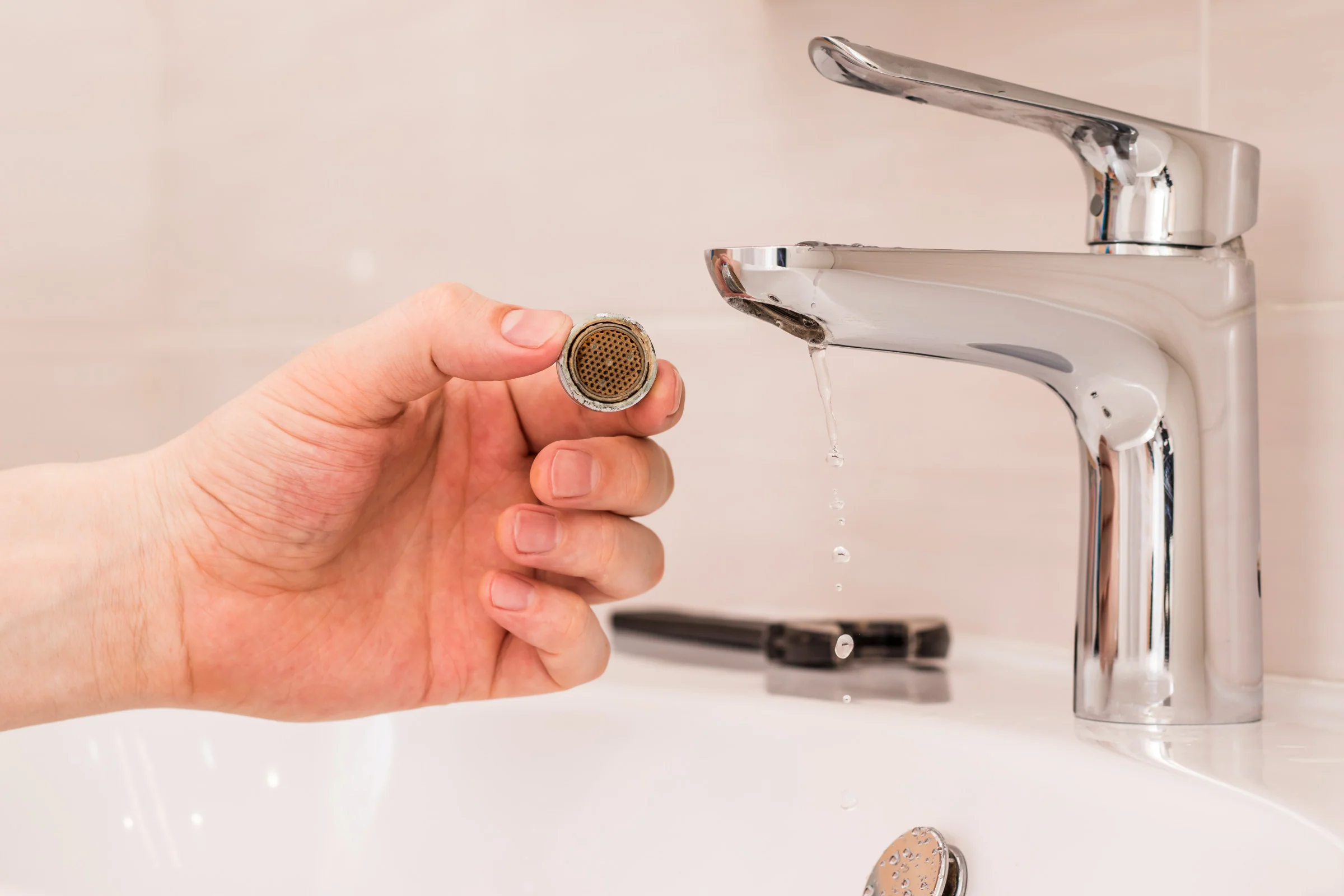
Over time, hard water & scale buildup can become more than a cosmetic nuisance. Mineral deposits may restrict water flow, reduce the efficiency of water heaters, and make fixtures harder to clean.
You might notice cloudy glassware after washing dishes or a rough, chalky layer around the shower. Soap may also struggle to rinse away properly, leaving skin feeling dry or surfaces looking dull.
A water softener can help address hardness by reducing the minerals responsible for these problems. But even a softening system needs proper settings, maintenance, and periodic checks to work effectively.
Signs Your System May Need Attention
Your water system usually gives you clues before it completely fails. You just have to notice them.
Some common warning signs include:
- A sudden drop in water pressure
- Unusual tastes or odors
- Filters becoming clogged sooner than expected
- Water leaking around fittings or housings
- Increased mineral deposits on fixtures
- Changes in the regeneration cycle of a softener
- Strange noises coming from the equipment
- Water that looks cloudy or unusual
None of these symptoms should automatically cause panic. Sometimes the solution is as simple as replacing a filter or tightening a connection. Other times, the issue may involve a valve, membrane, pump, or internal component.
The important thing is not to keep guessing when the problem persists.
Don’t Forget About Drinking Water Systems
Point-of-use systems, particularly reverse osmosis units, need their own maintenance routine. These systems can provide excellent drinking water, but filters and membranes have a service life.
A neglected RO system may experience slower production, unpleasant taste, or reduced performance. The storage tank and fittings should also be checked periodically, especially if the system has been installed for several years.
Because drinking-water equipment directly affects the water your household consumes, following the manufacturer’s recommended replacement schedule is a sensible habit. Waiting until water tastes bad isn’t always the best indicator that a filter needs changing.
Professional Help Can Save Time
There are plenty of water-system tasks a homeowner can handle. Replacing an accessible filter is often straightforward. Checking for obvious leaks is sensible, too.
More complicated repairs are a different story.
If a system is leaking internally, losing pressure repeatedly, failing to regenerate, or producing water that doesn’t meet expectations, professional diagnosis can save a lot of trial and error. A technician can assess the entire setup rather than focusing on one symptom.
That’s especially useful when multiple components work together. Changing one part without understanding the underlying issue may temporarily mask the problem while another component continues to deteriorate.
A Little Care Goes a Long Way
Water treatment isn’t something you need to obsess over. In fact, the best systems are designed to make life easier, not add another chore to your weekly routine.
Still, paying attention to small changes can make a real difference. Replace filters when required, keep an eye on leaks and mineral deposits, follow equipment guidelines, and arrange professional service when something doesn’t seem right.
Most importantly, don’t wait for a minor issue to become a major repair. Water equipment works hard every day, quietly protecting your home’s plumbing, appliances, and water quality. Give it a little attention in return, and it can continue doing its job reliably for years to come.
Related Posts

From Aylesbury to Barking: A First-Time Mover’s Guide to Getting It Right
If this is your first time organising a house move, or simply the…
What Homeowners Should Know About Water Quality Standards and Treatment
Water quality is one of those subjects that can feel complicated until it…
What Your Water Is Leaving Behind: Understanding Hard Water at Home
Water is supposed to make life easier. We drink it, cook with it,…
