Category: Home Services

  • Luxury Marble Bathroom Tile: The Perfect Choice for Elegant and Timeless Bathrooms

    Luxury Marble Bathroom Tile: The Perfect Choice for Elegant and Timeless Bathrooms

    Transform Your Bathroom with Luxury Marble Bathroom Tile

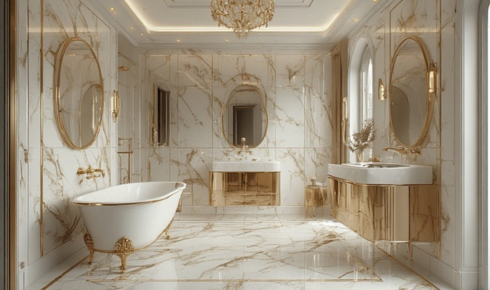
    A bathroom should be more than just a functional space—it should feel like a personal retreat. Choosing luxury marble bathroom tile is one of the best ways to create a sophisticated and relaxing atmosphere. Marble has been admired for centuries because of its natural beauty, unique veining, and premium appearance. Whether you prefer a modern spa-inspired design or a traditional luxury aesthetic, marble tiles instantly elevate the look of any bathroom.

    Why Marble Tiles Are a Premium Choice

    Marble is a natural stone that combines beauty with durability. Every slab features distinctive patterns, ensuring no two bathrooms look exactly alike. Unlike synthetic materials, marble offers a luxurious finish that never goes out of style. Homeowners, architects, and interior designers frequently select marble because it enhances both residential and commercial spaces while increasing overall property value.

    A Wide Variety of Colors and Patterns

    One of the biggest advantages of marble bathroom tiles is the extensive range of colors available. White marble creates a clean and spacious appearance, while black marble delivers bold elegance. Beige, grey, green, and cream varieties offer warm and inviting aesthetics.

    Popular marble choices include:

    • Carrara Marble
    • Calacatta Marble
    • Statuario Marble
    • Emperador Marble
    • Nero Marquina Marble
    • Green Marble

    Each type features unique natural veins that make every installation exclusive.

    Creates a Spa-Like Environment

    Many luxury hotels and wellness spas use marble because it creates a calm, relaxing atmosphere. Installing marble bathroom tile helps transform an ordinary bathroom into a luxurious retreat. Pair marble with warm lighting, frameless glass showers, and modern fixtures to achieve an elegant spa-inspired design that feels peaceful every day.

    Excellent Durability for Long-Term Performance

    When properly installed and maintained, marble tiles can last for decades. They resist daily wear and maintain their sophisticated appearance over time. Although marble is softer than granite, routine sealing protects it from moisture, stains, and everyday bathroom use.

    Regular maintenance ensures your marble continues looking polished and beautiful for years.

    Perfect for Floors and Walls

    Marble tiles are incredibly versatile and work beautifully throughout the bathroom. They can be installed on:

    • Bathroom floors
    • Shower walls
    • Feature walls
    • Vanity backsplashes
    • Bathtub surrounds
    • Accent niches

    Using the same marble throughout the room creates a seamless, luxurious appearance while making smaller bathrooms appear larger.

    Natural Beauty That Never Goes Out of Style

    Unlike trendy materials that eventually become outdated, marble has remained a symbol of luxury for centuries. Its timeless appeal complements both classic and contemporary interiors. Whether your bathroom features minimalist décor or ornate finishes, marble blends effortlessly with almost any design style.

    Increases Property Value

    Luxury finishes often attract potential buyers, and marble is among the most desirable materials in real estate. Investing in marble bathroom tiles can improve your home’s resale appeal because buyers associate natural stone with premium quality and long-lasting value.

    A beautifully designed marble bathroom often becomes one of the strongest selling points of a property.

    Available in Multiple Finishes

    Marble tiles are available in several finishes to suit different bathroom styles and safety requirements.

    Common finishes include:

    • Polished
    • Honed
    • Matte
    • Brushed
    • Tumbled

    Polished marble reflects light beautifully, while honed finishes provide better slip resistance for wet areas.

    Easy to Pair with Modern Fixtures

    Marble complements virtually every bathroom fixture and accessory. It pairs exceptionally well with:

    • Gold faucets
    • Matte black hardware
    • Chrome fixtures
    • Wooden vanities
    • Glass shower enclosures
    • Floating cabinets

    This flexibility allows homeowners to create personalized luxury interiors without design limitations.

    Maintenance Tips for Marble Bathroom Tiles

    Although marble requires a little care, maintaining its beauty is straightforward.

    Helpful maintenance practices include:

    • Seal the marble regularly.
    • Clean using pH-neutral stone cleaners.
    • Wipe away standing water after showers.
    • Avoid harsh acidic chemicals.
    • Use soft microfiber cloths for cleaning.

    These simple habits preserve both the shine and durability of natural marble.

    Choosing the Right Marble Design

    Before selecting marble tiles, consider your bathroom’s size, lighting, and overall style. Large-format tiles reduce grout lines and create a spacious appearance. Lighter marble works well in compact bathrooms, while darker varieties make larger spaces feel dramatic and luxurious.

    Professional installation ensures proper alignment of natural veins for a visually stunning finish.

    Eco-Friendly and Sustainable Material

    Marble is a naturally occurring stone that requires less chemical processing than many manufactured alternatives. Its long lifespan also reduces replacement frequency, making it an environmentally responsible investment for homeowners seeking sustainable luxury.

    Conclusion

    Choosing luxury marble bathroom tile is an investment in elegance, durability, and timeless beauty. From luxurious hotel-inspired bathrooms to modern residential interiors, marble continues to be one of the most sought-after natural materials worldwide. Its unique veining, premium appearance, and exceptional versatility make it suitable for floors, walls, showers, and decorative accents. With proper care and professional installation, marble tiles provide lasting value while transforming any bathroom into a sophisticated space that remains stylish for generations.
  • When Old Pipes Start Affecting the Comfort of Home

    When Old Pipes Start Affecting the Comfort of Home

    The Plumbing Problem Most People Don’t See Coming

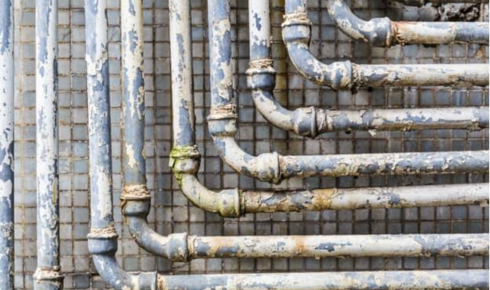
    A home can look perfectly fine from the outside while the plumbing behind the walls is slowly wearing out. That’s the tricky part. Pipes don’t usually announce their age in one dramatic moment. They give small signs first — a weak shower, a rusty tint in the water, a leak under the sink that comes back again after repair.

    For many homeowners, plumbing is easy to ignore until it becomes urgent. And honestly, that’s understandable. Nobody wakes up excited to think about water lines and fittings. But the condition of your pipes affects daily comfort more than most people realise.

    Every shower, every load of laundry, every glass of water depends on a system that needs to be reliable.

    Why Pipes Wear Down Over Time

    Even good plumbing materials have a lifespan. Water pressure, minerals, temperature changes, soil movement, corrosion, and simple age can all take a toll. In older homes, pipes may have served faithfully for decades, but eventually they begin to lose efficiency.

    Some pipes narrow from buildup inside. Others weaken around joints. Certain older materials are more likely to corrode or develop leaks. When that happens, homeowners may notice small changes before anything serious occurs.

    The problem is that those changes often become part of normal life. You get used to the slow faucet. You accept that one bathroom has poor pressure. You wipe up the occasional drip and move on.

    But plumbing problems rarely stay small forever.

    When Repairs Are No Longer Enough

    A single leak may not mean the whole system needs attention. Sometimes a fitting fails, a washer wears out, or a pipe section needs a simple fix.

    But repeated repairs tell a different story. If one leak is fixed and another appears somewhere else, the issue may not be bad luck. It may be aging plumbing reaching the end of its dependable life.

    This is where professional repiping becomes worth discussing. It is not just about replacing pipes for the sake of it. It is about solving the underlying problem instead of constantly patching symptoms.

    A skilled plumber can inspect the system, identify weak points, and recommend whether targeted repairs or a more complete upgrade makes better financial sense.

    Water Quality Can Be a Warning Sign

    Plumbing is not only about flow and pressure. It can also affect what comes out of the tap.

    Rusty, cloudy, metallic-tasting, or foul-smelling water may indicate internal corrosion, sediment buildup, or problems with older pipes. These issues can be especially concerning when they appear across multiple fixtures.

    Homeowners often start thinking about filtration when they notice water changes, and sometimes that helps. But filters cannot always solve problems caused by deteriorating pipes.

    That is why water quality concerns should be taken seriously. The source of the problem matters. If the water is being affected after it enters the home, the plumbing system itself may need attention.

    Testing and professional inspection can help determine whether the issue comes from the supply, the water heater, or the pipes.

    The Role of Pipe Replacement in Home Protection

    Many homeowners delay plumbing upgrades because they worry about mess, cost, and disruption. That is fair. Replacing pipes sounds like a major project.

    Still, modern pipe replacement is often more organized than people expect. Experienced plumbers plan the work carefully, protect the home, and aim to minimize wall openings where possible.

    The bigger benefit is long-term reliability. New piping can improve water pressure, reduce leak risk, and give homeowners more confidence in the system behind the walls.

    It can also help protect flooring, drywall, cabinets, and personal belongings from water damage. A burst or hidden leak can be far more disruptive than a planned plumbing upgrade.

    How Better Plumbing Improves Daily Life

    People often notice the difference after old pipes are replaced. Showers feel stronger. Faucets fill pots faster. Appliances receive a more consistent water supply. The whole home simply works better.

    These are not luxury improvements. They are practical comforts.

    A reliable plumbing system makes daily routines smoother. Parents can run laundry while someone showers. Kitchens function better during busy mornings. Guests can use bathrooms without the homeowner worrying about weak pressure or strange water color.

    There is also peace of mind. Once aging pipes are replaced, homeowners no longer have to wonder where the next leak might appear.

    Planning Before a Remodel

    Repiping is especially worth considering before major renovations. If a kitchen or bathroom is already being remodeled, it may be the perfect time to inspect and update old plumbing.

    Installing beautiful tile, new cabinets, or expensive flooring over aging pipes can be risky. If a hidden pipe fails later, that new work may need to be opened up again.

    A little planning can prevent a lot of regret.

    Before starting any remodel, homeowners should ask whether the plumbing behind the walls is still in good condition. It is not the most exciting part of a project, but it may be one of the smartest.

    Choosing the Right Plumbing Professional

    Repiping and replacement work should not be treated casually. The right professional will assess the home carefully, explain options clearly, and recommend materials suited to the property’s needs.

    They should also discuss water pressure, access points, expected timelines, and what areas of the home may be affected during work. Clear communication matters because plumbing upgrades involve both technical skill and trust.

    Homeowners should feel comfortable asking questions. What materials will be used? How long should the new system last? Will walls need repair afterward? Are permits required?

    A good plumber will not rush those conversations.

    A Healthier Home Starts Behind the Walls

    Old pipes can quietly affect comfort, safety, and confidence. They may reduce pressure, cause repeated leaks, or create water quality problems that no homeowner wants to ignore.

    Taking action early is usually better than waiting for an emergency. Whether the solution is a small repair, partial replacement, or a complete repiping project, understanding the condition of your plumbing helps protect the home.

    At the end of the day, good plumbing should be something you barely think about. Water flows cleanly, fixtures work properly, and the house feels dependable.

    That quiet reliability is not flashy, but it is one of the best comforts a home can offer.

  • Why Water Quality Has Become a Serious Business Priority

    Why Water Quality Has Become a Serious Business Priority

    Water is one of those things businesses rely on constantly but rarely talk about unless something goes wrong. A restaurant notices cloudy glassware. A manufacturing facility deals with repeated equipment maintenance. A hotel receives complaints about dry skin or odd-tasting tap water. At first, these issues seem unrelated. Different departments blame different causes.

    Then eventually someone traces the problem back to the same source — the water itself.

    And honestly, that realization is becoming more common across industries than many people realize.

    For years, businesses often viewed water treatment as a behind-the-scenes technical issue handled quietly by maintenance teams. Now it’s becoming part of bigger conversations around operational efficiency, customer experience, sustainability, and long-term cost management.

    Because water touches almost everything.

    Water Quality Impacts More Than Drinking Water

    When people think about water quality, they usually picture drinking water first. But in commercial and industrial settings, water affects far more than what comes out of the breakroom faucet.

    It influences cleaning systems, machinery, manufacturing consistency, sanitation standards, cooling systems, food preparation, and equipment lifespan. Even employee comfort and customer perception can be affected by poor-quality water in subtle ways.

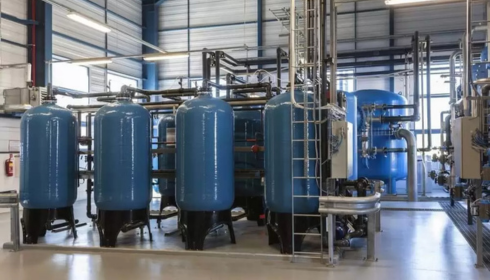
    That’s why many businesses are investing more heavily in advanced filtration and purification systems designed specifically for their operational needs.

    Different industries obviously require different solutions. Hotels may focus on guest comfort and laundry performance. Restaurants care deeply about taste consistency and equipment protection. Manufacturing facilities often prioritize precision and machinery reliability.

    The common thread across all of them is simple: untreated water quietly creates problems over time.

    Every Industry Has Its Own Water Challenges

    One interesting thing about commercial water treatment is how customized it tends to be.

    A healthcare facility faces completely different concerns than a brewery or automotive plant. A food production company requires different standards than an office building or data center. Even geographic location changes the equation because municipal water conditions vary significantly from region to region.

    That’s where specialized systems designed for commercial applications become so important. Instead of generic filtration, businesses increasingly rely on targeted solutions built around their exact operational requirements.

    For example, some facilities mainly need sediment reduction and chlorine removal. Others require ultra-pure water for technical processes. Some businesses struggle with hard water scale damaging expensive equipment.

    There’s no universal setup because the problems themselves aren’t universal.

    And honestly, that’s why professional water analysis matters so much before installing anything. Guessing usually leads to wasted money or incomplete solutions.

    Equipment Suffers More Than Most Companies Realize

    One of the biggest hidden costs of untreated water is gradual equipment damage.

    Mineral deposits accumulate inside boilers, pipes, cooling towers, dishwashers, steam systems, and industrial machinery over time. Efficiency slowly declines. Energy usage rises. Maintenance calls become more frequent. Parts fail earlier than expected.

    The frustrating part is that the damage often develops quietly.

    A machine rarely stops working overnight because of poor water quality. Instead, performance slowly deteriorates month after month until replacement becomes necessary far sooner than planned.

    That’s one reason industrial water treatment has become such a major operational focus in manufacturing and large-scale facilities. Proper treatment systems help stabilize water quality before it enters sensitive equipment, reducing scale buildup, corrosion, and contamination risks.

    And in industries where downtime costs thousands of dollars per hour, prevention becomes far cheaper than constant repairs.

    Water Quality Also Affects Product Consistency

    This part sometimes gets overlooked outside manufacturing industries, but it matters enormously.

    Water directly impacts product quality in food production, beverage manufacturing, pharmaceuticals, cosmetics, electronics, and countless other sectors. Even small variations in mineral content or impurities can affect consistency from batch to batch.

    Think about coffee shops for a moment. Two cafés may use identical beans and equipment, yet the drinks taste different because the water chemistry differs. The same principle applies across larger industrial operations too.

    That’s why processes involving mineral removal are so important in many production environments. Removing excess dissolved solids and unwanted minerals helps create more stable, predictable outcomes during manufacturing and processing.

    In technical industries, consistency is everything.

    And honestly, customers notice inconsistencies faster than companies sometimes realize. Taste changes, residue buildup, appearance issues, and performance differences all quietly shape brand perception over time.

    Sustainability Is Becoming Part of the Conversation Too

    Another major reason businesses are investing in water treatment now is sustainability pressure.

    Companies are under increasing pressure to reduce waste, improve efficiency, and manage resources more responsibly. Advanced treatment systems can help reduce water consumption, minimize chemical use, and improve recycling or reuse processes in certain industries.

    For example, properly treated water often extends equipment lifespan and reduces energy demands caused by scale buildup. Some facilities are able to reclaim and reuse portions of treated water instead of constantly drawing new supply.

    Those operational improvements matter financially, but they also support environmental goals many companies now prioritize publicly.

    And honestly, consumers pay attention to that stuff more than they used to.

    Better Water Quietly Improves Workplace Experience

    Not every benefit of water treatment is technical or financial.

    Employees notice when breakroom water tastes unpleasant. Customers notice spotting on dishes or strange-tasting beverages. Hotel guests notice dry skin after showers. These things sound minor individually, but together they shape how people experience a business.

    Improved water quality quietly improves comfort across the board.

    Coffee tastes better. Cleaning becomes easier. Fixtures stay cleaner longer. Equipment runs more reliably. Staff deal with fewer maintenance frustrations. Daily operations simply feel smoother.

    That’s probably why water treatment systems are increasingly viewed less as optional infrastructure and more as long-term operational investments.

    The Best Systems Usually Go Unnoticed

    Ironically, when water treatment works properly, nobody talks about it much.

    Machines run consistently. Water tastes clean. Products remain reliable. Customers stay comfortable. Operations continue without constant interruptions.

    And honestly, that’s probably the point.

    Water supports almost every industry in ways people barely think about until something fails. Investing in proper treatment isn’t really about flashy technology or complicated systems. It’s about creating reliability behind the scenes so everything else can function properly day after day.

    Quietly, efficiently, and without unnecessary problems getting in the way.

  • When Your Home Finally Feels Right: The Overlooked Details Behind HVAC Comfort

    When Your Home Finally Feels Right: The Overlooked Details Behind HVAC Comfort

    There’s a certain moment—you’ve probably felt it—when your home just clicks. The temperature feels steady, the air isn’t heavy or dry, and you’re not constantly fiddling with the thermostat like it owes you something. It’s not dramatic, just… right.

    And oddly enough, that feeling usually comes down to a bunch of small things working together quietly in the background. HVAC systems are like that. When they’re doing their job well, they almost disappear. But when something’s even slightly off, you notice it in ways you can’t quite explain.

    Why the Small Components Matter More Than You Think

    It’s easy to assume that if your system turns on, everything must be fine. But HVAC systems are a bit more layered than that. They’re made up of multiple parts, each playing its own role—and when one starts to wear out, it can throw everything slightly out of sync.

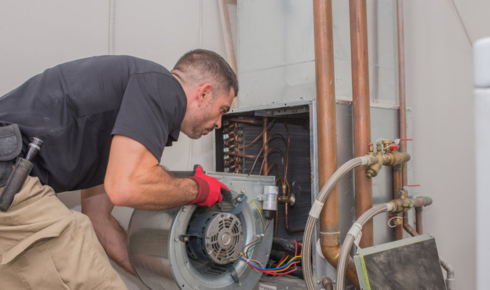
    That’s where air handler parts replacement becomes more important than most homeowners realize. The air handler is responsible for circulating air throughout your space, and inside it are components like blowers, coils, and filters that need to function properly for the system to perform well.

    A worn-out blower motor, for example, might still run—but not efficiently. You’ll get weaker airflow, uneven temperatures, and a system that works harder than it should. Over time, that strain can lead to bigger issues.

    Replacing these parts at the right time isn’t about over-maintaining your system. It’s about keeping everything balanced so you’re not dealing with small frustrations that slowly pile up.

    The Quiet Goal: Making Systems Work Smarter, Not Harder

    There’s a bit of a misconception that a powerful HVAC system automatically means better comfort. But that’s not always the case. Sometimes, it’s not about power—it’s about how well everything is working together.

    Achieving efficient system operation is less about turning things up and more about fine-tuning. It’s about making sure airflow is consistent, components are clean, and the system isn’t overcompensating for hidden issues like leaks or blockages.

    I’ve seen homes where the AC runs almost constantly, yet the space never quite cools down evenly. And then, with a few adjustments—cleaning coils, sealing ducts, or calibrating the system—the difference is immediate.

    It’s a reminder that efficiency isn’t just about saving energy (though that’s a nice bonus). It’s about creating a home environment that feels steady and predictable, without the system constantly playing catch-up.

    When Expertise Makes All the Difference

    Let’s be honest—most of us don’t really understand the inner workings of HVAC systems. And that’s okay. You shouldn’t have to.

    But that’s exactly why working with professional technicians matters. Not just someone who can fix what’s broken, but someone who can explain what’s happening in a way that actually makes sense.

    A good technician doesn’t rush through the job. They take a moment to observe, to ask questions, to understand how your system has been behaving. Sometimes, what seems like a major issue turns out to be something surprisingly simple. Other times, a small symptom points to a deeper problem.

    And that kind of insight? It’s what prevents repeat issues. It’s what turns a quick fix into a lasting solution.

    There’s also a level of trust involved. You’re relying on someone to handle a system that directly affects your comfort, your energy bills, even your day-to-day routine. That’s not something to take lightly.

    The Things We Tend to Ignore (Until We Can’t)

    It’s funny how we treat HVAC problems. If something stops working completely, we act fast. But if it’s just “not quite right,” we tend to let it slide.

    Maybe the airflow is weaker than usual. Maybe one room is always a bit warmer. Maybe there’s a faint noise you’ve started to tune out.

    These things don’t feel urgent. But they’re often early signs—little hints that your system needs attention.

    Ignoring them doesn’t make them go away. It just gives them time to grow into something bigger, something harder (and more expensive) to fix.

    And honestly, it’s rarely worth the wait. A quick check-up can save you from a much bigger headache later.

    Comfort Isn’t a One-Time Setup

    One of the biggest misconceptions about HVAC systems is that once they’re installed, the job is done. Set the temperature, forget about it, and everything should stay perfect.

    But real comfort doesn’t work that way. It shifts with the seasons, with how you use your space, even with changes in your home over time.

    Maybe you’ve added new furniture that affects airflow. Maybe insulation has settled. Maybe the system itself is just aging.

    These changes are subtle, but they matter. And staying comfortable means adjusting, maintaining, and occasionally upgrading parts of your system to keep everything running smoothly.

    A Final Thought: Comfort Is in the Details

    At the end of the day, comfort isn’t something you notice when it’s working—it’s something you notice when it’s not.

    It’s the difference between constantly adjusting your thermostat and forgetting it even exists. Between rooms that feel inconsistent and a home that feels balanced.

    And more often than not, that difference comes down to the details. The condition of your components. The efficiency of your system. The expertise of the people maintaining it.

    When all of those pieces come together, something interesting happens.

    Your HVAC system fades into the background, quietly doing its job. And you get to enjoy your space without thinking twice about it.

    Which, if you think about it, is exactly how it should be.

  • Why Your Water Feels Different Than It Used To (And What It Might Mean for Your Home)

    Why Your Water Feels Different Than It Used To (And What It Might Mean for Your Home)

    There’s a certain rhythm to everyday life—turn on the tap, fill a glass, rinse, wash, repeat. It’s all so automatic that we rarely stop to think about the water itself.

    Until something feels off.

    Maybe your shower doesn’t feel as refreshing as it used to. Maybe your dishes come out of the dishwasher looking a little dull, or your kettle keeps collecting that stubborn white residue no matter how often you clean it.

    It’s subtle. Easy to brush aside at first.

    But those little changes? They usually point to something happening behind the scenes.

    When Water Stops Feeling “Neutral”

    Good water has a way of disappearing into the background. You don’t notice it because there’s nothing to notice.

    But when it starts behaving differently—when it feels heavier, leaves marks, or just doesn’t rinse the way you expect—it becomes hard to ignore.

    This is often where water hardness effects come into play.

    Hard water contains higher levels of minerals like calcium and magnesium. On paper, that might not sound like a big deal. But in practice, it changes how water interacts with everything—from your skin to your appliances.

    Soap doesn’t lather as easily. Hair can feel rough. Even something as simple as washing your hands might feel slightly different.

    It’s not dramatic, but it’s noticeable.

    The Silent Build-Up You Don’t See Right Away

    One of the more frustrating aspects of hard water is what it leaves behind.

    Over time, minerals begin to accumulate on surfaces—inside pipes, on fixtures, within appliances. It’s not something you notice overnight, but gradually, it builds up.

    That’s where scale buildup prevention becomes important.

    Because once that buildup starts, it doesn’t just affect appearance—it affects performance.

    Your water heater may need to work harder. Your dishwasher might not clean as efficiently. Even your plumbing can feel the strain over time.

    Preventing scale isn’t just about keeping things looking clean—it’s about keeping everything running smoothly.

    When Water Doesn’t Look Quite Right

    Sometimes, the issue isn’t how water feels—it’s how it looks.

    You might notice a slight cloudiness when you fill a glass, or tiny particles that seem to float around before settling. It’s not always alarming, but it’s enough to make you wonder.

    These kinds of water clarity issues can be caused by a range of factors—sediment, air bubbles, or even mineral content.

    In many cases, it’s harmless. But it’s still worth understanding what’s behind it.

    Because clear water should feel… well, clear.

    And when it doesn’t, it’s natural to have questions.

    The Everyday Impact You Might Not Connect

    What’s interesting about water quality is how it affects things you wouldn’t immediately link to it.

    Your clothes, for instance. Hard water can make fabrics feel stiff, even after a good wash. Colors might fade faster. Towels lose that soft, fluffy feel.

    Or your kitchen routines—your coffee might taste slightly different, your glassware might never look completely spotless.

    These aren’t major problems, but they add up. And over time, they can become a quiet source of frustration.

    Why It’s Easy to Overlook

    Part of the reason water issues go unnoticed is because they develop gradually.

    There’s no sudden change, no clear moment where everything shifts. It’s more like a slow drift away from what you’re used to.

    And because of that, it’s easy to adapt without realizing it.

    You clean a little more often. You use a bit more detergent. You stop expecting things to feel quite as good as they once did.

    But that doesn’t mean it has to stay that way.

    Understanding Before Fixing

    If you’ve been noticing changes in your water, the first step isn’t necessarily installing a solution—it’s understanding what’s happening.

    Testing your water can reveal a lot. Mineral levels, sediment presence, overall composition—it all paints a clearer picture.

    And once you have that information, you can make decisions that actually address the root cause.

    Because not all water issues are the same, and not all solutions are one-size-fits-all.

    Small Adjustments, Noticeable Results

    One of the most satisfying things about improving water quality is how quickly you start to notice the difference.

    Your showers feel smoother. Your dishes come out cleaner. Your laundry feels softer.

    It’s not a dramatic transformation—it’s a series of small improvements that make everyday tasks feel easier.

    And those small changes? They tend to stick.

    A Different Way of Looking at Water

    We often think of water as something basic, almost invisible in its importance.

    But when you take a closer look, it’s clear how much it influences your daily life.

    It’s not just about hydration—it’s about comfort, efficiency, and even the longevity of your home’s systems.

    Improving your water isn’t about overthinking things. It’s about paying attention to something that quietly supports everything else.

    Final Thoughts

    If your water feels different—heavier, cloudier, less effective—it’s worth taking that seriously.

    Not in a worrying way, but in a curious one.

    Because those small changes are often the first signs that something could be improved.

    Start by understanding what’s going on. Explore your options. Take your time.

    Because when your water improves, it’s not just one part of your home that benefits—it’s everything.

    And sometimes, the smallest upgrades end up making the biggest difference.

  • Why Clean Water Systems Matter More Than Ever: A Real Look at Modern Water Treatment

    Why Clean Water Systems Matter More Than Ever: A Real Look at Modern Water Treatment

    Water is one of those things we rarely think about—until something feels off. Maybe the tap water tastes metallic, or the shower leaves your skin oddly dry. Sometimes it’s subtler than that. Dishes look cloudy. Coffee doesn’t taste quite right. And slowly you start wondering: What exactly is in the water we use every day?

    It’s a fair question. As communities grow and infrastructure ages, water quality challenges have become more common. From minerals and sediment to chemicals and bacteria, untreated water can carry a surprising mix of things we’d rather not drink, cook with, or bathe in. That’s where modern water treatment systems step in—not as luxury upgrades, but increasingly as everyday necessities.

    Understanding the Water Coming Into Your Home

    Most people assume municipal water is perfectly clean, and technically speaking, it usually meets safety standards. But “safe” doesn’t always mean ideal. Municipal systems focus on removing harmful pathogens, yet minerals, chlorine, and trace contaminants often remain.

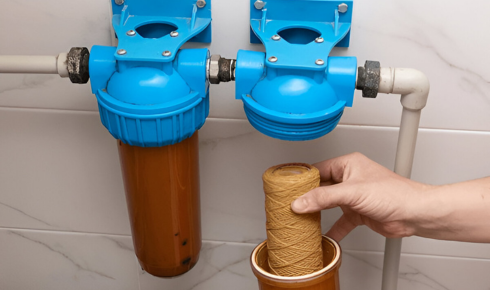
    This is where residential water treatment becomes relevant. Home filtration and conditioning systems are designed to refine the water after it enters your plumbing system. Think of it as the final polishing step.

    These systems might remove sediment, soften hard water, or filter out unwanted chemicals. The difference can be surprisingly noticeable. Softer water helps appliances last longer. Filtered water improves taste and smell. Even your laundry may look brighter.

    Many homeowners don’t realize how much untreated water affects their daily routine until they experience the change firsthand.

    Hard Water: The Quiet Household Problem

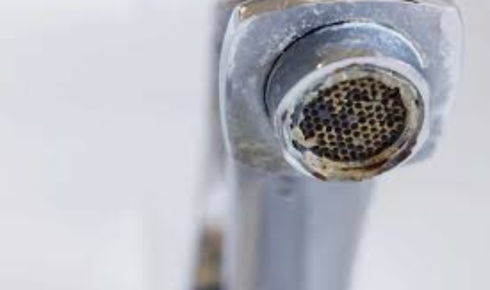
    If you live in an area with hard water, you’ve probably seen the signs without realizing what they meant. White buildup around faucets. Soap that refuses to lather. Glassware that looks permanently hazy.

    Hard water contains high levels of minerals like calcium and magnesium. While not dangerous to drink, these minerals can slowly wreak havoc on plumbing systems and household appliances.

    Water softening systems solve this by removing or neutralizing those minerals. The result? Pipes stay cleaner, heaters work more efficiently, and soap actually does what it’s supposed to do.

    It’s one of those small improvements that quietly improves everyday life—kind of like switching to better lighting in a room and wondering why you didn’t do it years ago.

    Water Quality in Businesses: A Different Set of Challenges

    While homeowners often focus on taste and appliance protection, businesses face a different level of responsibility. Restaurants, hotels, healthcare facilities, and manufacturing plants depend heavily on water quality for both operations and safety.

    That’s where commercial water treatment systems become essential.

    In restaurants, for instance, poor water quality can affect everything from beverage flavor to dishwashing results. In hospitals, filtration and purification systems play a role in maintaining sterile environments. Even office buildings rely on treated water to maintain plumbing systems and ensure a comfortable environment for employees.

    Commercial solutions tend to be larger and more specialized than residential ones. They often combine multiple technologies—filtration, reverse osmosis, ultraviolet purification, and chemical balancing—to maintain consistent water quality at scale.

    The stakes are higher in these settings, which is why system design and maintenance matter so much.

    The Science Behind Modern Filtration

    Water treatment might sound complicated, but the basic idea is pretty straightforward: remove what shouldn’t be there while preserving what should.

    Different filtration technologies tackle different contaminants.

    Carbon filters are widely used to remove chlorine, organic compounds, and unpleasant odors. Reverse osmosis systems push water through ultra-fine membranes that capture dissolved solids. Ultraviolet systems neutralize bacteria and viruses without using chemicals.

    A well-designed treatment system often combines several of these methods. That layered approach ensures cleaner, safer water regardless of the original source.

    And this is where professional filtration expertise really makes a difference. Every location has unique water characteristics—mineral levels, chemical traces, sediment content. Without proper analysis, installing the wrong system can lead to disappointing results.

    Experts evaluate the water first, then design solutions tailored to those specific conditions. It’s a bit like tailoring a suit rather than buying something off the rack.

    Choosing the Right Water Treatment Solution

    With so many systems on the market, choosing the right one can feel overwhelming. Some homeowners start with simple countertop filters, while others install whole-house treatment systems.

    The right approach usually depends on three things:

    First, your water source. Well water often requires different treatment methods than municipal supplies.

    Second, the specific contaminants present. Testing your water is the only reliable way to identify them.

    Third, your household or business needs. A restaurant kitchen has different requirements than a single-family home.

    It’s tempting to choose the cheapest solution and hope for the best, but water treatment tends to reward thoughtful planning. A properly designed system can operate efficiently for years with minimal maintenance.

    Clean Water Isn’t a Luxury

    If there’s one thing many homeowners and businesses discover after installing a treatment system, it’s how quickly clean water becomes something you never want to live without.

    Showers feel better. Drinking water tastes fresh. Appliances run more smoothly. And there’s a quiet peace of mind in knowing the water you rely on every day is truly clean.

    Water treatment isn’t just about technology—it’s about improving daily life in small, meaningful ways. And honestly, that’s something worth investing in.