Water is one of those things we rarely think about—until something feels off. Maybe the tap water tastes metallic, or the shower leaves your skin oddly dry. Sometimes it’s subtler than that. Dishes look cloudy. Coffee doesn’t taste quite right. And slowly you start wondering: What exactly is in the water we use every day?
It’s a fair question. As communities grow and infrastructure ages, water quality challenges have become more common. From minerals and sediment to chemicals and bacteria, untreated water can carry a surprising mix of things we’d rather not drink, cook with, or bathe in. That’s where modern water treatment systems step in—not as luxury upgrades, but increasingly as everyday necessities.
Understanding the Water Coming Into Your Home
Most people assume municipal water is perfectly clean, and technically speaking, it usually meets safety standards. But “safe” doesn’t always mean ideal. Municipal systems focus on removing harmful pathogens, yet minerals, chlorine, and trace contaminants often remain.
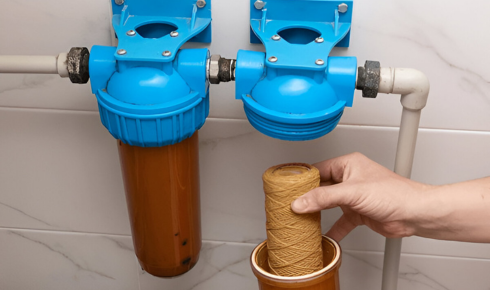
This is where residential water treatment becomes relevant. Home filtration and conditioning systems are designed to refine the water after it enters your plumbing system. Think of it as the final polishing step.
These systems might remove sediment, soften hard water, or filter out unwanted chemicals. The difference can be surprisingly noticeable. Softer water helps appliances last longer. Filtered water improves taste and smell. Even your laundry may look brighter.
Many homeowners don’t realize how much untreated water affects their daily routine until they experience the change firsthand.
Hard Water: The Quiet Household Problem
If you live in an area with hard water, you’ve probably seen the signs without realizing what they meant. White buildup around faucets. Soap that refuses to lather. Glassware that looks permanently hazy.
Hard water contains high levels of minerals like calcium and magnesium. While not dangerous to drink, these minerals can slowly wreak havoc on plumbing systems and household appliances.
Water softening systems solve this by removing or neutralizing those minerals. The result? Pipes stay cleaner, heaters work more efficiently, and soap actually does what it’s supposed to do.
It’s one of those small improvements that quietly improves everyday life—kind of like switching to better lighting in a room and wondering why you didn’t do it years ago.
Water Quality in Businesses: A Different Set of Challenges
While homeowners often focus on taste and appliance protection, businesses face a different level of responsibility. Restaurants, hotels, healthcare facilities, and manufacturing plants depend heavily on water quality for both operations and safety.
That’s where commercial water treatment systems become essential.
In restaurants, for instance, poor water quality can affect everything from beverage flavor to dishwashing results. In hospitals, filtration and purification systems play a role in maintaining sterile environments. Even office buildings rely on treated water to maintain plumbing systems and ensure a comfortable environment for employees.
Commercial solutions tend to be larger and more specialized than residential ones. They often combine multiple technologies—filtration, reverse osmosis, ultraviolet purification, and chemical balancing—to maintain consistent water quality at scale.
The stakes are higher in these settings, which is why system design and maintenance matter so much.
The Science Behind Modern Filtration
Water treatment might sound complicated, but the basic idea is pretty straightforward: remove what shouldn’t be there while preserving what should.
Different filtration technologies tackle different contaminants.
Carbon filters are widely used to remove chlorine, organic compounds, and unpleasant odors. Reverse osmosis systems push water through ultra-fine membranes that capture dissolved solids. Ultraviolet systems neutralize bacteria and viruses without using chemicals.
A well-designed treatment system often combines several of these methods. That layered approach ensures cleaner, safer water regardless of the original source.
And this is where professional filtration expertise really makes a difference. Every location has unique water characteristics—mineral levels, chemical traces, sediment content. Without proper analysis, installing the wrong system can lead to disappointing results.
Experts evaluate the water first, then design solutions tailored to those specific conditions. It’s a bit like tailoring a suit rather than buying something off the rack.
Choosing the Right Water Treatment Solution
With so many systems on the market, choosing the right one can feel overwhelming. Some homeowners start with simple countertop filters, while others install whole-house treatment systems.
The right approach usually depends on three things:
First, your water source. Well water often requires different treatment methods than municipal supplies.
Second, the specific contaminants present. Testing your water is the only reliable way to identify them.
Third, your household or business needs. A restaurant kitchen has different requirements than a single-family home.
It’s tempting to choose the cheapest solution and hope for the best, but water treatment tends to reward thoughtful planning. A properly designed system can operate efficiently for years with minimal maintenance.
Clean Water Isn’t a Luxury
If there’s one thing many homeowners and businesses discover after installing a treatment system, it’s how quickly clean water becomes something you never want to live without.
Showers feel better. Drinking water tastes fresh. Appliances run more smoothly. And there’s a quiet peace of mind in knowing the water you rely on every day is truly clean.
Water treatment isn’t just about technology—it’s about improving daily life in small, meaningful ways. And honestly, that’s something worth investing in.