There’s a certain moment—you’ve probably felt it—when your home just clicks. The temperature feels steady, the air isn’t heavy or dry, and you’re not constantly fiddling with the thermostat like it owes you something. It’s not dramatic, just… right.
And oddly enough, that feeling usually comes down to a bunch of small things working together quietly in the background. HVAC systems are like that. When they’re doing their job well, they almost disappear. But when something’s even slightly off, you notice it in ways you can’t quite explain.
Why the Small Components Matter More Than You Think
It’s easy to assume that if your system turns on, everything must be fine. But HVAC systems are a bit more layered than that. They’re made up of multiple parts, each playing its own role—and when one starts to wear out, it can throw everything slightly out of sync.
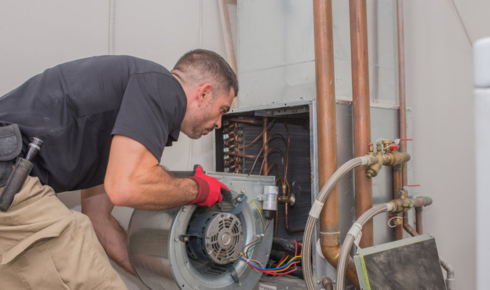
That’s where air handler parts replacement becomes more important than most homeowners realize. The air handler is responsible for circulating air throughout your space, and inside it are components like blowers, coils, and filters that need to function properly for the system to perform well.
A worn-out blower motor, for example, might still run—but not efficiently. You’ll get weaker airflow, uneven temperatures, and a system that works harder than it should. Over time, that strain can lead to bigger issues.
Replacing these parts at the right time isn’t about over-maintaining your system. It’s about keeping everything balanced so you’re not dealing with small frustrations that slowly pile up.
The Quiet Goal: Making Systems Work Smarter, Not Harder
There’s a bit of a misconception that a powerful HVAC system automatically means better comfort. But that’s not always the case. Sometimes, it’s not about power—it’s about how well everything is working together.
Achieving efficient system operation is less about turning things up and more about fine-tuning. It’s about making sure airflow is consistent, components are clean, and the system isn’t overcompensating for hidden issues like leaks or blockages.
I’ve seen homes where the AC runs almost constantly, yet the space never quite cools down evenly. And then, with a few adjustments—cleaning coils, sealing ducts, or calibrating the system—the difference is immediate.
It’s a reminder that efficiency isn’t just about saving energy (though that’s a nice bonus). It’s about creating a home environment that feels steady and predictable, without the system constantly playing catch-up.
When Expertise Makes All the Difference
Let’s be honest—most of us don’t really understand the inner workings of HVAC systems. And that’s okay. You shouldn’t have to.
But that’s exactly why working with professional technicians matters. Not just someone who can fix what’s broken, but someone who can explain what’s happening in a way that actually makes sense.
A good technician doesn’t rush through the job. They take a moment to observe, to ask questions, to understand how your system has been behaving. Sometimes, what seems like a major issue turns out to be something surprisingly simple. Other times, a small symptom points to a deeper problem.
And that kind of insight? It’s what prevents repeat issues. It’s what turns a quick fix into a lasting solution.
There’s also a level of trust involved. You’re relying on someone to handle a system that directly affects your comfort, your energy bills, even your day-to-day routine. That’s not something to take lightly.
The Things We Tend to Ignore (Until We Can’t)
It’s funny how we treat HVAC problems. If something stops working completely, we act fast. But if it’s just “not quite right,” we tend to let it slide.
Maybe the airflow is weaker than usual. Maybe one room is always a bit warmer. Maybe there’s a faint noise you’ve started to tune out.
These things don’t feel urgent. But they’re often early signs—little hints that your system needs attention.
Ignoring them doesn’t make them go away. It just gives them time to grow into something bigger, something harder (and more expensive) to fix.
And honestly, it’s rarely worth the wait. A quick check-up can save you from a much bigger headache later.
Comfort Isn’t a One-Time Setup
One of the biggest misconceptions about HVAC systems is that once they’re installed, the job is done. Set the temperature, forget about it, and everything should stay perfect.
But real comfort doesn’t work that way. It shifts with the seasons, with how you use your space, even with changes in your home over time.
Maybe you’ve added new furniture that affects airflow. Maybe insulation has settled. Maybe the system itself is just aging.
These changes are subtle, but they matter. And staying comfortable means adjusting, maintaining, and occasionally upgrading parts of your system to keep everything running smoothly.
A Final Thought: Comfort Is in the Details
At the end of the day, comfort isn’t something you notice when it’s working—it’s something you notice when it’s not.
It’s the difference between constantly adjusting your thermostat and forgetting it even exists. Between rooms that feel inconsistent and a home that feels balanced.
And more often than not, that difference comes down to the details. The condition of your components. The efficiency of your system. The expertise of the people maintaining it.
When all of those pieces come together, something interesting happens.
Your HVAC system fades into the background, quietly doing its job. And you get to enjoy your space without thinking twice about it.
Which, if you think about it, is exactly how it should be.