

Key Points
You wouldn’t normally replace a household appliance without first finding out what’s wrong with it. The same principle applies to improving your water quality. Purchasing filtration equipment without understanding your existing water conditions can lead to unnecessary expenses and disappointing results. Perhaps you’ve noticed cloudy spots on freshly washed dishes, stubborn mineral deposits around faucets,…
You wouldn’t normally replace a household appliance without first finding out what’s wrong with it. The same principle applies to improving your water quality. Purchasing filtration equipment without understanding your existing water conditions can lead to unnecessary expenses and disappointing results.
Perhaps you’ve noticed cloudy spots on freshly washed dishes, stubborn mineral deposits around faucets, or an unpleasant taste in your drinking water. These problems may seem straightforward, but their underlying causes can differ considerably.
Understanding those causes is essential for finding an effective solution.
With guidance from a qualified Kinetico water treatment specialist, homeowners can explore appropriate testing methods and treatment technologies that match their property’s requirements. A thoughtful approach can help improve everyday water quality, protect valuable household equipment, and make long-term maintenance considerably easier.
Develop an Effective Treatment Strategy With Professional Water Testing
Every household has different water quality concerns. Some families struggle with excessive mineral deposits, while others are primarily concerned about unpleasant odors, suspended particles, or dissolved substances in their drinking water.
Professional water testing for treatment planning helps homeowners identify relevant water characteristics and determine which treatment technologies may provide meaningful improvements.
For example, a household experiencing chalky deposits around bathroom fixtures may benefit from water softening. Another property dealing primarily with disinfectant-related tastes might require appropriately selected carbon filtration.
Without reliable testing, distinguishing between these requirements can be difficult.
An initial assessment may examine mineral concentrations, acidity, iron levels, residual disinfectants, and total dissolved solids.
These measurements provide useful information when evaluating equipment capacity, treatment configuration, installation requirements, and anticipated operating expenses.
Imagine purchasing an expensive whole-house filtration system only to discover that a straightforward water softener would have addressed your primary concern.
Testing beforehand could help prevent this unnecessary financial commitment.
Professional guidance also helps homeowners understand whether complementary treatment technologies would provide additional benefits.
However, preliminary household assessments have limitations. Specialized laboratory analysis may be necessary when concerns involve microorganisms, heavy metals, or specific chemical contaminants.
A carefully developed treatment strategy should reflect measurable water conditions rather than assumptions or generalized equipment recommendations.
Discover How Naturally Occurring Minerals Affect Your Household Water
Have you ever wondered why freshly washed towels sometimes feel stiff or why white deposits repeatedly appear around kitchen faucets?
Naturally occurring minerals dissolved in your water could be contributing to these everyday frustrations.
Professionally testing water for hardness and minerals helps homeowners understand calcium and magnesium concentrations and investigate other selected substances that may influence household water quality.
Calcium and magnesium are primarily responsible for water hardness. Although hard water isn’t generally considered a health hazard, excessive mineral concentrations can create several practical maintenance challenges.
When mineral-rich water evaporates, it may leave chalky deposits behind. Heating hard water can also encourage scale formation inside kettles, water heaters, and other appliances.
Testing can help explain several common household problems, including:
- Stubborn white deposits around faucets and showerheads.
- Cloudy spots on freshly washed glasses.
- Reduced soap and detergent effectiveness.
- Rough-feeling towels and clothing.
- Recurring mineral accumulation inside appliances.
- Persistent soap scum around bathroom fixtures.
Traditional water softeners address excessive hardness through ion-exchange technology. Specialized resin captures calcium and magnesium ions while releasing sodium or potassium ions into the water.
Reducing hardness may help minimize future scale formation and make certain household cleaning tasks more manageable.
However, other mineral-related problems may require different treatment approaches. Elevated iron concentrations, for instance, can contribute to reddish-brown staining that conventional softening alone might not adequately address.
Understanding these distinctions allows homeowners to select appropriate Kinetico equipment based on their property’s actual requirements.
Gain a Clearer Understanding of Your Home’s Overall Water Quality
Water quality involves considerably more than mineral concentrations. Acidity, suspended particles, disinfectant levels, and other dissolved substances can influence how water behaves throughout your property.
A comprehensive residential water quality analysis helps homeowners connect these different characteristics with the problems they’re experiencing during everyday activities.
Depending on the assessment, testing may examine acidity, turbidity, iron concentrations, hardness, disinfectant levels, and total dissolved solids.
Each measurement provides a different piece of information.
For example, turbidity measurements help evaluate cloudiness associated with suspended material, while iron testing may provide insights into certain metallic tastes and reddish-brown stains.
Total dissolved solids measurements estimate or measure the combined concentration of dissolved substances. However, they cannot identify individual contaminants or establish overall drinking water safety.
Understanding these limitations is particularly important when evaluating test results.
A knowledgeable water treatment professional should explain the findings in straightforward language and discuss whether additional investigation is necessary.
Private well owners should also arrange appropriate laboratory testing for bacteria, nitrates, and other potentially harmful contaminants according to public health recommendations.
Reliable analysis helps homeowners distinguish between aesthetic concerns, appliance maintenance problems, and potential drinking water safety issues.
Match Your Water Test Results With the Right Treatment Technology
Once you understand your existing water conditions, selecting suitable equipment becomes much easier.
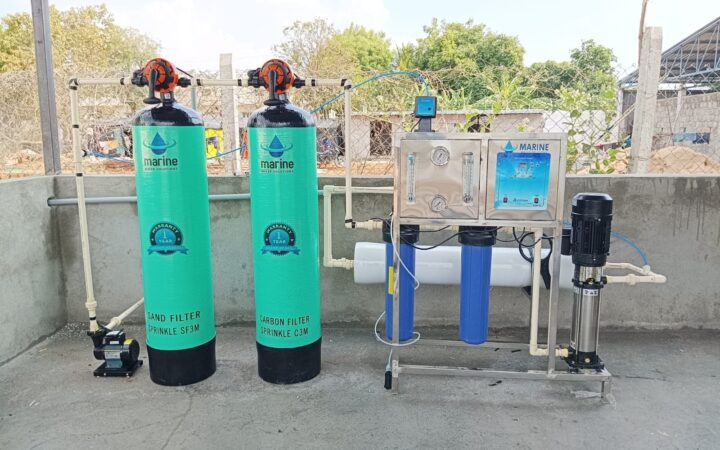
Activated carbon filtration can help reduce selected disinfectants and unwanted tastes, while sediment filters capture suspended particles.
Conventional water softeners reduce excessive hardness, and reverse osmosis technology provides additional reduction of many dissolved substances in drinking water.
Properties experiencing iron staining or sulfur-related odors may require specialized filtration equipment.
Some households benefit from combining complementary technologies, while others require only targeted treatment.
When comparing Kinetico equipment, consider independently verified performance claims, treatment capacity, installation requirements, and ongoing maintenance expenses.
The best treatment arrangement isn’t necessarily the most complicated one. It’s the system that effectively addresses your genuine water quality concerns while remaining practical to maintain.
Protect Your Household Appliances Through Preventive Treatment
Water heaters, washing machines, and dishwashers represent significant household investments.
Excessive hardness and suspended particles can contribute to mineral deposits, clogged inlet screens, and certain equipment maintenance problems.
Identifying unfavorable water conditions through testing allows homeowners to explore preventive treatment before these issues become more disruptive.
Although appropriate treatment cannot prevent every mechanical failure, it may help reduce certain avoidable maintenance requirements.
Addressing the underlying water conditions can offer greater long-term value than repeatedly managing their consequences.
Continue Monitoring Your Water After Treatment Installation
An initial water assessment shouldn’t necessarily be your last.
Periodic follow-up testing can help verify whether installed equipment continues addressing its intended treatment objectives.
Replace filtration cartridges, service reverse osmosis membranes, and replenish softener salt where applicable according to manufacturer recommendations.
Keeping previous test results and maintenance records helps identify unexpected changes in treatment performance.
Consistent monitoring also makes future servicing requirements and replacement expenses easier to anticipate.
Build a Better Water Experience at Home With Kinetico
Improving household water quality begins with reliable information rather than guesswork.
Consider consulting a qualified Kinetico water treatment specialist to discuss your water conditions, available testing arrangements, and personalized equipment recommendations.
With accurate testing, thoughtful treatment planning, professional installation, and consistent maintenance, homeowners can address many persistent water quality frustrations.
Ultimately, better water starts with understanding what’s already flowing through your faucets. Making informed decisions today can help protect valuable household investments, simplify everyday responsibilities, and create a more comfortable home where appropriately treated water delivers lasting practical value.
Related Posts

Fresh, Great-Tasting Water at Home: Exploring Reverse Osmosis in the Treasure Valley
There’s nothing quite like a refreshing glass of water after a long afternoon…

Understanding Water Softeners: What They Can and Cannot Do for Your Houston Home
Buying a water softener can seem like the obvious solution when you’re constantly…
Making Everyday Water Better: Simple Solutions for a Healthier Home
Water is part of almost everything we do at home. We use it…
