
Key Points
Water is part of almost everything we do at home. We use it to prepare breakfast, wash vegetables, make coffee, fill our bottles before leaving for work, and cook meals for the family. It’s easy to overlook its quality until something changes. A strange taste, unpleasant smell, white mineral deposits on faucets, or excessive soap…
Water is part of almost everything we do at home. We use it to prepare breakfast, wash vegetables, make coffee, fill our bottles before leaving for work, and cook meals for the family. It’s easy to overlook its quality until something changes. A strange taste, unpleasant smell, white mineral deposits on faucets, or excessive soap buildup can make us question the water we’re using every day.
Improving household water quality doesn’t always require a major investment. The first step is understanding what’s actually in your water and choosing a treatment solution that addresses your concerns. With a little information and the right equipment, better water can become a simple part of everyday life.
Why Water Quality Deserves More Attention
Water can contain naturally occurring minerals, sediment, chlorine, and other substances depending on its source and the way it’s treated or transported. In some homes, hard water is the biggest concern. In others, the issue may be taste, odor, or a specific contaminant that needs testing.
Clear water isn’t necessarily free of unwanted substances. Similarly, water that tastes unpleasant isn’t automatically unsafe. These are two different questions, and understanding the difference matters.
A water test can provide a clearer picture of your household’s water quality. It helps identify hardness, pH, dissolved minerals, and certain contaminants, depending on the testing method. Instead of buying equipment based on assumptions, you can make a decision that actually fits your home’s needs.
Finding the Right Treatment for Your Household
Every home uses water differently. A small family may have different priorities from a household with several children, frequent cooking, or guests coming and going. Some homeowners want better-tasting water at the kitchen sink, while others are dealing with scale throughout the plumbing system.
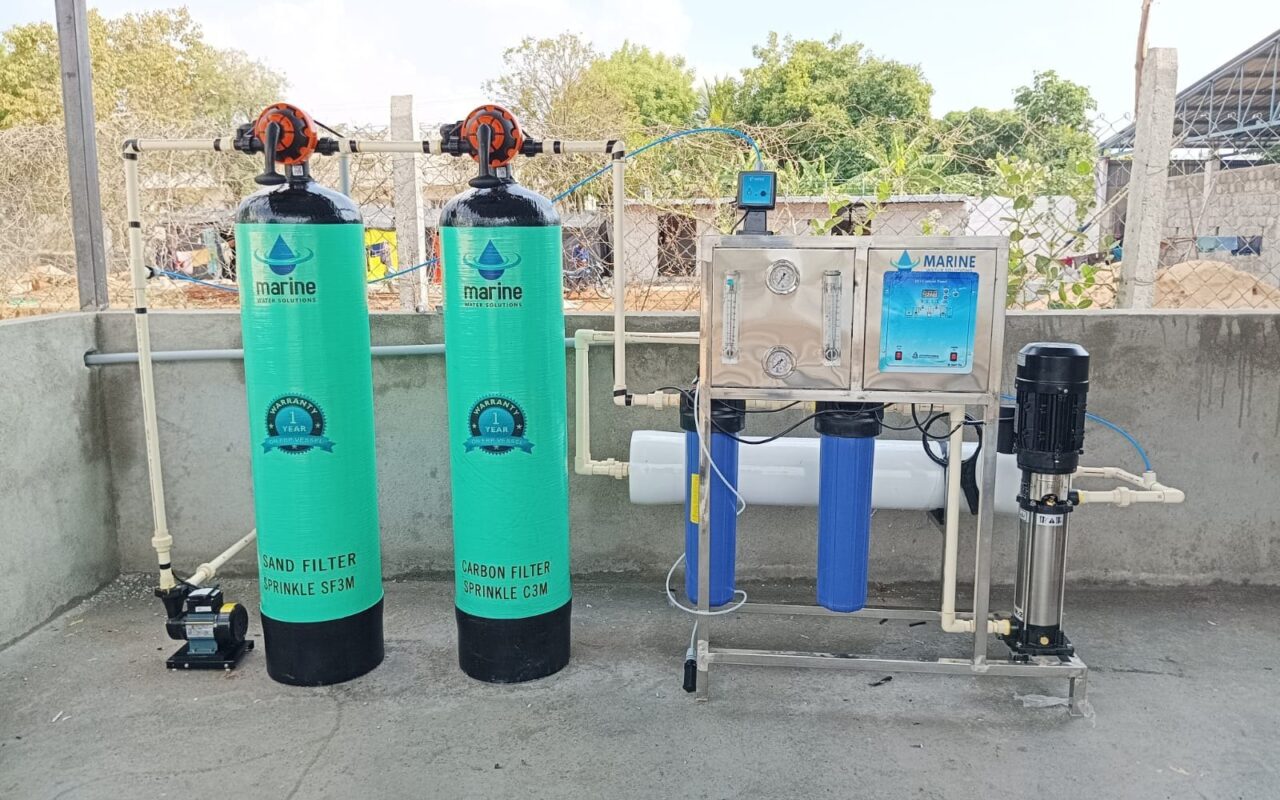
Reliable residential water treatment services can help evaluate these concerns and recommend suitable equipment. Depending on test results, treatment may involve sediment filters, activated carbon filtration, reverse osmosis, water softening, or a combination of technologies.
The important thing is not to install everything available. A well-chosen system should solve a real problem without making water treatment unnecessarily complicated or expensive. Ask what the equipment removes, what it doesn’t remove, and how much maintenance it requires before committing.
How Water Conditioning Can Improve Daily Comfort
Hard water is one of those problems people often notice gradually. At first, it might be a few spots on the shower glass or cloudy dishes after washing. Then soap doesn’t seem to work as well, towels feel a little rough, and mineral deposits keep appearing around faucets.
Calcium and magnesium are the primary minerals responsible for water hardness. Water conditioning equipment can help manage these minerals, depending on the technology used. Traditional water softeners use ion exchange to reduce hardness, helping limit scale formation inside plumbing, water heaters, and household appliances.
Modern home water conditioning systems are available in different sizes and configurations. Some are designed for whole-house treatment, while others focus on particular applications. Choosing the right system requires considering water hardness, household consumption, plumbing arrangements, and maintenance costs.
When hard water is properly managed, cleaning may become easier, soap can work more effectively, and mineral buildup may be reduced. These aren’t dramatic changes, but they’re the kind of small improvements that make a home more comfortable over time.
Better Water for Cooking and Drinking
Drinking water quality deserves its own attention because it directly affects daily habits. If water tastes unpleasant, people may avoid drinking it or rely more heavily on bottled water. That can become inconvenient, especially when you’re trying to keep the kitchen routine simple.
Filtration systems can help improve taste and odor while reducing certain contaminants, depending on the filter type and its performance. Carbon filtration is commonly used to address chlorine-related taste and odor, while reverse osmosis can reduce various dissolved substances.
The goal is to have healthier water for drinking and cooking without making the process unnecessarily difficult. A dedicated drinking water system near the kitchen sink can be useful for filling glasses, preparing tea, rinsing produce, and cooking rice or vegetables.
However, no single filter removes everything. Look for reliable product certifications and check which specific contaminants a system is designed to reduce. Water testing should guide the decision, not broad claims on a product label.
Installation and Maintenance Shouldn’t Be Overlooked
Even a good water treatment system needs proper installation. Incorrect connections, unsuitable pressure, poor placement, or neglected maintenance can affect performance and create problems later.
Filters need to be replaced on schedule, softeners may require periodic servicing, and certain systems need regular cleaning or additional checks. Keeping track of these requirements doesn’t have to be complicated. A simple note on your phone with installation and replacement dates is often enough.
Professional installation can also help ensure that equipment is compatible with your home’s plumbing and water conditions. If water pressure drops or the taste changes unexpectedly, having someone familiar with the system can make troubleshooting easier.
A Practical Approach to Better Water
Better water begins with paying attention. Notice how your water tastes, how it behaves when cleaning, and whether mineral buildup is becoming a recurring problem. Get it tested when necessary, explore appropriate solutions, and avoid spending money on equipment that doesn’t address your actual concerns.
A thoughtfully selected treatment system can make everyday tasks more pleasant, protect plumbing from certain water-related issues, and provide greater confidence in the water you use. It doesn’t need to be a complicated project. Sometimes, improving one of the most ordinary things in your home can make a surprisingly meaningful difference.
Related Posts

Fresh, Great-Tasting Water at Home: Exploring Reverse Osmosis in the Treasure Valley
There’s nothing quite like a refreshing glass of water after a long afternoon…

Make Smarter Water Treatment Decisions With Kinetico Water Quality Testing and Analysis
You wouldn’t normally replace a household appliance without first finding out what’s wrong…

Understanding Water Softeners: What They Can and Cannot Do for Your Houston Home
Buying a water softener can seem like the obvious solution when you’re constantly…
