
Key Points
Buying a water softener can seem like the obvious solution when you’re constantly dealing with cloudy glassware, stubborn mineral deposits, and rough laundry. However, many homeowners expect these systems to accomplish more than they’re actually designed to do. Will a softener improve drinking water taste? Can it remove harmful contaminants? Will it eliminate every water…
Buying a water softener can seem like the obvious solution when you’re constantly dealing with cloudy glassware, stubborn mineral deposits, and rough laundry. However, many homeowners expect these systems to accomplish more than they’re actually designed to do.
Will a softener improve drinking water taste? Can it remove harmful contaminants? Will it eliminate every water spot around your bathroom?
These are reasonable questions, especially when you’re considering a significant household investment.
For homeowners in Houston, Texas, understanding the capabilities and limitations of water softening equipment can help prevent unnecessary purchases and unrealistic expectations. The right treatment system can bring meaningful improvements to everyday living, but choosing one begins with understanding your water supply and identifying the specific problems you want to address.
Understanding the True Purpose of Water Softening
Before investing in treatment equipment, it’s worth learning about what softeners do—and what they don’t so you can make an informed decision based on your household’s actual requirements.
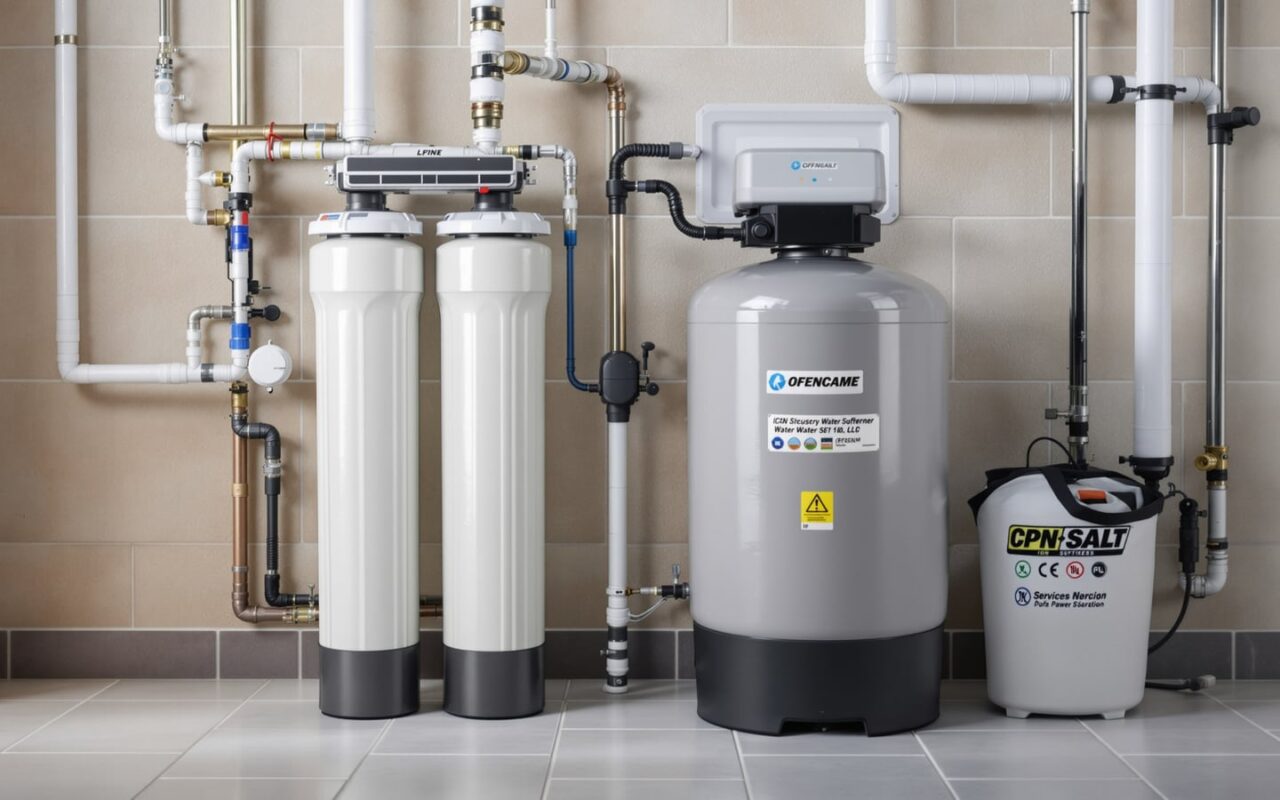
Traditional water softeners primarily reduce hardness caused by dissolved calcium and magnesium. These minerals naturally enter water as it travels through soil and rock formations.
Most conventional softeners use a process called ion exchange. Specialized resin captures hardness minerals while releasing sodium or potassium ions into the water.
Reducing hardness can help minimize mineral accumulation around faucets, improve soap effectiveness, and protect water-using appliances against excessive scale formation.
However, water softening isn’t the same as comprehensive water purification.
A conventional softener isn’t specifically designed to remove chlorine, bacteria, viruses, or every potentially harmful chemical contaminant. It also doesn’t necessarily reduce the overall concentration of dissolved solids.
Suppose your kitchen tap water has an unpleasant chemical taste. Installing a softener might address existing hardness problems, but that distracting flavor could remain.
Understanding these limitations can save you considerable frustration. When drinking water quality is your primary concern, additional filtration or reverse osmosis equipment may be more appropriate.
The important thing is matching the treatment technology to the problem rather than expecting one system to accomplish everything.
Discover Practical Solutions for Persistent Hard Water Problems
Living with hard water can make ordinary household responsibilities unnecessarily demanding. You might find yourself using extra detergent, frequently cleaning bathroom fixtures, or removing mineral deposits from kettles and other appliances.
Exploring suitable water softening solutions allows homeowners to address these recurring difficulties through equipment selected according to their property’s water conditions and consumption patterns.
Traditional salt-based softeners offer an established approach to reducing calcium and magnesium concentrations throughout connected household plumbing.
Demand-based regeneration systems provide additional convenience by regenerating according to measured water usage. This approach may help avoid unnecessary regeneration cycles compared with an unsuitable timer-based schedule.
Some homeowners also consider salt-free conditioning equipment. Depending on the technology used, these systems may help manage certain scale-related concerns without actually removing hardness minerals.
Understanding this difference is particularly important when comparing products.
If your primary objective is reducing measured hardness and improving soap performance, conventional ion-exchange technology may be more appropriate than scale conditioning alone.
Professional water testing can help establish your existing hardness level and determine which treatment approach offers meaningful benefits.
Consider long-term operating expenses, equipment accessibility, regeneration requirements, and maintenance responsibilities before purchasing a system.
Choose Residential Water Softeners That Match Your Lifestyle
Every family uses water differently. A household with several children, multiple bathrooms, and frequently operated appliances may place significantly greater demands on treatment equipment than a smaller household.
When comparing water softeners for homes, consider daily water consumption, existing hardness levels, peak demand, available installation space, and ongoing ownership expenses.
An appropriately sized system should accommodate normal household activities without requiring unnecessarily frequent regeneration.
Imagine preparing for work while another family member takes a shower and the washing machine completes a morning cycle. Your water treatment equipment should be capable of handling these simultaneous demands.
Purchasing an oversized system isn’t automatically the best solution, either. Unnecessary treatment capacity may increase initial expenses without providing meaningful additional advantages.
Homeowners should also consider sodium introduced through traditional ion-exchange treatment. Individuals following medically prescribed sodium-restricted diets may wish to discuss suitable drinking water arrangements with their healthcare professional.
A knowledgeable water treatment technician can explain available equipment configurations, installation requirements, and maintenance schedules.
Taking the time to compare suitable models can help you establish a treatment arrangement that fits your lifestyle rather than complicating it.
Recognizing the Everyday Benefits of Reduced Water Hardness
Although water softening has limitations, it can offer considerable practical value in households experiencing significant hardness problems.
Potential advantages include:
- Fewer chalky deposits around faucets and showerheads.
- Improved soap and detergent effectiveness.
- Reduced hardness-related spotting on glassware.
- Laundry that may feel softer after washing.
- Reduced mineral accumulation inside water heaters.
- More manageable bathroom and kitchen cleaning.
- Fewer scale-related appliance maintenance concerns.
These improvements can make everyday responsibilities easier while helping protect valuable household equipment.
However, existing mineral deposits may still require cleaning, and other dissolved substances can continue leaving water spots even after successful softening.
Actual results depend on incoming water conditions, equipment performance, and consistent maintenance.
When Should You Consider Additional Water Filtration?
A water softener may address excessive hardness effectively, but some households experience multiple water quality concerns.
Activated carbon filtration can help reduce selected disinfectants and unwanted tastes or odors. Sediment filters capture suspended particles, while reverse osmosis equipment can reduce many dissolved substances in drinking water.
Houston homeowners experiencing both mineral deposits and unpleasant drinking water tastes may benefit from combining complementary technologies.
Nevertheless, additional treatment isn’t necessary for every property.
Reviewing local water quality reports and arranging appropriate testing can help determine which equipment addresses your genuine concerns. Specific contaminant reduction claims should be independently verified before purchasing filtration products.
Keep Your Water Softener Working Effectively
Regular maintenance is essential for preserving dependable hardness reduction.
Check salt levels, follow manufacturer servicing recommendations, and periodically assess treatment effectiveness.
If mineral deposits begin returning or regeneration patterns change unexpectedly, arrange a professional inspection.
Keeping simple maintenance records can help prevent overlooked servicing requirements and make long-term ownership expenses easier to anticipate.
Make an Informed Water Treatment Decision for Your Houston Home
A water softener can be a valuable household investment when selected for the right reasons.
Start by understanding your water quality, identifying persistent problems, and comparing treatment technologies that address those concerns.
For Houston homeowners, appropriate equipment selection, professional installation, and consistent maintenance can bring lasting improvements to everyday household convenience.
Remember, the smartest water treatment investment isn’t necessarily the most complicated or expensive system. It’s the one that addresses your actual needs, respects your budget, and delivers practical benefits without unrealistic promises.
Related Posts

Fresh, Great-Tasting Water at Home: Exploring Reverse Osmosis in the Treasure Valley
There’s nothing quite like a refreshing glass of water after a long afternoon…

Make Smarter Water Treatment Decisions With Kinetico Water Quality Testing and Analysis
You wouldn’t normally replace a household appliance without first finding out what’s wrong…
Making Everyday Water Better: Simple Solutions for a Healthier Home
Water is part of almost everything we do at home. We use it…
