Category: Sports

  • Acrylic Sports Flooring That Performs in All Weather Conditions

    Acrylic Sports Flooring That Performs in All Weather Conditions

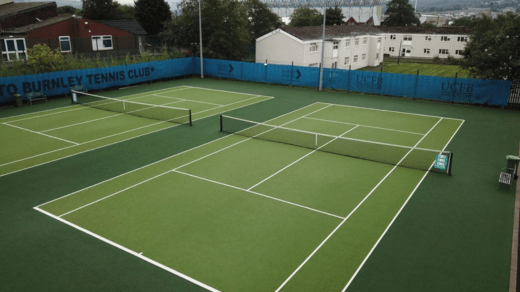
    Modern sports facilities demand flooring that can handle intense gameplay, heavy foot traffic, and unpredictable weather—all without compromising performance or safety. This is exactly why Acrylic Sports Flooring has become the preferred solution for outdoor and semi-outdoor courts across the world. From tennis court flooring to basketball court flooring, badminton court flooring, and pickleball court flooring, acrylic systems are designed to deliver consistent play in all weather conditions.


    What Is Acrylic Sports Flooring?

    Acrylic sports flooring is a synthetic surface system made using multiple layers of acrylic resins, silica sand, and performance additives applied over a concrete or asphalt base. These layers work together to create a seamless, textured, and durable playing surface.

    The biggest advantage of acrylic flooring is its adaptability. It performs consistently in heat, rain, humidity, and varying temperatures, making it ideal for outdoor sports courts.


    Why All-Weather Performance Matters

    Outdoor sports courts are constantly exposed to environmental stress. Extreme heat can cause surface cracking, rain can lead to water retention, and humidity can affect grip. Flooring that cannot handle these conditions often requires frequent repairs and resurfacing.

    Acrylic sports flooring is engineered to:

    • Resist UV damage and color fading
    • Maintain grip in wet and dry conditions
    • Handle temperature fluctuations without surface failure
    • Drain water efficiently with proper base design

    This makes it a reliable solution for long-term outdoor use.


    Tennis Court Flooring That Stays Consistent Year-Round

    For tennis players, surface consistency is critical. Acrylic tennis court flooring provides a uniform ball bounce and controlled surface speed, regardless of weather changes.

    Even under strong sunlight or after rainfall, acrylic tennis courts:

    • Retain surface texture
    • Prevent excessive slipperiness
    • Maintain professional playing standards

    This is why acrylic systems are widely used in professional, academy, and recreational tennis courts.


    Basketball Court Flooring Built for Outdoor Conditions

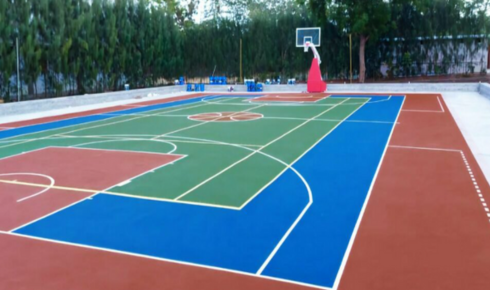
    Outdoor basketball court flooring must endure constant running, jumping, and quick direction changes. Acrylic sports flooring offers excellent abrasion resistance and grip, ensuring player safety even during high-intensity games.

    Its weather-resistant properties help:

    • Prevent surface softening in heat
    • Reduce cracking caused by temperature shifts
    • Keep the court playable after rain

    As a result, acrylic basketball courts remain functional with minimal downtime.


    Badminton Court Flooring with Reliable Grip and Comfort

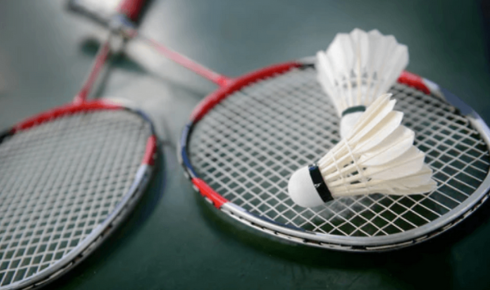
    While badminton is often played indoors, outdoor and multipurpose facilities also require dependable badminton court flooring. Acrylic systems can be customized to provide controlled traction and smooth movement, even in changing environmental conditions.

    Synthetic acrylic badminton courts offer:

    • Stable footing in humid climates
    • Easy cleaning and maintenance
    • Long-lasting line markings

    This makes them suitable for both indoor halls and covered outdoor courts.


    Pickleball Court Flooring That Handles Heat and Rain

    Pickleball is one of the fastest-growing sports, and many new courts are built outdoors. Pickleball court flooring made with acrylic systems delivers excellent ball response and player grip while standing up to sunlight and rain.

    Acrylic pickleball courts are valued for:

    • Non-slip textured surfaces
    • Bright, UV-stable colors
    • Quick drying after rainfall

    These features ensure uninterrupted play and a better experience for players of all skill levels.


    Low Maintenance in Every Season

    One of the biggest advantages of acrylic sports flooring is its low maintenance requirement. Seasonal changes often increase maintenance needs for traditional surfaces, but acrylic systems remain easy to manage year-round.

    Routine maintenance typically includes:

    • Sweeping debris
    • Occasional water washing
    • Periodic inspection and resurfacing after years of use

    This reduces long-term operational costs while keeping the court visually appealing and safe.


    Importance of Proper Base and Installation

    All-weather performance depends not only on the surface material but also on correct installation. A well-prepared base with proper slope and drainage ensures that water does not accumulate and damage the surface.

    Professional installation ensures:

    • Uniform layer thickness
    • Strong bonding between coats
    • Long-lasting performance in all climates

    Experienced material providers such as Topflooring focus on quality-driven acrylic systems that support reliable performance across seasons.


    Sustainability and Environmental Benefits

    Acrylic sports flooring systems are also aligned with modern sustainability goals. Their long lifespan reduces material waste, and low maintenance means fewer chemical cleaners and repairs over time.

    This makes acrylic flooring a smart, eco-conscious choice for sports infrastructure development.


    Final Thoughts

    Acrylic Sports Flooring That Performs in All Weather Conditions is not just a claim—it’s a proven solution for modern sports facilities. Whether it’s tennis court flooring, basketball court flooring, badminton court flooring, or pickleball court flooring, acrylic systems deliver durability, safety, and consistent play throughout the year.

    By investing in high-quality acrylic surfaces and professional installation, sports facilities can ensure reliable performance in any climate. Supported by trusted solutions from Topflooring, acrylic sports flooring continues to set the standard for all-weather sports courts worldwide.

  • Why Acrylic Flooring is Powering the Next Generation of Outdoor Badminton Courts

    Why Acrylic Flooring is Powering the Next Generation of Outdoor Badminton Courts

    In 2025, the demand for high-performance outdoor sports facilities is reshaping how badminton courts flooring are being designed and built across India. With the rise of smart cities, wellness-focused residential communities, and school sports initiatives, the need for reliable, low-maintenance, and performance-optimized court surfaces has never been greater. Traditional materials like cement or interlocking tiles are quickly becoming obsolete, especially as climate conditions intensify and play quality expectations rise. Leading this shift is acrylic flooring, a surface technology built on synthetic flooring materials that combines safety, speed, and sustainability—all while supporting the architectural and functional goals of a modern synthetic court.

    Acrylic Flooring: Engineered for the Future of Badminton

    Unlike older courts that relied heavily on basic concrete or clay, today’s floor court systems are layered, engineered, and designed to meet the specific demands of fast-paced games like badminton. Acrylic floors are created using advanced synthetic flooring materials layered over a prepared synthetic ground, typically asphalt or concrete. The base is then coated with multiple applications of acrylic floor paint—textured for grip—and sealed with a durable acrylic floor finish. Each layer plays a role in making the court resilient, weatherproof, and performance-driven.

    What makes acrylic ideal for badminton is its balanced surface texture. The grip allows players to move, pivot, and jump with confidence, while the medium-firm bounce supports fast shuttle responses and rapid footwork. Unlike concrete courts that can be harsh on joints or turf that lacks proper traction, acrylic flooring strikes the perfect balance between comfort and control—making it the smart foundation for both casual games and competitive training.

    Weather Resistance for Year-Round Play

    One of the defining advantages of synthetic court systems built with acrylic is their ability to resist extreme weather. In many parts of India, traditional court surfaces crack under the sun, retain water during monsoons, and become slippery or unsafe after minor damage. With acrylic flooring, these issues are significantly reduced.

    Badminton Acrylic surfaces are designed to resist UV damage, maintain their color, and prevent thermal expansion cracks. Even after heavy rain, the textured acrylic floor finish dries quickly, and the surface remains usable within a short time. This makes them ideal for institutions and community centers that require consistent availability for players and coaches. Whether in Delhi’s dry summers or Kerala’s rainy monsoons, synthetic ground coated with acrylic continues to perform.

    Smarter Customization with Court Paint

    Today’s sports courts aren’t just about function—they’re also about identity, branding, and user experience. With court paint, acrylic badminton courts can be fully customized to match the aesthetic of a school, residential community, sports academy, or city park. Two-tone color designs, school emblems, and zone highlights can all be achieved with acrylic floor paint, which is UV-stable and resistant to fading or peeling.

    The ability to brand a court adds not only visual appeal but also clarity during play. Color-coded zones help players navigate boundaries, and clean, sharp markings enhance game precision. For developers and urban planners, this makes acrylic floor systems a flexible and visually modern solution that aligns with broader design strategies in urban architecture and sports infrastructure.

    Sustainability and Low Maintenance Design

    As cities move toward greener and more efficient infrastructure, synthetic flooring offers an important advantage: sustainability. Acrylic surfaces are made using low-VOC materials, meaning they release fewer pollutants during installation. The long lifespan of acrylic floors—often up to 10 years or more with minimal resurfacing—reduces the need for frequent material replacement, lowering overall environmental impact.

    From a maintenance perspective, acrylic floor finish creates a sealed surface that is easy to clean and resistant to dust, mud, and algae. Unlike concrete that may require frequent patching, or turf that demands regular grooming and cleaning, acrylic courts are extremely low maintenance. Basic sweeping and occasional water washing are typically enough to keep the court in excellent condition.

    Multi-Sport Adaptability and Urban Integration

    One of the growing trends in urban development is building sport court facilities that can serve more than one purpose. A properly installed floor court with acrylic can support not just badminton, but also pickleball, volleyball, and skating—depending on line markings and equipment. This multi-sport adaptability is one of the biggest reasons why developers and municipalities are choosing synthetic court systems that feature acrylic surfaces.

    In smart cities and rooftop sports decks, where space is at a premium, this flexibility becomes a major asset. A single acrylic-coated court can be used by hundreds of people each week for different activities, all while retaining surface quality and safety standards. This integration of multi-use and low-maintenance design makes acrylic flooring the backbone of smart, future-ready recreational zones.

    Cost Efficiency Over the Long Term

    While the upfront cost of installing a high-quality synthetic flooring system with acrylic may be higher than that of a basic concrete court, the return on investment is significantly better. Acrylic courts last longer, require less maintenance, and need fewer repairs. Their weatherproof nature means fewer downtimes for resurfacing, and their professional-grade appearance adds value to any residential or institutional project.

    In terms of operational costs, schools, local governments, and private clubs save money over time by avoiding frequent repaints, structural fixes, and unsafe surface replacements. Even the acrylic floor paint used in these systems lasts longer than traditional paints, and the acrylic floor finish ensures long-term resistance to scuff marks, color loss, and cracking.

    Conclusion

    In 2025, as India builds smarter, more sustainable, and athlete-friendly cities, outdoor badminton courts are being designed not just for play—but for performance, longevity, and community engagement. Acrylic flooring delivers on all fronts. With superior weather resistance, aesthetic customization, multi-sport functionality, and cost-effective maintenance, it’s quickly becoming the go-to solution for every new synthetic court project.

    Whether you’re building a rooftop recreational area in a metro city, upgrading school infrastructure in a tier-two town, or creating a public sport court in a smart park, an acrylic floor ensures that your investment is protected and your players are empowered. Layer by layer, from the synthetic ground base to the top acrylic floor finish, this flooring system is engineered for the future—and it’s already changing the way badminton is played outdoors across India.

  • Budget-Friendly Basketball Court Flooring Solutions

    Budget-Friendly Basketball Court Flooring Solutions

    Basketball continues to grow as a popular sport in India—not just at professional levels, but across schools, housing societies, clubs, and recreational centers. While the sport’s popularity rises, so does the demand for safe and durable basketball courts. But a major concern for developers, school administrators, and facility managers is the cost of construction. Fortunately, it is possible to build a professional-grade court without exceeding your budget, especially if you choose the right materials and surface system.

    In this guide, we explore the most effective budget-friendly basketball court flooring solutions in India, with a focus on synthetic surfaces—specifically acrylic flooring, which balances performance and affordability.

    Understanding the Importance of Surface Selection

    Before diving into material options, it’s important to understand why surface selection is the most crucial part of basketball court construction in India. The right surface ensures consistent bounce, player comfort, slip resistance, and long-term durability. It also determines how frequently you’ll need maintenance or resurfacing.

    Poor quality or mismatched materials can lead to cracks, puddles, fading, or unsafe conditions, which not only increase costs over time but also ruin the experience for players. That’s why choosing the right basketball court flooring at the construction stage is critical, especially when working within a limited budget.

    Acrylic Basketball Court Flooring: Best Budget Option

    Among all the options available, acrylic basketball court surface systems stand out as the most practical, cost-effective, and widely used choice in India. Acrylic is a synthetic material applied over an asphalt or concrete base in multiple layers. It offers a seamless, non-slip finish that withstands outdoor weather conditions while maintaining a professional-level play experience.

    Why Acrylic Makes Sense:

    • Affordability: Acrylic flooring systems offer high performance without the high cost of alternatives like wooden or modular tile courts.
    • Weather Resistance: Designed for Indian weather, it resists UV rays, rain, and dust accumulation, reducing maintenance frequency.
    • Customizable Layers: Acrylic courts can be installed in basic 3–5 layer systems or upgraded with cushion layers based on available budget.
    • Low Maintenance: No polishing or special treatment required—simple cleaning is enough to keep the court playable.

    This makes acrylic the go-to option for anyone looking for budget basketball court surface solutions.

    Factors That Affect Basketball Court Construction Cost

    Even with a low-cost surface material like acrylic, the total construction cost can vary depending on several factors. Being aware of these can help in planning a more cost-efficient project.

    1. Base Material

    The type of sub-base you use—concrete or asphalt—can significantly affect total cost. While both are suitable for acrylic application, concrete tends to last longer and provide better support, making it a worthwhile one-time investment.

    2. Layer Configuration

    A standard acrylic system includes primer, resurfacer, and two color coats. For better cushioning, optional rubberized layers can be added. You can start with a basic system and upgrade later.

    3. Court Dimensions

    The size of your court (half court vs. full court) will directly impact the quantity of materials used. Schools or societies often opt for half-court installations to save space and reduce costs.

    4. Line Marking & Branding

    Official line markings and optional logos or colored zones also contribute to the overall cost, but these features enhance both function and appearance.

    By focusing on essentials first and adding extras later, builders can stay within budget while still delivering a high-quality court.

    Comparing Acrylic with Other Surfaces

    When considering alternatives, it’s clear why acrylic dominates the affordable sports flooring India segment.

    • Wooden Flooring: Excellent for indoor use, but highly expensive and unsuitable for outdoor conditions.
    • PP Tiles: Interlocking tiles are quick to install but come at a higher cost than acrylic and offer lower shock absorption.
    • Concrete Only: A plain concrete court is cheap, but hard, slippery, and wears out quickly without a synthetic coating.

    Thus, synthetic basketball court flooring with acrylic coating delivers the best of both worlds—professional-grade performance at a manageable price.

    Long-Term Value of Acrylic Surfaces

    What makes acrylic even more appealing is its long-term cost-efficiency. Properly installed and maintained acrylic courts can last 5–10 years without major resurfacing. Cleaning is simple, repainting is easy, and repairs can be done in isolated areas without replacing the whole surface.

    Add to this its vibrant appearance, slip-resistant finish, and performance characteristics, and you have a surface that not only saves money at the start—but continues to offer value for years.

    Ideal Use Cases for Budget-Friendly Basketball Flooring

    Acrylic basketball courts are ideal for:

    • Schools: Safe, colorful courts that support daily use and meet educational budgets.
    • Housing Societies: Half-court setups for community recreation without space or cost overload.
    • Clubs & Gyms: Training areas or multi-sport setups that require durable and attractive surfaces.
    • Rural Projects: Government-funded or CSR-driven projects aiming to introduce sports infrastructure at lower costs.

    Conclusion

    Building a basketball court doesn’t have to be an expensive affair. With the right planning and materials, especially acrylic basketball court flooring, it’s entirely possible to create a facility that’s affordable, low maintenance, and professional in performance.

    Whether you’re constructing a court for a school, society, or sports club, acrylic offers a smart solution—balancing price, durability, and player safety. It’s no surprise that across India, acrylic-based outdoor basketball flooring systems are being adopted as the new standard for budget-conscious, high-quality court construction.

    If you’re looking for affordable sports flooring in India, choose certified acrylic systems from a trusted supplier. They ensure better finish, expert support, and longer life—helping you build more by spending less.

  • Premium Volleyball Court Construction: Dimensions, & Installation

    Premium Volleyball Court Construction: Dimensions, & Installation

    Introduction

    A well-constructed volleyball court enhances gameplay, safety, and durability. Precise volleyball court dimensions, high-quality flooring, and proper construction techniques ensure an optimal playing experience. Understanding the standard volleyball court size and key measurements is essential for building a court that meets professional standards.

    Standard Volleyball Court Dimensions

    Official acrylic court flooring measurement guidelines are set by organizations such as the Fédération Internationale de Volleyball (FIVB) and the NCAA. These dimensions ensure consistency in competitive and recreational play.

    • Total Court Size: 59 feet (18 meters) in length and 29.5 feet (9 meters) in width.
    • Net Height:
      • Men’s competitions: 7 feet 11 5/8 inches (2.43 meters).
      • Women’s competitions: 7 feet 4 1/8 inches (2.24 meters).
    • Attack Line: Located 9 feet 10 inches (3 meters) from the net on both sides.
    • Service Area: Extends 6.6 feet (2 meters) beyond the end line.
    • Free Zone: A recommended clearance of at least 10 feet (3 meters) around the court for safe movement.

    Volleyball Court Flooring Options

    Choosing the right volleyball court flooring impacts performance, durability, and player safety. Several flooring types are used based on indoor or outdoor applications:

    Acrylic Flooring: Provides superior traction, impact resistance, and durability, making it suitable for multi-purpose courts. Acrylic flooring materials Commonly used for outdoor volleyball courts, offering weather resistance and minimal maintenance.

    Volleyball Court Construction Process

    Proper volleyball court construction follows several critical steps to ensure long-term durability and compliance with official standards:

    1. Site Preparation: Leveling and grading the ground to establish a stable foundation.
    2. Base Layer Installation:
      1. Outdoor courts: Asphalt or concrete foundation with an acrylic coating.
    3. Surface Coating and Line Marking: Application of synthetic or acrylic coatings for enhanced performance, followed by precise court markings.
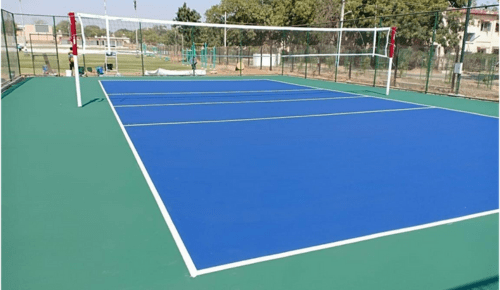
    4. Net System Installation: Proper placement of poles and net according to official volleyball court dimensions.

    Importance of Volleyball Court Measurement

    Accurate volleyball court measurement is crucial to ensure fairness and consistency in gameplay. Proper markings, net height adjustments, and uniform surface conditions contribute to a professional playing experience. Courts built to official specifications enhance player movement, ball control, and game flow.

    Conclusion

    A well-designed volleyball court incorporates standard volleyball court dimensions, high-quality volleyball court flooring, and expert volleyball court construction techniques. Accurate volleyball court measurement ensures compliance with international standards, providing an ideal playing surface for both recreational and professional use. The right choice of materials and expert construction contribute to long-lasting and high-performance courts.

  • Tennis Court Contractors: Your Guide to Professional Court Installation

    Tennis Court Contractors: Your Guide to Professional Court Installation

    Whether you’re planning a private tennis court or upgrading a recreational facility, hiring the right tennis court contractors is critical to achieving a durable and professional result. From design considerations to installation processes, expert contractors ensure your tennis court is functional, safe, and visually appealing.

    Why Choose Professional Tennis Court Contractors?

    1. Specialized Expertise
      Professional contractors bring years of experience in designing and constructing tennis courts that comply with industry standards. They ensure optimal court dimensions, drainage systems, and surfacing materials to suit your needs.
    2. Tailored Solutions
      A reputable contractor offers customized designs, from selecting the right surfacing materials to incorporating personalized court colors and features.
    3. Efficiency and Precision
      With access to advanced tools and methods, professional contractors complete installations efficiently while ensuring long-term durability.

    Key Considerations When Hiring Tennis Court Contractors

    • Experience in Court Construction: Look for contractors with a proven track record of successful tennis court installations.
    • Material Knowledge: Ensure they understand various surfaces like acrylic, clay, or synthetic grass to meet your preferences.
    • Licensing and Certification: Verify their credentials to confirm compliance with local regulations and safety standards.
    • Customer Reviews: Research reviews and testimonials to gauge the contractor’s reliability and quality.

    Tennis Court Installation Near Me: Finding the Right Fit

    Searching for a tennis court installation near me can yield numerous options, but not all contractors are equal. To make an informed choice:

    1. Request Site Evaluations
      Local contractors offer site assessments to evaluate the area’s suitability for a tennis court. This step helps in identifying potential challenges like uneven terrain or drainage issues.
    2. Compare Estimates
      Gather quotes from multiple contractors to balance cost and quality. Avoid lowball estimates that might compromise materials or craftsmanship.
    3. Assess Portfolio
      Review past projects to ensure the contractor has experience in handling installations similar to your requirements.
    4. Verify Maintenance Services
      Look for contractors who provide post-installation services such as resurfacing, crack repairs, and court cleaning for long-term maintenance.

    Benefits of Local Contractors

    Hiring local tennis court contractors provides several advantages:

    • Familiarity with Regional Conditions: Local experts understand weather and soil conditions, tailoring installations for maximum durability.
    • Quick Access for Maintenance: Nearby contractors can promptly address repair or maintenance needs.
    • Community Reputation: Local businesses often rely on word-of-mouth, ensuring they maintain high standards to protect their reputation.

    Conclusion

    Partnering with experienced tennis court contractors ensures a hassle-free installation process and a court that meets your expectations. Whether you’re searching for a tennis court installation near me for a residential project or a community facility, prioritizing quality and expertise will save you time, money, and effort in the long run.

    For exceptional tennis court installations, trust professionals who combine innovative designs with lasting quality. Ready to build your dream court? Start your journey with the right contractor today!

  • Unlocking the Secrets of Professional Tennis Court Builders

    Unlocking the Secrets of Professional Tennis Court Builders

    Tennis is a widely popular sport that attracts millions of players and spectators around the world. Behind every great tennis match lies the expertise of professional tennis court builders who ensure that the playing surface meets the highest standards. These skilled individuals possess a wealth of knowledge and experience in constructing tennis courts that provide optimal playing conditions for both recreational and professional players. In this article, we will unlock the secrets of professional tennis court builders, exploring the intricacies of their craft and the key elements they consider when creating these world-class sporting venues.

    Building a professional tennis court requires expertise in various fields, including civil engineering, architecture, and sports science. Professional tennis court builders possess a deep understanding of these disciplines, combining technical knowledge with practical experience to create surfaces that enhance player performance and safety.

    The Role of a Professional Tennis Court Builder

    A professional tennis court builder is responsible for overseeing every stage of court construction, from initial planning to final completion. Their role involves collaborating with architects, engineers, and clients to ensure that the court meets the desired specifications. They also consider factors such as location, climate, and budget to deliver a tennis court that exceeds expectations.

    Understanding Tennis Court Construction

    Tennis court construction is a meticulous process that involves several crucial steps. Let’s delve into each of these steps to gain insight into the secrets of professional tennis court builders.

    Site Selection and Preparation

    Before construction begins, the site for the tennis court must be carefully selected and prepared. Factors such as soil composition, drainage, and orientation are taken into account to optimize the playing conditions and minimize potential issues in the future.

    Court Layout and Dimensions

    The court layout and dimensions must adhere to specific regulations outlined by the International Tennis Federation (ITF). Professional tennis court builders meticulously measure and mark out the court to ensure accurate dimensions and proper placement of the net and other court elements.

    Foundation and Drainage

    The foundation of a tennis court is essential for maintaining structural integrity and preventing cracks or uneven surfaces. Professional builders employ various techniques to create a stable foundation, including compacting the soil and installing drainage systems to ensure proper water flow.

    Sub-base and Base Construction

    The sub-base and base layers provide stability and support to the court surface. Builders use high-quality materials such as crushed stone or asphalt to create a solid base that can withstand the constant foot traffic and impact from tennis play.

    Surfacing and Finishing

    The surfacing and finishing of the tennis court play a crucial role in determining the court’s performance characteristics. Different types of court surfaces, such as clay, grass, hardcourt, or synthetic materials, offer varying playing experiences. Professional builders carefully apply surfacing materials, ensuring proper adhesion and a smooth playing surface.

    Materials and Techniques Used

    Professional tennis court builders have a wide range of materials and techniques at their disposal. These choices significantly impact the performance, durability, and aesthetics of the court.

    Court Surfaces

    Each court surface has its unique characteristics, affecting factors like ball speed, bounce, and player movement. Builders consider factors such as maintenance requirements, climate suitability, and player preferences when selecting the most appropriate surface for a particular location.

    Court Accessories and Equipment

    In addition to the court surface, professional builders also incorporate various accessories and equipment to enhance player experience and safety. This includes the net, posts, fencing, lighting, seating, and other amenities that contribute to creating a complete tennis facility.

    Factors Affecting Performance and Safety

    Professional tennis court builders pay careful attention to factors that impact both the performance and safety of the players. Let’s explore some key elements they consider during the construction process.

    Surface Type and Speed

    The choice of court surface influences the speed of the game. Surfaces like grass provide faster gameplay, while clay courts offer slower ball speed. Builders work closely with clients and take into account the intended level of play to determine the most suitable surface type.

    Court Markings and Color

    Accurate court markings and color contrast are crucial for player visibility and line calls. Professional builders ensure that the court markings meet the regulations and provide optimum visibility for players, officials, and spectators.

    Lighting and Visibility

    Lighting plays a vital role in enabling evening and indoor tennis matches. Builders carefully design lighting systems that eliminate shadows and provide consistent visibility across the entire court, allowing players to perform at their best.

    Impact Absorption and Ball Response

    The surface’s impact absorption and ball response characteristics significantly impact player comfort and performance. Builders consider factors such as cushioning, grip, and bounce to ensure that the court provides a balance between player safety and a challenging playing experience.

    Maintaining and Upgrading Tennis Courts

    Even after the completion of construction, professional tennis court builders remain involved in the ongoing maintenance and potential upgrades of the court.

    Regular Maintenance Practices

    Proper maintenance is essential to preserve the court’s longevity and performance. Builders provide guidelines on routine maintenance practices such as cleaning, brushing, and crack repair to ensure the court remains in top condition.

    Resurfacing and Repairing

    Over time, tennis courts may require resurfacing or repairing due to wear and tear. Professional builders offer expertise in rejuvenating the court’s surface, addressing cracks, and restoring its original playing characteristics.

    Technological Advancements

    Professional tennis court builders stay abreast of technological advancements in court construction. They incorporate innovations such as advanced surface materials, irrigation systems, and data tracking technologies to enhance player experience and court performance.

    Environmental Considerations

    With increasing awareness of environmental sustainability, professional tennis court builders embrace eco-friendly practices and materials.

    Sustainable Practices

    Builders prioritize sustainable construction methods, including water conservation, energy-efficient lighting, and waste reduction. They aim to minimize the environmental impact of tennis court construction while creating a high-quality playing surface.

    Eco-Friendly Materials

    The use of eco-friendly materials, such as recycled asphalt or permeable surfaces, reduces the carbon footprint associated with tennis court construction. Builders explore innovative solutions that align with environmental goals without compromising performance. Professional tennis court builders possess the expertise and knowledge necessary to create exceptional tennis courts. Their understanding of court construction techniques, materials, and the factors influencing player performance and safety enables them to unlock the secrets to building world-class tennis facilities. Whether it’s designing the layout, selecting the surface, or incorporating sustainable practices, professional builders play a vital role in shaping the future of tennis.

  • 7 Benefits of Playing Sports in High School

    7 Benefits of Playing Sports in High School

    Improved Physical Health:

    Playing sports in high school can have a significant impact on a student’s physical health. Regular exercise can help them maintain a healthy weight, build muscle, and increase cardiovascular endurance. This can lead to improved overall health, a reduced risk of chronic diseases, and a boost in energy levels.

    Enhanced Mental Health:

    Engaging in sports can also have a positive impact on a student’s mental health. Exercise has been shown to reduce stress and anxiety, increase self-esteem, and boost mood. In addition, participating in team sports can provide a sense of belonging and social support, which can help reduce feelings of loneliness and depression.

    Improved Academic Performance:

    Research has shown that students who participate in sports tend to have higher academic achievement. This may be due to improved focus and time management skills, as well as the discipline and dedication required to balance sports and academics.

    Development of Leadership Skills:

    Sports provide opportunities for students to develop leadership skills, such as communication, decision-making, and teamwork. These skills can be valuable both on and off the field, and can help students become more confident and successful in their future endeavors.

    Opportunities for Scholarship and College Admissions:

    Playing sports in high school can also increase a student’s chances of receiving scholarships and being accepted into college. Many colleges and universities offer athletic scholarships, and participating in sports can demonstrate a student’s commitment, dedication, and ability to work well in a team.

    Opportunities for Travel and Competition:

    Students who participate in sports may have the opportunity to travel and compete against other teams from around the state, country, or even world. This can be a valuable experience that allows students to broaden their horizons and gain exposure to different cultures and ways of life.

    Lifelong Benefits:

    The benefits of playing sports in high school can extend well beyond graduation. Students who participate in sports are more likely to continue exercising and leading an active lifestyle as adults. They may also maintain friendships and connections with teammates, coaches, and other members of the sports community.

    In conclusion, playing sports in high school can have numerous benefits for students, including improved physical and mental health, academic performance, leadership skills, scholarship opportunities, travel and competition, and lifelong benefits. It is important for high schools to continue to promote and support sports programs, as they can have a positive impact on students’ overall well-being and success.

  • 5 Techniques for Perfecting Your Baseball Pitch

    5 Techniques for Perfecting Your Baseball Pitch

    5 Techniques for Perfecting Your Baseball Pitch

    Pitching is one of the most important aspects of baseball, and it’s crucial for any pitcher to have a solid understanding of the proper techniques to use on the mound. In this article, we’ll explore 5 techniques for perfecting your baseball pitch.

    Grip
    One of the most important aspects of pitching is the grip. The way you hold the ball can have a significant impact on the trajectory and speed of your pitch. Experiment with different grips, such as the four-seam fastball grip, the two-seam fastball grip, the curveball grip, and the changeup grip, to find the one that works best for you.

    Stance and Balance
    A good pitching stance and balance are essential for generating power and accuracy in your pitch. Your feet should be shoulder-width apart, with your throwing arm and leg slightly forward. Keep your weight on your back foot until you begin your motion, then shift it forward as you release the ball.

    Windup and Delivery
    The windup and delivery are critical aspects of a pitcher’s motion. Practice a consistent windup that allows you to generate power and momentum as you step forward with your front foot. As you deliver the pitch, focus on keeping your arm in the proper position, following through, and maintaining your balance.

    Velocity and Control
    Pitching is all about finding the right balance between velocity and control. Practice throwing with different levels of intensity to find the velocity that works best for you. Focus on maintaining your control and accuracy, even at higher speeds.

    Mental Toughness
    Pitching can be a mentally challenging position, and it’s essential to develop a strong mindset to stay focused and confident on the mound. Practice visualization techniques, such as imagining yourself successfully completing a pitch, and focus on staying calm and composed even in high-pressure situations.

    In conclusion, perfecting your baseball pitch requires a combination of technique, practice, and mental toughness. By focusing on your grip, stance and balance, windup and delivery, velocity and control, and mental toughness, you can develop the skills necessary to become a successful pitcher. Remember to practice regularly, listen to feedback from coaches and teammates, and stay committed to improving your skills.