
Key Points
Good water makes everyday life easier in ways we don’t always notice. It helps us prepare meals, wash clothes, take comfortable showers, and keep our homes running smoothly. But when water starts leaving mineral deposits on faucets or develops an unpleasant taste, those ordinary routines can become frustrating. And with so many treatment products and…
Good water makes everyday life easier in ways we don’t always notice. It helps us prepare meals, wash clothes, take comfortable showers, and keep our homes running smoothly. But when water starts leaving mineral deposits on faucets or develops an unpleasant taste, those ordinary routines can become frustrating. And with so many treatment products and service providers available, figuring out who to trust isn’t always straightforward.
Choosing a water treatment company involves more than comparing prices or picking the first name that appears in a search. You want a provider who listens to your concerns, explains the available options, and helps you understand what your home actually needs. A little research at the beginning can save time, money, and plenty of headaches later.
Start With the Water Problem, Not the Product
Before contacting a company, think about what you’ve noticed around your home. Are there white marks on glassware? Does soap seem difficult to rinse away? Has your drinking water developed a noticeable chlorine taste? These signs may point toward particular water-quality concerns, although they cannot confirm the cause on their own.
Hard water, for instance, contains elevated levels of calcium and magnesium. These minerals can contribute to scale buildup on fixtures and inside appliances. A water softener may help with that problem, but it won’t necessarily address taste, odor, sediment, or every dissolved contaminant.
Filtration systems serve different purposes. Activated carbon may improve certain tastes and odors, while sediment filters capture suspended particles. Reverse osmosis can reduce many dissolved substances when the system is designed and certified for the intended application.
The important thing is to avoid assuming that one product can solve every issue. Water testing can help establish which treatment methods are appropriate. Depending on the source and the concerns involved, testing may assess hardness, pH, or specific contaminants. Private well owners may need additional testing based on local public health recommendations.
Look for Clear Advice and Practical Recommendations
A dependable water treatment provider should be able to explain its recommendations in everyday language. You shouldn’t need to become a plumbing expert just to understand why a particular filter or softener has been suggested.
Ask what the water test revealed and which problem the proposed equipment is intended to address. Find out what results you can realistically expect, which contaminants the system has been evaluated to reduce, and whether additional treatment might be necessary.
Pay attention to how the answers are delivered. A company that takes time to explain both benefits and limitations is generally more useful than one that relies on dramatic claims or tries to rush you into a purchase. Water treatment isn’t a one-size-fits-all service, and honest advice should reflect that.
It is also worth asking about installation. Proper sizing, plumbing connections, water pressure, and equipment placement can all affect how well a system performs. A capable provider should be prepared to discuss these practical details before work begins.
Why Customer Feedback Deserves a Closer Look
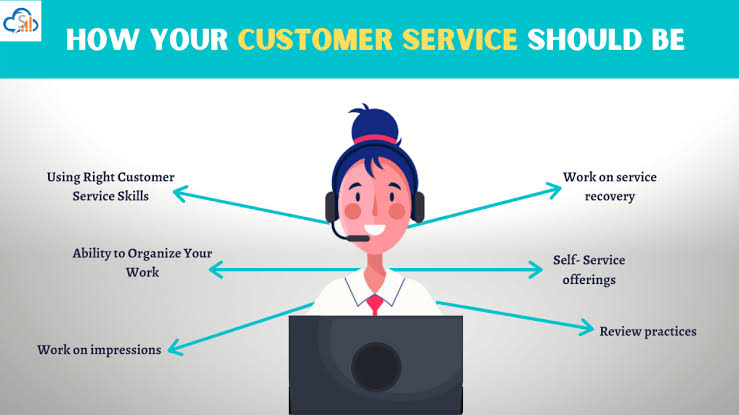
Online feedback can offer a helpful glimpse into other homeowners’ experiences. Reading customer reviews may reveal whether a company communicates clearly, arrives when expected, explains maintenance requirements, and responds when a problem occurs after installation.
Try not to focus on star ratings alone. Read a selection of recent reviews and look for recurring themes. Several customers mentioning clear explanations and reliable follow-up may provide more useful information than a collection of brief ratings without context.
Negative reviews can be informative, too. Every business may occasionally encounter a difficult situation, so one unhappy customer doesn’t necessarily tell the whole story. What matters is whether the complaint describes a recurring issue and how the company responds.
Look for comments about the full customer experience, not just the initial sale. A water treatment system may remain in a home for years, and replacement filters, servicing, and troubleshooting can become just as important as installation day.
You can also ask the provider for references or examples of similar work, where available. Combined with product documentation and a clear written estimate, this information can help you make a more balanced decision.
Confirm That the Company Serves Your Location
Even a highly regarded company may not provide installation or maintenance everywhere. Before scheduling a visit, verify the provider’s service area and ask whether technicians regularly work in your town or neighborhood.
This matters because ongoing support can be just as important as the initial installation. If a filter needs replacing or a softener develops a problem, you’ll want to know whether assistance is available without an inconvenient delay.
For homeowners in Florida, water conditions can vary between properties, even within the same broader region. Municipal supplies, private wells, household plumbing, and local conditions may all influence which treatment options make sense. A provider familiar with the area may understand common questions, but recommendations should still be based on your property’s water and test results rather than general assumptions.
Ask whether the company provides on-site testing, installation, scheduled maintenance, and emergency or follow-up service. These offerings differ between providers, so it is better to confirm them directly instead of assuming they’re included in every package.
If you already own a treatment system, explain its brand and model when making an inquiry. Some companies service only certain equipment, while others may support a wider range of products.
Understand the Full Cost Before You Commit
The purchase price is only one part of the cost of water treatment. Depending on the system, you may also need to budget for installation, replacement cartridges, salt, membrane changes, routine servicing, or electricity.
Ask for a written estimate that identifies the equipment being supplied and the work included. If the proposal contains several components, request a brief explanation of what each one does. That makes it easier to determine whether every component is necessary for your situation.
It is sensible to compare more than one estimate when the project is substantial. However, the cheapest offer isn’t always the best value. A low initial price may come with higher maintenance costs, limited parts availability, or features that don’t adequately address your water concerns.
Independent certification is another consideration. Depending on the treatment goal, look for verified performance claims from recognized certification organizations. Check the specific substances or functions covered; certification for improving taste doesn’t automatically mean a product is effective against every health-related contaminant.
If financing is offered, review the interest rate, fees, payment schedule, and total amount payable before agreeing. A sensible purchase should fit your household’s needs and budget without adding pressure to buy unnecessary upgrades.
Maintenance Should Be Part of the Conversation
A water treatment system needs regular care to continue performing as intended. Filters eventually reach their service limits, softeners may require salt, and reverse osmosis units need scheduled component replacements.
Before choosing a provider, ask how maintenance works after installation. Will you receive reminders? Are replacement parts readily available? Can the company explain which tasks you can handle yourself and which require a technician?
Keep a record of installation dates, service appointments, and water test results. If your water suddenly changes in taste, odor, color, or clarity, investigate the cause instead of assuming the treatment system will correct it. Private well owners should continue appropriate source testing even after equipment has been installed.
Good maintenance support isn’t an extra detail to consider later. It’s part of determining whether a treatment system will remain practical over time.
Ask Questions Before Taking the Next Step
Once you’ve compared providers and identified a likely solution, a short conversation can help clear up any remaining uncertainty. Prepare a few questions about the test results, installation process, maintenance schedule, and expected long-term costs.
When you’re ready to discuss your home’s needs, contact us to ask about available services, testing, or treatment options. Share the concerns you’ve noticed and any relevant water test results, if you have them. Clear information helps a provider understand what you’re looking for and explain which next steps may be appropriate.
You shouldn’t feel pressured to make a decision during the first conversation. Take time to review the estimate, compare the recommendations, and make sure you understand what is included.
Choose Confidence Over Complicated Promises
Finding the right water treatment company comes down to a few practical things: sound advice, suitable equipment, transparent pricing, and reliable support after installation. Start with your water quality, ask questions, and pay attention to how each provider responds.
The best solution isn’t necessarily the most expensive or the most technologically advanced. It’s the one that addresses your actual concerns and can be maintained without unnecessary hassle. With a little research and a thoughtful approach, you can make a confident decision and enjoy a more dependable water treatment experience at home.
Related Posts
Keeping Industrial Water Systems Reliable With the Right Technical Expertise
Water plays a bigger role in business operations than many people realize. It…
Finding the Right Water Treatment Solution for Your Home and Everyday Needs
Water problems don’t always announce themselves in obvious ways. Sometimes it’s the chalky…

When Your Home Needs Better Water: Understanding Whole-House Water Treatment
Water has a funny way of becoming invisible in our routines. We use…
