
Key Points
Water plays a bigger role in business operations than many people realize. It runs through cooling equipment, supports cleaning processes, protects machinery from excessive scale buildup, and helps maintain consistent product quality. When water problems appear, the consequences can spread quickly, affecting equipment performance, operating costs, and even customer satisfaction. That’s why choosing the right…
Water plays a bigger role in business operations than many people realize. It runs through cooling equipment, supports cleaning processes, protects machinery from excessive scale buildup, and helps maintain consistent product quality. When water problems appear, the consequences can spread quickly, affecting equipment performance, operating costs, and even customer satisfaction. That’s why choosing the right water treatment professionals matters.
For businesses that depend on reliable water systems, technical expertise is more than a convenient extra. It can make the difference between a small maintenance issue and an expensive operational headache. Understanding what qualified service providers bring to the table helps business owners make better decisions about water treatment, equipment maintenance, and long-term system performance.
Why Industrial Water Treatment Deserves More Attention
Water quality varies considerably from one location to another. Some facilities deal with hard water that leaves mineral deposits inside pipes and machinery. Others face sediment, unpleasant odors, or dissolved substances that interfere with specific processes. Without suitable treatment, these problems can gradually reduce efficiency.
In industrial facilities, the impact can be particularly noticeable. Scale buildup may restrict water flow, reduce heat-transfer efficiency, and increase energy consumption. Poor filtration can allow particles to enter sensitive equipment, while unsuitable water chemistry may contribute to corrosion or inconsistent production results.
The trouble is that water-related problems don’t always announce themselves dramatically. Sometimes, the first sign is a slightly higher utility bill. In other cases, equipment needs repairs more often than expected, or cleaning takes longer than it used to. Regular water testing and appropriate treatment can help businesses identify these issues before they become costly disruptions.
Experience Matters When Selecting a Service Provider
Water treatment equipment isn’t a one-size-fits-all purchase. A system that works perfectly for a small office may be entirely unsuitable for a manufacturing plant, hotel, or large commercial kitchen. Water demand, incoming water quality, operating schedules, and the nature of the business all influence which solution makes sense.
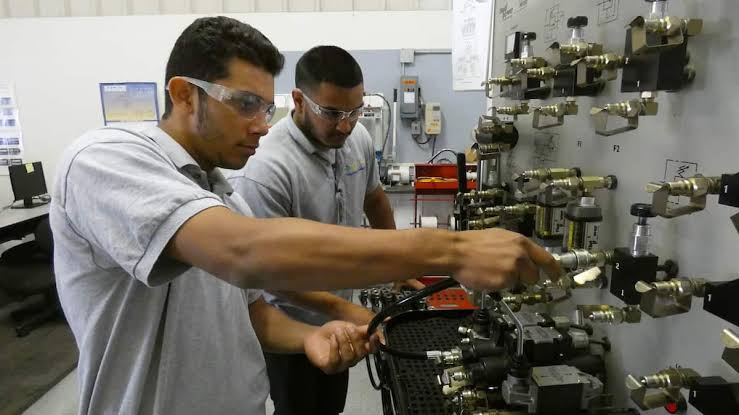
This is where experienced service professionals become valuable. Rather than immediately recommending equipment, a capable provider should begin by understanding the property’s needs. That may involve reviewing water usage, checking existing plumbing, testing water samples, and identifying the problems the business actually wants to solve.
Working with commercial-trained professionals can also help businesses avoid unnecessary equipment upgrades. Sometimes, the existing system needs better maintenance or a few adjustments rather than complete replacement. A thoughtful assessment helps clarify the options and makes it easier to compare costs, expected benefits, and ongoing responsibilities.
Of course, experience should be supported by clear communication. Business owners need straightforward explanations, not a confusing collection of technical terms. A good technician should be able to explain what is happening, why a particular treatment method is recommended, and what the business can reasonably expect after installation.
The Importance of Qualified Installation
Even high-quality water treatment equipment can underperform when it’s installed incorrectly. Poor connections, unsuitable system sizing, incorrect settings, or inadequate drainage can create problems that weren’t present before the installation.
Professional installation begins with choosing equipment that matches the actual demand. A business with fluctuating water consumption, for example, may need a different configuration from a facility that uses water continuously throughout the day. The system must also fit the available space and work properly with existing infrastructure.
Qualified technicians should check the installation carefully, confirm that controls operate as intended, and explain any essential operating procedures. They should also make sure the business understands routine maintenance requirements, including filter replacement, salt replenishment where applicable, and periodic performance checks.
For businesses seeking dependable support, factory-certified technicians can offer an additional level of confidence when their certification relates to the equipment being serviced. Manufacturer-specific training may help technicians understand system settings, approved replacement components, troubleshooting procedures, and recommended maintenance practices.
Still, certification isn’t the only consideration. Businesses should also verify relevant licenses where required, insurance coverage, service experience, and the provider’s willingness to explain the work being performed.
Maintenance Is What Keeps Performance Consistent
Installing a treatment system is only the beginning. Filters become clogged, components wear down, and settings may need adjustment as water demand changes. Even a well-designed system can lose effectiveness when routine maintenance is overlooked.
A practical maintenance schedule helps prevent small issues from developing into larger failures. Depending on the equipment, this may include inspecting valves, checking pressure levels, replacing filters, cleaning components, testing treated water, and examining signs of leakage or mineral buildup.
The right schedule depends on the system and how heavily it’s used. A busy production facility may require more frequent inspections than a small office with modest water consumption. Following the manufacturer’s recommendations is a sensible starting point, with adjustments based on actual operating conditions.
Preventive maintenance also makes budgeting easier. Planned inspections and scheduled component replacements are generally simpler to manage than unexpected repairs that interrupt daily operations. Businesses should ask service providers for a written maintenance plan that identifies recommended visits, likely replacement costs, and any tasks employees can safely handle themselves.
Clear Pricing and Responsive Support
Technical ability matters, but so does the experience of working with a service company. A provider may understand the equipment exceptionally well, yet still be a poor fit if appointments are unreliable or costs remain unclear.
Before agreeing to a service contract, businesses should ask what the quoted price includes. Does it cover labor, replacement parts, routine inspections, or emergency visits? Are consumables charged separately? Is there an additional fee for after-hours support?
These questions may seem ordinary, but they can prevent misunderstandings later. It’s also worth discussing response times. For operations that depend on continuous water availability, a delayed repair could affect production schedules or customer service.
Look for a provider that offers realistic commitments and communicates promptly when circumstances change. Nobody can guarantee that equipment will never fail. What matters is having a sensible plan for identifying problems, arranging repairs, and restoring normal operation as efficiently as possible.
Choosing a Solution That Works for the Long Term
The lowest initial price isn’t always the most economical option. An inexpensive system may require frequent servicing, consume more resources than necessary, or struggle to handle peak demand. On the other hand, buying a larger, more complicated system than the business needs can create unnecessary expense.
A better approach is to consider the total cost of ownership. That includes purchase and installation costs, water and energy consumption, replacement components, maintenance, and the potential cost of downtime. Reliable performance and straightforward servicing should be part of the comparison, not afterthoughts.
It’s also wise to review whether the provider can support future changes. Businesses grow, equipment gets upgraded, and water requirements evolve. A service partner who understands the original installation and keeps useful maintenance records can make those transitions much easier.
Reliable Water Starts With the Right People
Good water treatment isn’t simply about buying a filter or installing a softener. It’s about understanding the water, selecting suitable equipment, installing it correctly, and maintaining performance over time.
Businesses that invest in qualified technical support are better positioned to protect equipment, manage operating expenses, and reduce avoidable interruptions. Start by asking practical questions, checking credentials, and requesting recommendations based on actual water conditions rather than assumptions.
Ultimately, the best service provider is one who treats your operation as more than another installation job. They listen, explain the options honestly, and help build a maintenance strategy that makes sense for your business today and as it grows.
Related Posts
Finding the Right Water Treatment Solution for Your Home and Everyday Needs
Water problems don’t always announce themselves in obvious ways. Sometimes it’s the chalky…
Finding a Water Treatment Company You Can Feel Confident About
Good water makes everyday life easier in ways we don’t always notice. It…
When Your Home Needs Better Water: Understanding Whole-House Water Treatment
Water has a funny way of becoming invisible in our routines. We use…
