
Key Points
Most people notice their water only when something seems wrong. Perhaps the shower leaves a chalky film on the glass, the laundry feels rough after washing, or the kettle develops a stubborn white coating that returns a few days after cleaning. These small annoyances are easy to dismiss, but they can sometimes point to a…
Most people notice their water only when something seems wrong. Perhaps the shower leaves a chalky film on the glass, the laundry feels rough after washing, or the kettle develops a stubborn white coating that returns a few days after cleaning. These small annoyances are easy to dismiss, but they can sometimes point to a water quality issue worth understanding.
Water travels a long way before reaching the kitchen tap. Along the way, it may contain naturally occurring minerals, disinfectants used during treatment, or other substances influenced by the local environment and plumbing system. Many of these are harmless at typical concentrations, while others can affect taste, cleaning performance, plumbing, or health.
Understanding what’s in your water helps you make better decisions about maintenance and treatment. It also prevents unnecessary spending on products that promise a lot but don’t address the actual problem.
Recognizing the Signs of Water Quality Problems
Not every change in water is a reason to panic, but unusual patterns deserve attention. White deposits around faucets may indicate hard water, while orange or brown stains can sometimes be associated with iron. A strong chlorine taste may be noticeable in treated municipal water, and cloudy water might result from harmless air bubbles or suspended particles.
These symptoms can be frustrating, especially when they keep returning despite regular cleaning. Still, appearance and taste alone cannot determine whether water is safe to drink. Some harmful contaminants have no noticeable smell, color, or flavor.
Recurring water quality concerns should be investigated rather than handled through guesswork. Homeowners using municipal supplies can review their water provider’s quality report and contact the utility about sudden changes. Those relying on private wells should arrange appropriate laboratory testing, following local public health recommendations.
Testing may assess hardness, pH, iron, manganese, bacteria, nitrate, or other substances depending on the water source and suspected risks. The right test is important because a basic screening may not detect every contaminant that matters.
Once you know what’s present, you can choose a solution based on evidence. Sometimes the answer is a simple filter. In other cases, the issue may involve plumbing corrosion, a leaking pipe, or a treatment requirement that needs professional attention.
Why Hard Water Can Be Hard on Household Equipment
Hard water contains dissolved calcium and magnesium. These minerals occur naturally as water passes through certain rocks and soil. Although they’re not generally considered harmful at typical drinking-water concentrations, they can create practical problems around the house.
One of the most familiar signs is scale, the chalky deposit that forms on showerheads, kettles, and faucets. Hard water can also make soap less effective, leave spots on dishes, and contribute to residue on laundry. Many homeowners respond by using extra detergent or cleaning products, but that doesn’t always address the source of the problem.
Mineral deposits can also accumulate inside household appliances that use or heat water. Dishwashers, washing machines, coffee makers, and water heaters may all be affected, depending on their design and the hardness of the supply.
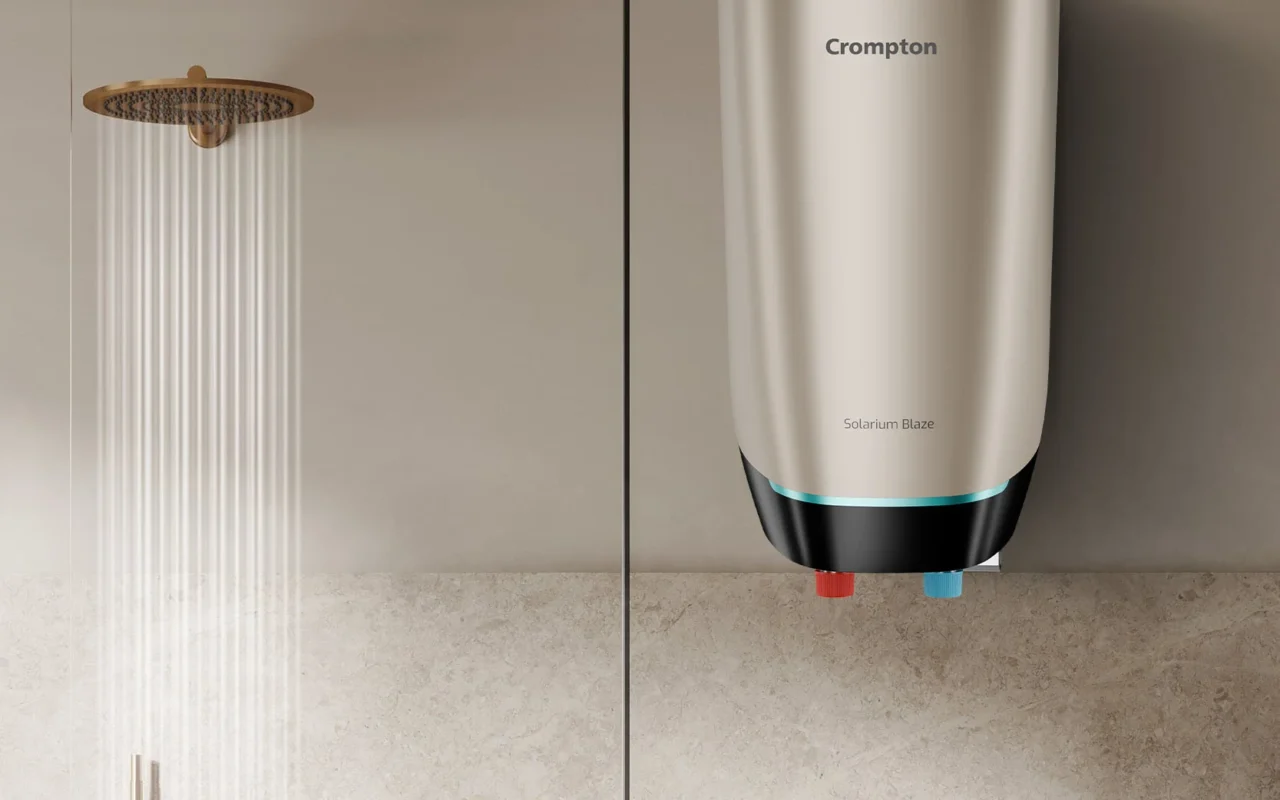
Heating equipment deserves particular attention. When hard water is heated, certain minerals can form scale on internal surfaces. Over time, this may interfere with heat transfer, increase maintenance needs, or contribute to reduced efficiency. The extent of the effect varies, so not every appliance in a hard-water home will experience the same problems.
A water softener can help when hardness is the main issue. Conventional ion-exchange systems reduce calcium and magnesium, which can limit new hardness-related deposits. However, a softener doesn’t remove every contaminant, and it may not be necessary in homes where hardness is relatively low.
Testing the water first makes it easier to decide whether treatment is worthwhile.
Keeping Water Heaters in Good Condition
Few household problems are as inconvenient as losing hot water unexpectedly. It affects showers, washing dishes, laundry, and sometimes even essential cleaning tasks. While equipment age and mechanical faults are common reasons for failure, water conditions can influence maintenance needs too.
Hard water can encourage mineral deposits inside water heaters, particularly where water is heated regularly. Sediment may collect at the bottom of some storage tanks, while scale can develop on heating surfaces. Depending on the system, these deposits may contribute to noise, slower heating, or reduced efficiency.
That doesn’t mean every rumbling water heater needs a water softener. Noise can have several causes, and an older unit may need inspection for reasons unrelated to water hardness. A qualified technician can assess the equipment and recommend suitable maintenance.
Homeowners should follow the manufacturer’s instructions rather than assuming all water heaters require the same service routine. Some models have specific flushing or inspection requirements, while others need different care. Gas and electric systems also present safety considerations, so unfamiliar maintenance tasks are best left to a professional.
Pay attention to warning signs such as leaking connections, rusty-looking hot water, unusual noises, or inconsistent temperatures. A small problem identified early may be easier and less expensive to resolve than a major failure.
Choosing Water Treatment That Solves the Right Problem
Water treatment isn’t a one-size-fits-all purchase. Different technologies address different concerns, and selecting the wrong one can leave the original issue unresolved.
For example, sediment filters can trap suspended particles, while activated carbon filters may reduce chlorine taste and odor. Reverse osmosis systems can reduce many dissolved substances, depending on their design and certification. Ultraviolet treatment can inactivate certain microorganisms when properly installed and maintained, but it doesn’t remove dissolved chemicals or minerals.
A water softener primarily addresses hardness. If testing reveals bacteria in a private well, a softener alone won’t make the water microbiologically safe. Similarly, a filter designed to improve taste shouldn’t be assumed to remove contaminants it hasn’t been tested to reduce.
Before buying equipment, ask a few straightforward questions. What specific problem will this system address? Is its performance independently certified for the contaminant of concern? How often will filters or other components need replacement? Will installation affect water pressure, require extra plumbing, or create wastewater?
A reputable water treatment professional should explain these details clearly. Be cautious of sales pitches that rely on alarming demonstrations or claim that one system removes absolutely everything from water.
Everyday Habits That Make a Difference
Treatment equipment works best when combined with sensible maintenance. Clean faucet aerators and showerheads when deposits appear, replace filters according to their instructions, and investigate leaks instead of allowing them to continue unnoticed.
If your home uses a private well, maintain a regular testing schedule even if the water looks and tastes normal. Groundwater conditions can change, and treatment equipment doesn’t eliminate the need to monitor water quality.
It’s also helpful to keep records of test results, filter replacements, plumbing repairs, and equipment servicing. These details can reveal patterns over time. For instance, a recurring stain may suggest that a filter needs attention or that the treatment system isn’t suited to the current water conditions.
Don’t overlook sudden changes. Water that becomes discolored, develops an unusual odor, or changes noticeably in taste should be investigated. Contact your water supplier if you’re on a public system, or seek appropriate testing if you rely on a well. If contamination is suspected, follow local public health guidance about whether the water is safe to drink or use for cooking.
Making a Better Choice for Your Home
Good water management doesn’t require buying the most expensive equipment or treating every possible problem at once. It starts with understanding your water source, identifying the issues that matter, and choosing a practical response.
For some households, that might mean installing a softener to reduce mineral deposits. Others may benefit from a drinking-water filter or repairs to aging plumbing. Sometimes, the most useful first step is simply arranging a reliable water test.
Water affects more of daily life than we often realize, from the comfort of a shower to the performance of a washing machine. Paying attention to its quality can help you maintain equipment, avoid unnecessary expenses, and make informed decisions about treatment. A little investigation today can prevent plenty of frustration tomorrow.
Related Posts
Keeping Industrial Water Systems Reliable With the Right Technical Expertise
Water plays a bigger role in business operations than many people realize. It…
Finding the Right Water Treatment Solution for Your Home and Everyday Needs
Water problems don’t always announce themselves in obvious ways. Sometimes it’s the chalky…

Finding a Water Treatment Company You Can Feel Confident About
Good water makes everyday life easier in ways we don’t always notice. It…
